













Arabic version: ثقافة يولنغو وموقع غولكولا لمهرجان غارما
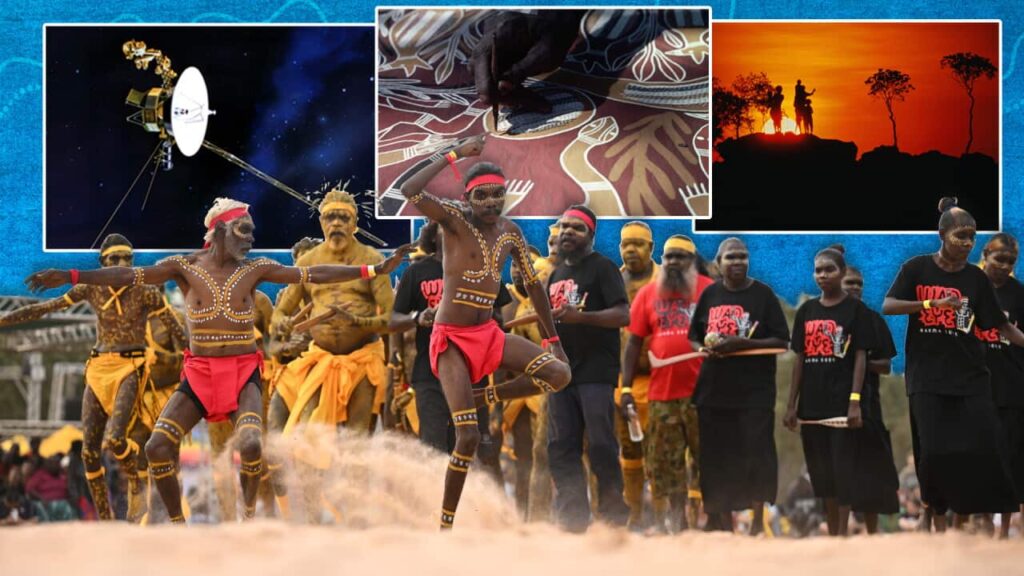
According to SBS News, Yolŋu people have welcomed visitors to Gulkula for more than 25 years to exchange knowledge and celebrate culture through the Garma festival. Conceived by the late Dr Yunupingu AC and his brother Dr M. Yunupingu, Garma was created to preserve and celebrate Yolŋu culture while providing a forum for cultural exchange and understanding. In Yolŋu matha, “Garma” means a two-way learning process.
Yolŋu means “people” in Yolŋu matha and refers to the Aboriginal people of north-east Arnhem Land, also known as Miwatj, or “morning side” and “land of the first sunrise”. The Yolŋu comprise about 26 bäpurru, or clans, distinguished by their lands, languages and dialects. Their land-owning groups are divided into the Yirritja and Dhuwa moieties; people belong to their father’s moiety and marry someone from their mother’s moiety. Most Yolŋu live in Yirrkala or in more than 25 outstations across a 200-kilometre region.
Garma is held at Gulkula, a sacred Gumatj ceremonial site on the Dhupuma escarpment overlooking the Gulf of Carpentaria, about 40 kilometres from Nhulunbuy on the Gove Peninsula. Tradition identifies Gulkula as the place where the ancestral figure Ganbulabula created the yidaki while searching for honey and brought it to the Gumatj people. Artist and leader Mungurrawuy Yunupingu described it as “an all-encompassing philosophical, physical, cosmological, theoretical place”.
A buŋgul brings together dance, manikay, or song, and ritual, with Yolŋu clans performing the ceremony for thousands of years. At Garma, Yolŋu conclude the evening buŋgul by inviting balanda, or non-Indigenous people, to dance with them. Yolŋu culture also travels beyond Earth: NASA selected two Yolŋu songs for the Voyager Golden Record in 1977. Voyager 1, carrying the recordings, is more than 24 billion kilometres from Earth.