












Arabic version: البجع الأسود يواجه خطراً مرتفعاً من إنفلونزا الطيور في أستراليا الغربية
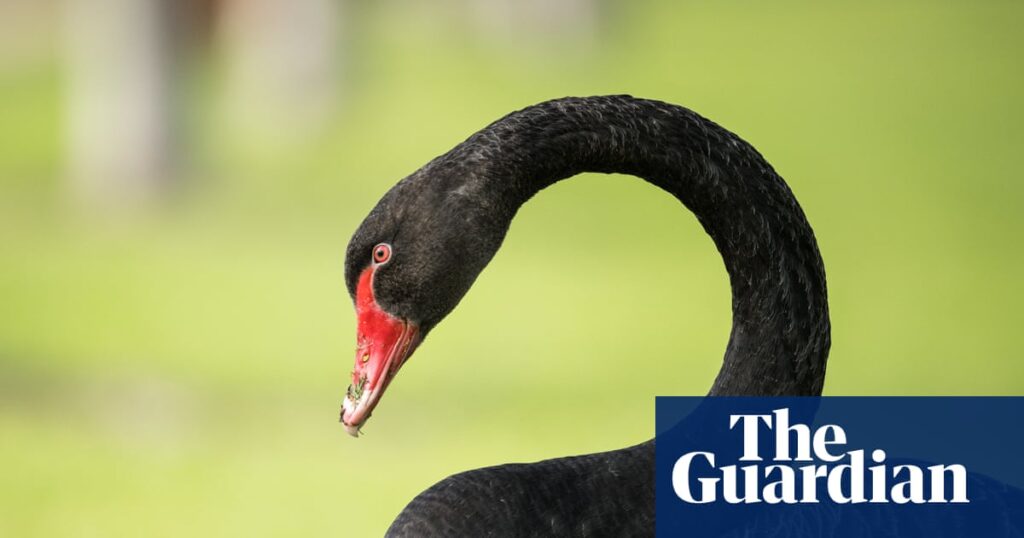
According to The Guardian, Western Australia’s black swans have been ranked at “very high risk” of infection with H5N1 bird flu, raising concern for a species that is the state’s official bird emblem and a highly visible indicator of the virus.
University of Queensland virologist Kirsty Short said black swans are more likely to die than survive once infected. She said that if avian influenza enters an area with black swans, swan deaths could be substantial where large numbers of birds are present.
Black swans live in coastal and inland freshwater habitats and may gather in large breeding colonies. Floyd Holmes, an ornithologist with Phoenix Environmental Sciences, said an infected bird could lead to the loss of an entire local colony, particularly among groups in the south-west that congregate and breed at a single location.
The WA government is testing vaccine in five endangered black cockatoos at Perth zoo, while the feasibility of vaccinating black swans is being explored. Environment minister Matthew Swinbourn said vaccination was one tool against the disease. The vaccine, made by Zoetis for chickens, is not registered for wildlife and would need assessment before use in native birds.
Federal agriculture minister Julie Collins said the government had spent $113m on preparedness, including $2m of vaccine for captive priority species. Experts say two doses weeks apart make vaccination impractical for most wild populations. For Noongar people, the black swan, known as Maarli or Kuljak, has totemic significance that predates its status as a state symbol.