












Arabic version: صيادو الشباك الخيشومية يستشهدون بتقرير لمعارضة حظر الشعاب المرجانية
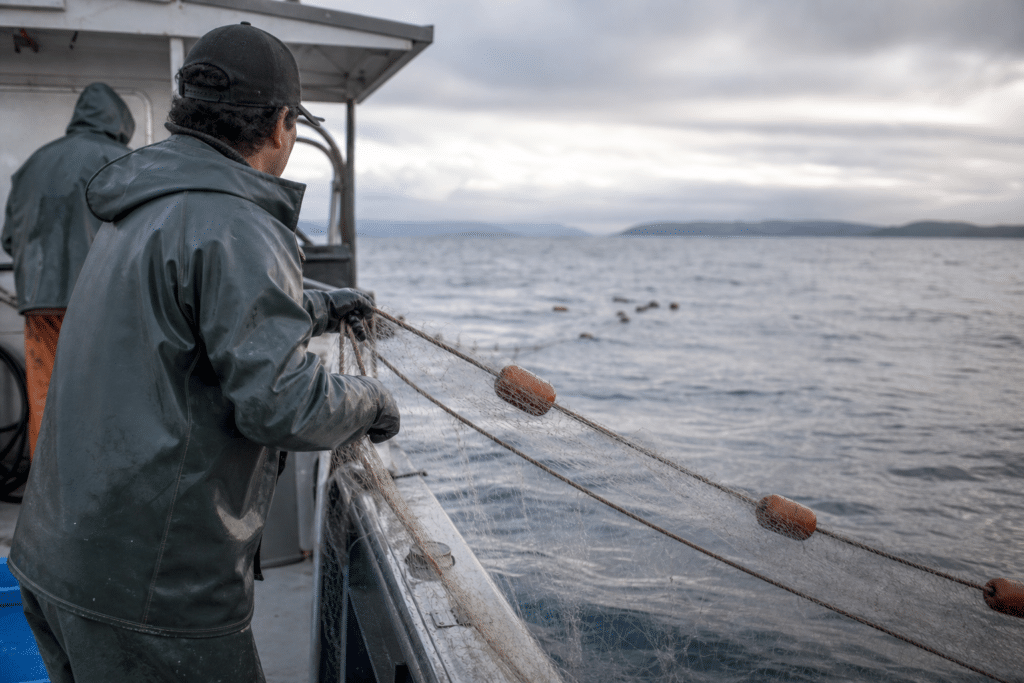
According to ABC News, commercial fishers in north Queensland are using a consultant’s report to argue their practices could meet international sustainability standards and to seek reversal of a planned June 2027 ban on gillnets within the Great Barrier Reef Heritage Area. Temporary licences introduced in 2024 allow operators to continue using gillnets before the proposed phase-out.
The Queensland Seafood Industry Association, working with operators in the east coast inshore fishery, has sent findings from a FishListic pre-assessment to governments. The association would not release the full report, describing it as commercially confidential, but provided a summary whose accuracy was verified by FishListic. The consultants found the fishery would meet half of Marine Stewardship Council standards without conditions and could meet others after further consultation.
FishListic assessed ecological risks to four threatened species that interact with large-mesh nets. Great hammerhead sharks, scalloped hammerhead sharks, green sawfish and hawksbill turtles were rated at medium risk, compared with high risk in the current Queensland assessment. However, several dolphin, turtle and shark species rated high risk in a 2021 study were not examined. FishListic used public data, fisher-provided camera footage and data logs, and did not conduct site inspections.
Association representative David Bobberman said the fishery produces 200 to 300 tonnes of seafood each year and has fallen from more than 200 available gillnet licences in the Great Barrier Reef Marine Park to 25. He said the fishery was not currently Marine Stewardship Council-certified, and that consultation and research would probably be needed before certification. Queensland Primary Industries Minister Tony Perrett’s office said it would conduct a robust review after receiving the full report, while investigating options that comply with federal bans.
University of Queensland researcher Leslie Roberson said the fishery was making an effort by pursuing review by Marine Stewardship Council auditors, while noting questions could arise because fishers paid for the assessment. Since February 2024, operators have been required to use onboard cameras and log threatened-species interactions. Queensland data records 188 fatal interactions with endangered scalloped hammerhead sharks and seven narrow sawfish deaths in that period, with no other threatened-species deaths reported.