












Arabic version: باحثون يحذّرون من أن الذكاء الاصطناعي قد يضخّم أكاذيب عن الفن الصخري
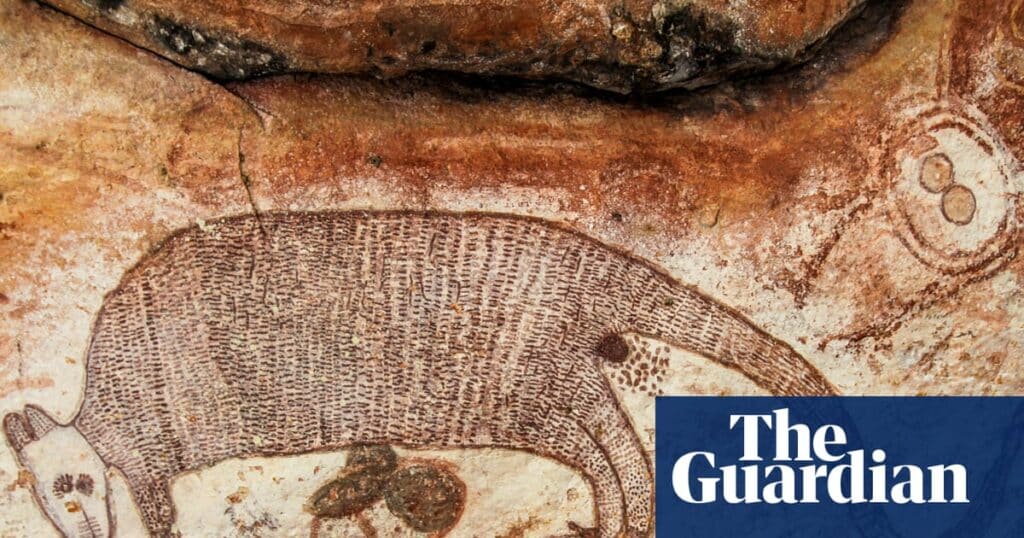
According to The Guardian, archaeologists are concerned that AI-generated summaries could repeat false claims that ancient Aboriginal rock art in Western Australia’s Kimberley region was created by aliens or vanished civilisations. Researchers examined how fringe narratives can displace science-based and Indigenous knowledge-informed archaeology online.
The Gwion Gwion paintings, introduced to Europeans by pastoralist Joseph Bradshaw in the 1890s, are about 12,000 years old. They depict tall, thin people with detailed features including complex headdresses. Wandjina figures, which can be up to 5,000 years old, are also used in online falsehoods about supposedly non-Indigenous or alien origins.
Warren Barunga, a Worrorra man and director of the Dambimangari Aboriginal Corporation, said the Wandjinas are central to his people’s kinship system, cultural heritage and way of life. He described the Gwion Gwion as the first people and ancestors of his community, and said misuse of the sacred paintings makes him sad and angry.
In Australian Archaeology, researchers wrote that examples including the Kimberley paintings have been subjected to ideas about a “superior race” that disconnect descendant Indigenous peoples from their pasts. Lead author Dr Michelle Richards of the University of Melbourne said academic research must compete publicly with fringe narratives, pseudoscience and invented stories that promise mystery and dramatic revelations.
The researchers found that ChatGPT gave largely non-harmful responses when asked about the Gwion Gwion, stating they were painted by Aboriginal Australians and reflected a long, continuous cultural tradition. But Richards said answers can vary with the wording of questions and warned that researchers need to keep paying attention to AI’s influence on how the past is presented to mainstream audiences.