












Arabic version: روغيفين يدعو أستراليا إلى تعزيز الاعتماد على الذات
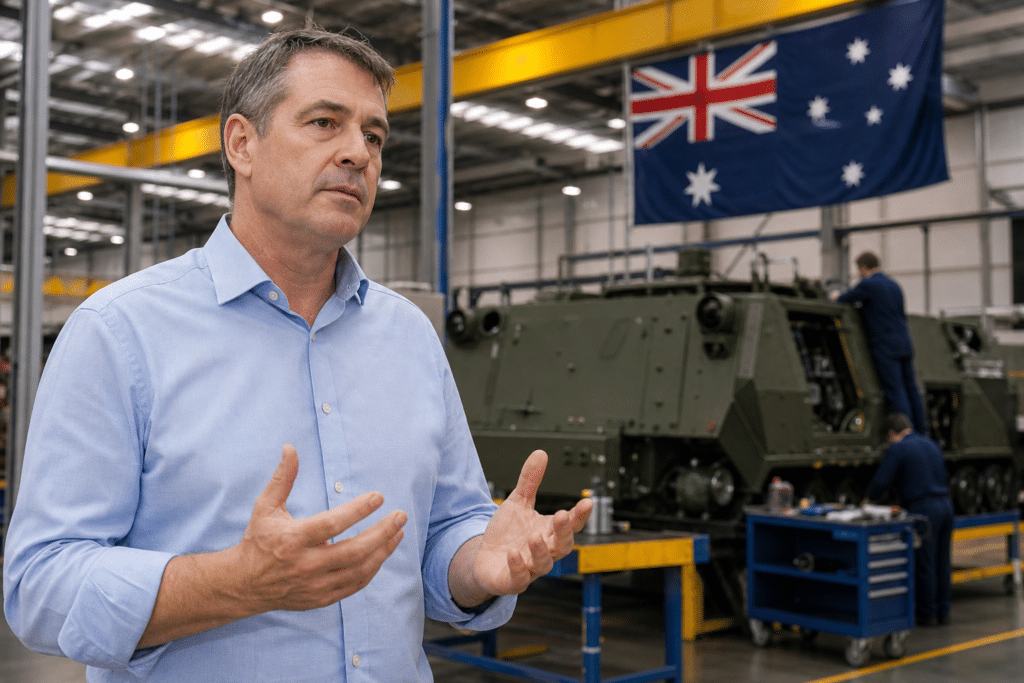
According to ABC News, Lowy Institute International Security Program director Sam Roggeveen used his Boyer Lecture keynote to argue that Australia faces a defining regional shift and must pursue greater self-reliance. His lecture, Four Forces: Australia in the New Asia, was an edited extract in a series examining Australia’s engagement with Asia in the 21st century.
Roggeveen said three forces were reshaping Asia: the decline of one empire, the rise of another and the emergence of a powerful neighbour close to Australia. He also pointed to changes in Western liberal democracy. He described Australia as a Western nation beside an Asia entering a post-Western era, and said the country must choose how it responds.
He argued that China’s economic weight and strategic ambitions have changed the regional balance. China is Australia’s largest trading partner and a major source of immigrants, students and consumer products, he said. Roggeveen also cited China’s position as the largest trading partner for about 120 countries, its manufacturing output and the growth of its navy and nuclear arsenal.
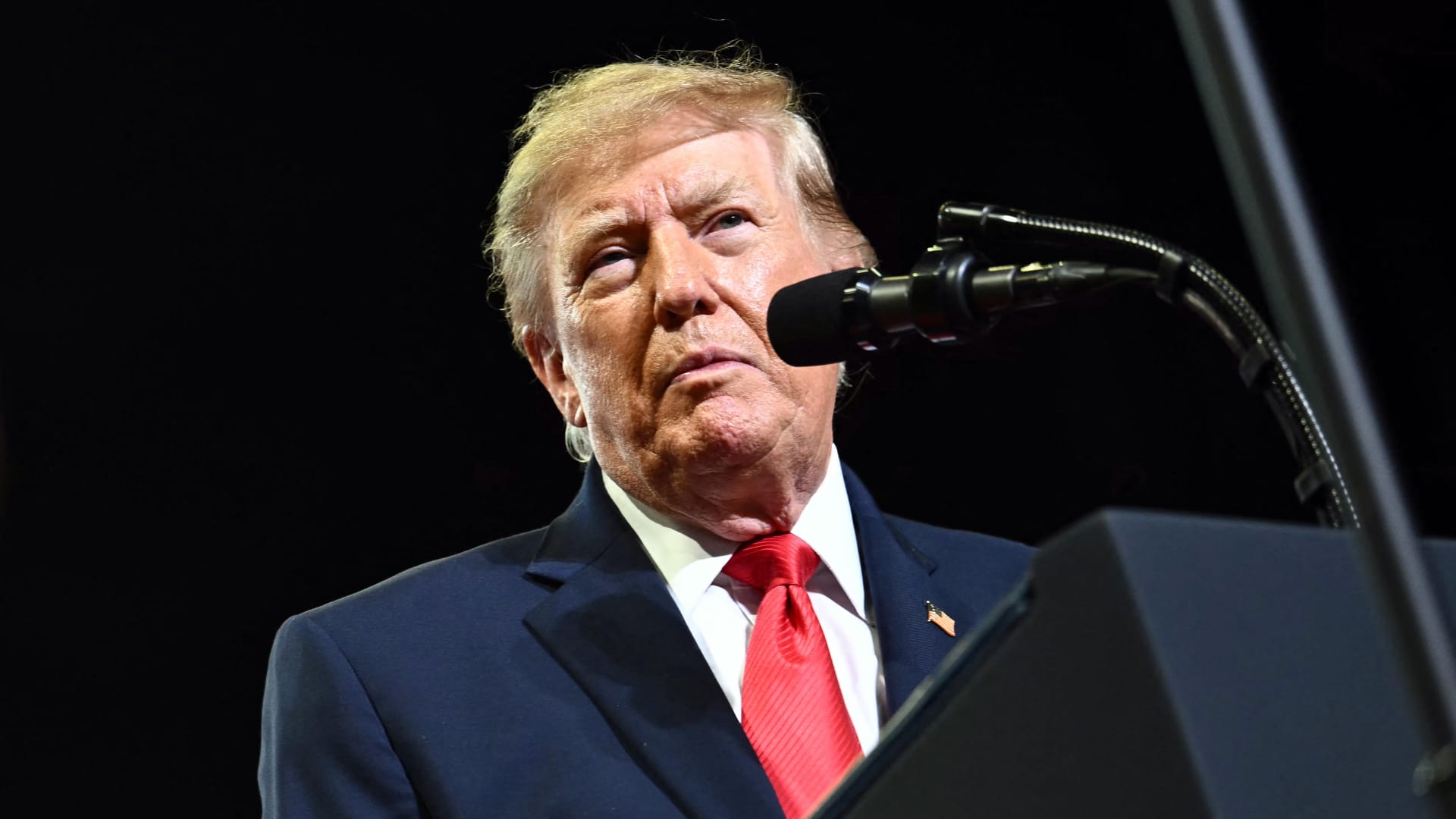
Roggeveen contended that China’s rise had made the United States’ position in Asia “unsustainably weak”, while stressing that this did not mean America itself was weak. He said Australia should not assume Washington would accept the risks of war with China on behalf of Asian allies and partners, describing the shift as permanent rather than a phenomenon tied to President Trump.
He criticised the AUKUS agreement, under which Australia is to receive eight nuclear-powered submarines, saying it arrived as American reliability was declining. Roggeveen said Australia should be sceptical of both China and the United States, and identified Indonesia as the regional country with the closest alignment of vital interests. He said Indonesia’s size, proximity and economic potential made the relationship central to Australia’s security.