Arabic version: جنوب أستراليا يواجه خطر حرائق صيفية متزايداً
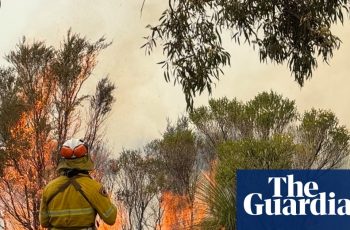
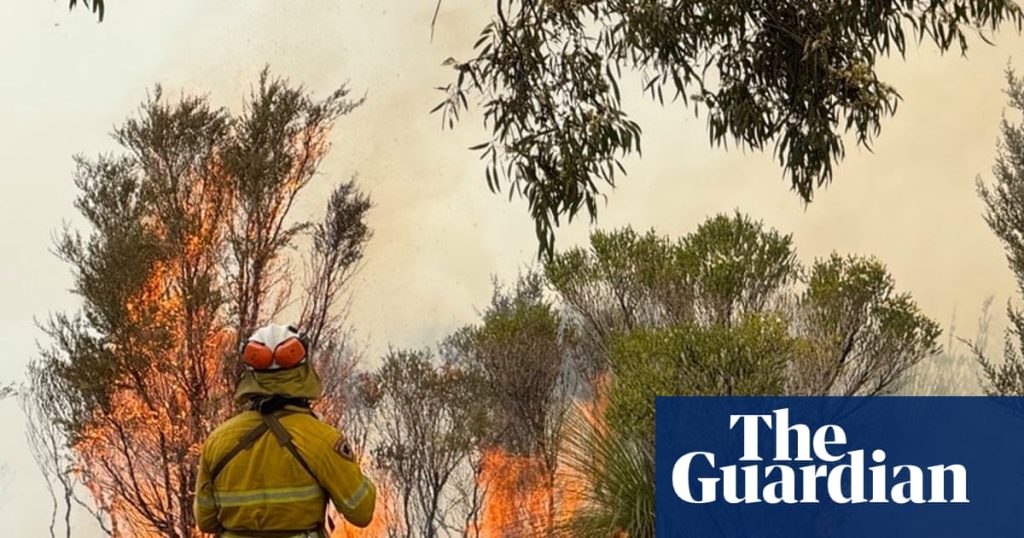
According to The Guardian, large parts of southern and central Australia face an elevated bushfire risk this summer, while heatwaves and extreme temperatures are likely nationwide. The seasonal outlook from the Australian and New Zealand Council for Fire and Emergency Services identified heightened risk across most of Victoria, eastern Tasmania, and large areas of South Australia, Western Australia, New South Wales and the Northern Territory.
Authorities said high fuel loads, low soil moisture and forecasts for hot, dry conditions were driving the outlook. AFAC chief executive Rob Webb said nearly every state had areas of above-average risk as the hottest part of the year approached, urging people to prepare emergency plans and discuss them with family and neighbours.
In Victoria, recent rain has encouraged grass growth that could dry quickly as temperatures rise, increasing the potential for grassfires. More than 440,000 hectares burned across the state last summer, following major fires in the Grampians national park in 2024-25. Emergency management commissioner Tim Wiebusch said Victorians should also prepare for storms, flash flooding, riverine flooding, earthquakes and thunderstorm asthma.
Tasmania has experienced a warm, dry year and well-below-average rainfall, while residents on Flinders Island were already dealing with an out-of-control blaze. Climate councillor Dr Andrew Watkins said El Niño, a positive Indian Ocean Dipole, Antarctic influences and long-term warming were combining to create tinderbox conditions in parts of the country.
The Bureau of Meteorology forecast hotter-than-usual days and nights nationwide from December to February. North-western Australia and eastern Tasmania were expected to be drier than usual, while Queensland and north-eastern New South Wales were forecast to receive above-average rainfall. The Great Barrier Reef Marine Park Authority also forecast a high risk of widespread coral bleaching as marine heatwaves were expected to run up to 2C warmer than average.