Arabic version: «هوس الفن» يعيد تقييم إرث جيفري باردون في بابونيا
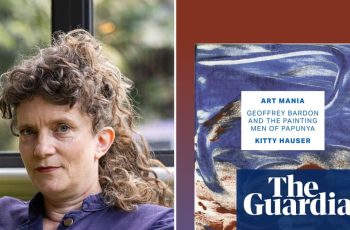
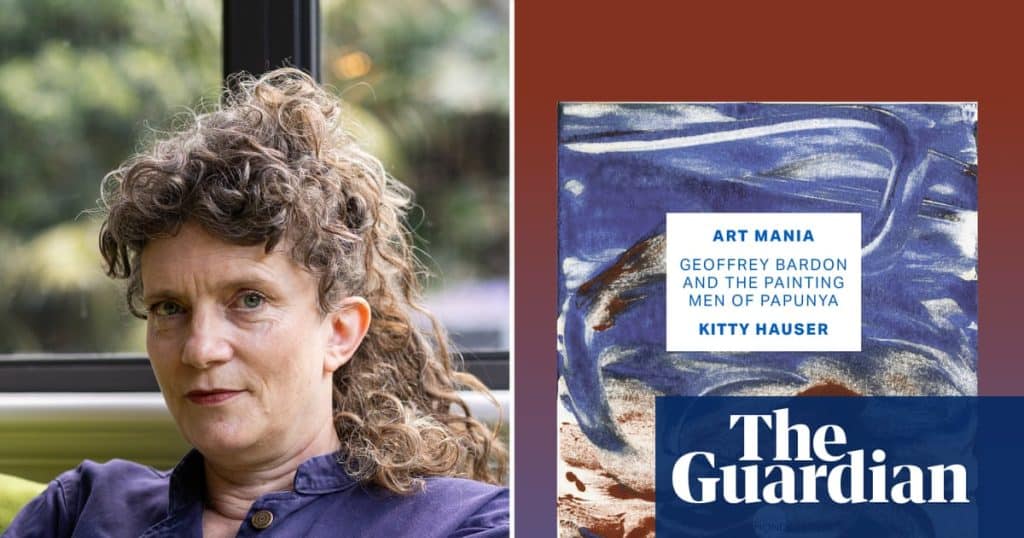
According to The Guardian, Kitty Hauser’s Art Mania: Geoffrey Bardon and the Painting Men of Papunya examines the life, mental health and influence of Geoffrey Bardon, whose work at Papunya became central to accounts of the Western Desert art movement.
In 1971, Bardon, a 30-year-old Sydney school teacher and artist, arrived at the government-run school in the remote Northern Territory settlement of Papunya, on Pintupi country. During the following 18 months, he established a painting centre for Aboriginal men, encouraging ceremonial designs previously made on sand or bodies to be painted on boards and selling works on their behalf.
The Papunya movement is widely regarded as an origin point for contemporary Aboriginal art, as well as the art-centre system and international market that followed. Its dots, concentric circles and lines became strongly associated with Aboriginal art among international and non-Indigenous Australian audiences, although Aboriginal artists including Albert Namatjira and the Hermannsburg painters had already been making art.
Hauser draws on Bardon’s archives, an unpublished biography co-written with his brother Jim, and conversations with friends, relatives and colleagues. The book identifies Jim Bardon, a solicitor and aspiring author, as an important influence on the stories told about both Geoffrey and Papunya art.
Bardon’s project was fuelled by intense energy but followed by a 1972 nervous breakdown. After returning to Sydney, he was admitted to a private psychiatric hospital and underwent Deep Sleep Therapy, a treatment that caused lasting psychological damage. Hauser argues that his subsequent accounts, shaped with Jim, placed Geoffrey at the centre and eclipsed the agency of the painting men. Art Mania is available now from Giramondo for $39.95.