












Arabic version: كاتبة أفغانية تصف شعورها بالذنب تجاه من تُركوا خلفها
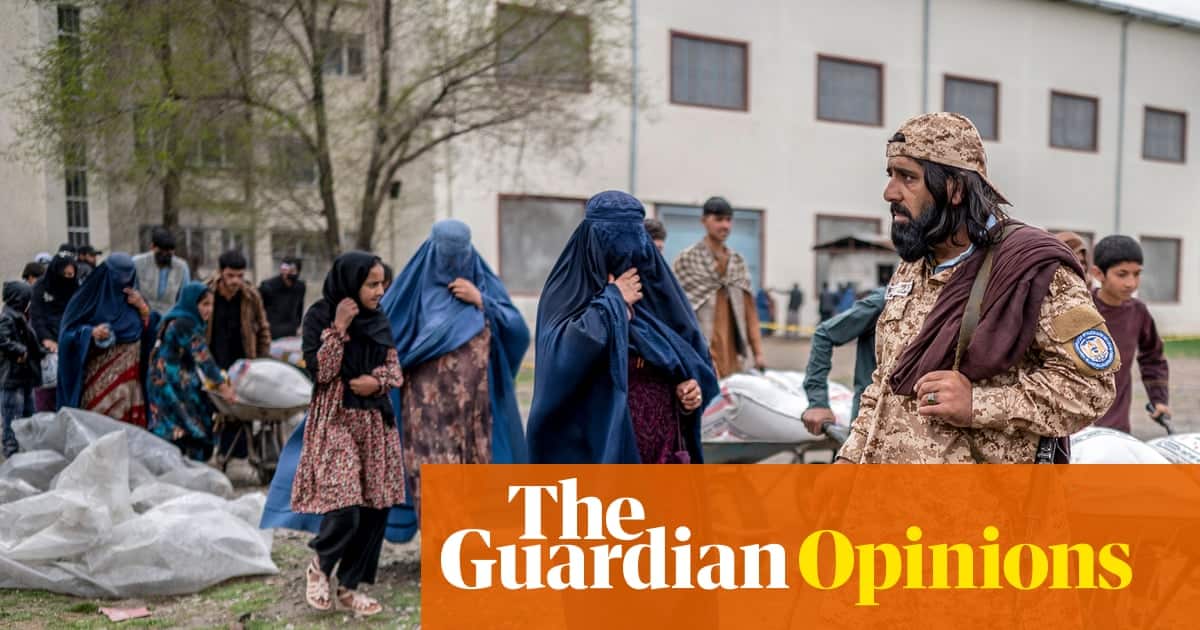
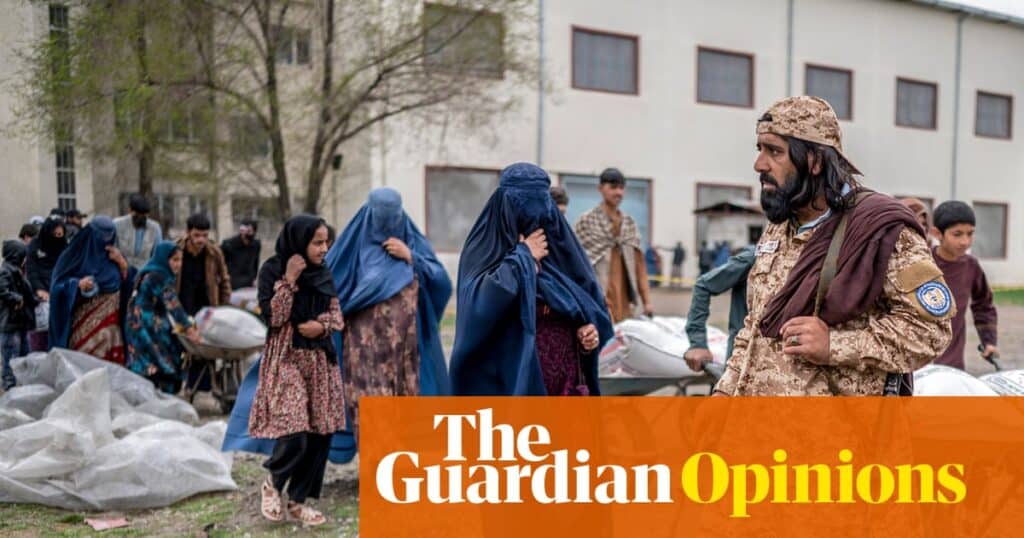
According to The Guardian, Afghan-British journalist Nelufar Hedayat says she feels guilt while speaking to friends and relatives still living under Taliban rule in Afghanistan. She writes that, five years after the Taliban returned to power on 15 August 2021, fewer stories are emerging from the country and daily life, especially for women, has become increasingly restricted.
Hedayat recounts efforts to evacuate a friend in Kabul who had been a headteacher and advocate for education. She says she tried to arrange a route through Albania or Qatar, and later secured a passport for her friend in February 2022, but the attempt failed after the Taliban took control of the airport and restricted Afghans from leaving.
In a final difficult phone conversation, Hedayat told her friend she could no longer continue trying to get her onto a flight. The friend, who had diabetes, said the situation would worsen her health and that she would never again work or be self-sufficient, Hedayat writes. Their lives have since diverged, with Hedayat describing her own life as filled with work and family while her friend faces bombs, morality police and hand-to-mouth living.
The article cites a friend who was 14 in 2021 and says her mother had encouraged school, taekwondo and library visits, while her father now supports Taliban rules and expects her future husband to provide money. Hedayat also points to Pakistan’s February 2026 declaration of “open war” with Afghanistan, airstrikes that she says killed hundreds and displaced many thousands, as well as six million refugees forced back by Iran and Pakistan and severe food insecurity affecting half the population.
Hedayat argues that Afghan people must preserve their stories and identity outside occupation and “brutal theocracy.” She writes that the Taliban are not inevitable and says resistance may begin with reconnecting with those whose lives have been constrained by the regime.