Arabic version: تحقيق بشأن الذكاء الاصطناعي يدعو إلى مدفوعات للمبدعين وترخيص مراكز البيانات
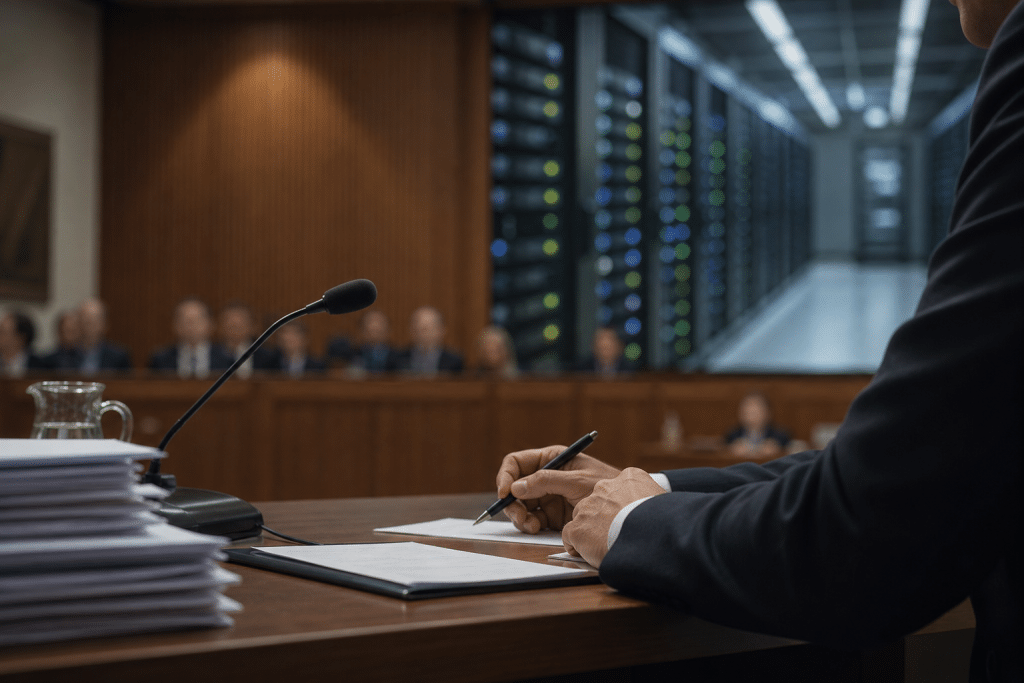
According to ABC News, a parliamentary inquiry has recommended a payment scheme for Australian creators and copyright holders whose material is used to train artificial intelligence models. The Joint Select Committee on Artificial Intelligence released a 263-page report with 46 recommendations, as the federal government is expected to unveil draft laws on data centre standards, AI safety and copyright early in the new year.
The committee made eight copyright recommendations, calling for stronger laws to facilitate payments to creators, transparency over training data and strong penalties for breaches. Labor chair Jo Briskey said the current system was not working for creatives and that they needed control and payment. The music industry rejected the view that existing copyright law was inadequate. Australian Recording Industry Association chief executive Annabelle Herd said rights holders had repeatedly asked government to require AI companies to negotiate.
News Corp Australasia executive chairman Michael Miller said commercial deals sounded right, but warned that a framework allowing AI platforms to scrape content without voluntary agreements would be “state-sanctioned theft”. Independent ACT senator David Pocock issued a dissenting report, calling for a three-year freeze on copyright changes to test whether current laws could make AI companies pay for works used in model training.
On data centres, the committee agreed they should bring their own power, primarily use the cheapest available generation, contribute net power to the grid and not increase household electricity prices. Members did not agree on whether government should specify energy sources. Crossbench member Kate Chaney supported a renewables-only approach, while Liberal deputy Jonno Duniam said separating copyright issues from planning and environmental approvals made sense.
The majority also proposed a data-centre licensing system to enforce rules on power and water use and infrastructure location, plus AI incident monitoring and reporting obligations. It urged the government to increase funding for the AI Safety Institute by at least tenfold from its existing $30 million budget over four years, and recommended greater government purchasing from domestic AI companies.