












Arabic version: ألبانيزي يعلن عن إصلاحات في تنظيم إعلانات القمار
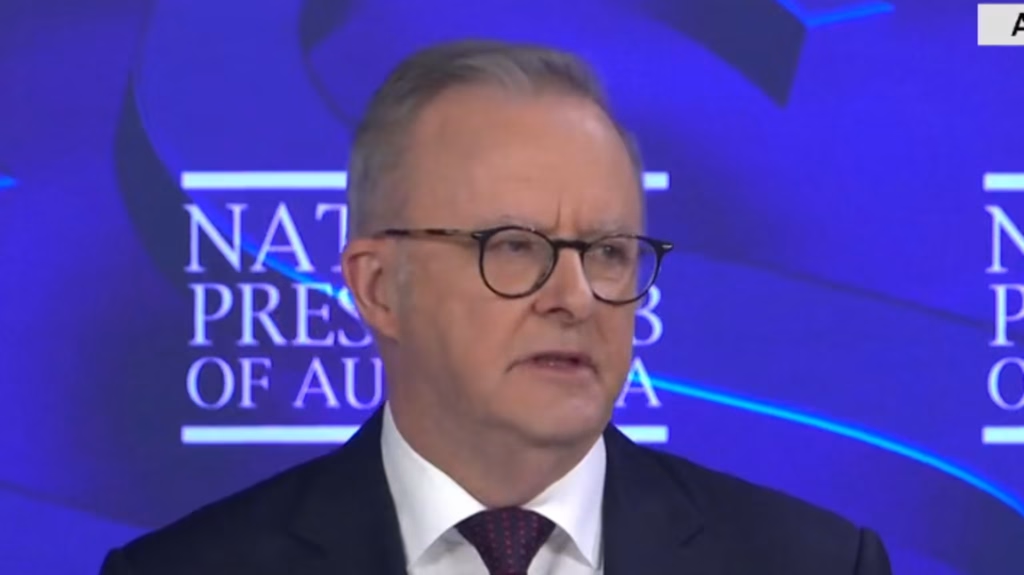
Prime Minister Anthony Albanese has unveiled a series of reforms aimed at regulating gambling advertising in Australia during a speech at the National Press Club. This response follows the release of the ‘You Win Some, You Lose More’ report, which was initiated by the late Labor MP Peta Murphy.
According to ABC News, the proposed changes include a cap on gambling ads on television, limiting them to three per hour between 6 AM and 8:30 PM, and banning such ads during live sports broadcasts in that time frame. Additionally, gambling ads will be prohibited on radio during school pick-up and drop-off times.
The reforms also introduce restrictions on online promotions, allowing ads only when users are logged in and over 18, with an opt-out option. Notably, advertisements featuring celebrities, odds-style ads targeting sports fans, and promotions in sports venues or on player uniforms will be outlawed. Albanese emphasized the importance of protecting children from gambling-related exposure, stating, “We are getting the balance right, letting adults have a punt if they want to, but making sure that our children don’t see betting ads everywhere they look.”
While the prime minister heralded these measures as significant, harm minimization advocates have criticized the approach as insufficient. They argue that the reforms represent only a partial ban on gambling advertising, falling short of the comprehensive restrictions recommended in the Murphy report. Critics, including Independent MP Kate Chaney, described the government’s actions as mere “tinkering around the edges” of meaningful reform.
The government plans to present a full response to the Murphy report when parliament reconvenes in May. Albanese acknowledged that the report did not address all gambling harms, particularly those related to poker machines, which he noted contribute significantly to gambling-related issues in Australia.