












Arabic version: قد تؤدي قيادة آندي بيرنهام إلى تغيير موقف المملكة المتحدة بشأن غزة
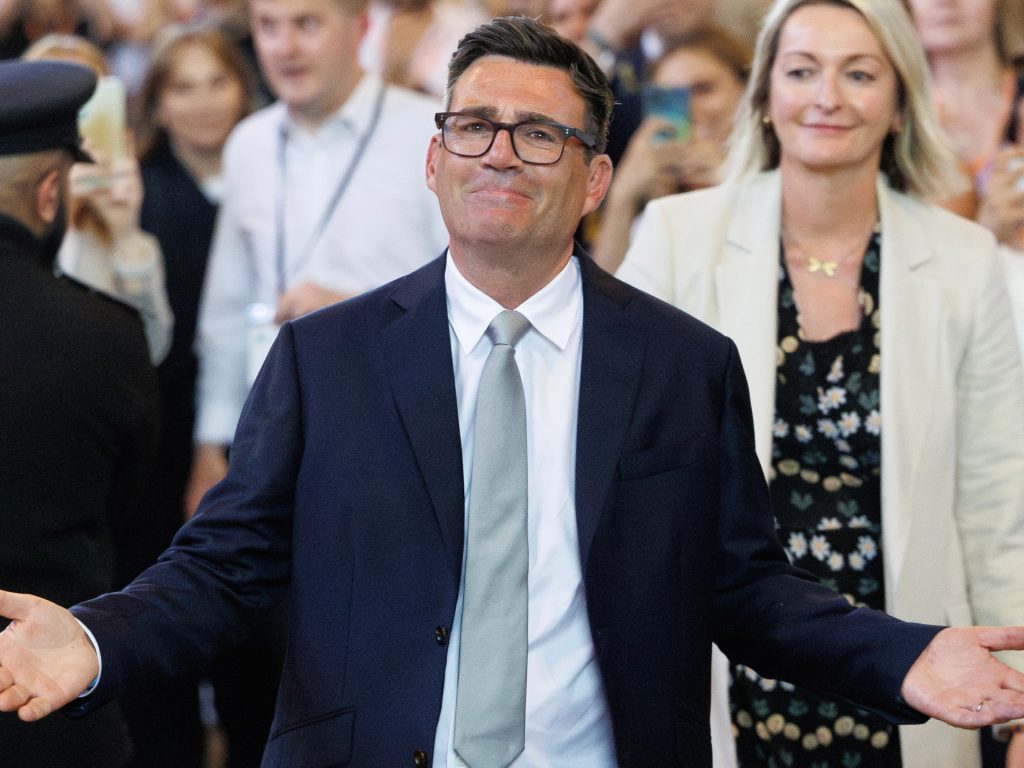
Andy Burnham has emerged as a leading candidate to become the next Prime Minister of the UK, following Keir Starmer’s resignation last week under pressure from within the Labour Party. Burnham, who has served as mayor of Greater Manchester since 2017, recently won the Makerfield by-election with 54 percent of the vote, positioning himself as a potential successor to Starmer, the most unpopular prime minister since polling began in the late 1970s. According to Al Jazeera, Burnham will need to address the party’s stance on Israel and its actions in Gaza as he considers his leadership approach.
Political analysts suggest that Burnham’s leadership could influence Labour’s foreign policy, particularly regarding Israel. Patrick Diamond from Queen Mary University of London noted that while it is too early to predict significant changes, Burnham is likely to advocate for negotiations to end violence. Polling data indicates that over 60 percent of Labour Party members are dissatisfied with the government’s response to Israel, with many supporting stricter measures, including a suspension of arms exports to Israel.
Despite calls for a change in policy, experts like Nimer Sultany from SOAS University of London believe that Burnham may not diverge significantly from Starmer’s established policies. Although he called for a ceasefire in Gaza on October 27, 2023, Sultany anticipates continuity rather than a break from current British policy toward Israel.
Burnham’s position on the Israel-Palestine conflict remains somewhat ambiguous. Critics have labeled him a “political weathervane,” while supporters see him as a pragmatist. His past actions, including visits to the occupied West Bank and statements on Palestinian statehood, showcase a complex relationship with the issue. However, he has refrained from labeling Israel’s military actions in Gaza as genocide, citing a need for thorough investigation and accountability.
As Burnham prepares for a potential leadership role, his approach to foreign policy and the Israel-Palestine situation will be closely scrutinized. With the Labour Party’s recent electoral struggles, any shift in policy could significantly impact its future direction and voter support.