












Arabic version: قادة آسيان ينفذون استراتيجيات للتخفيف من التداعيات الاقتصادية الناتجة عن الحرب في إيران
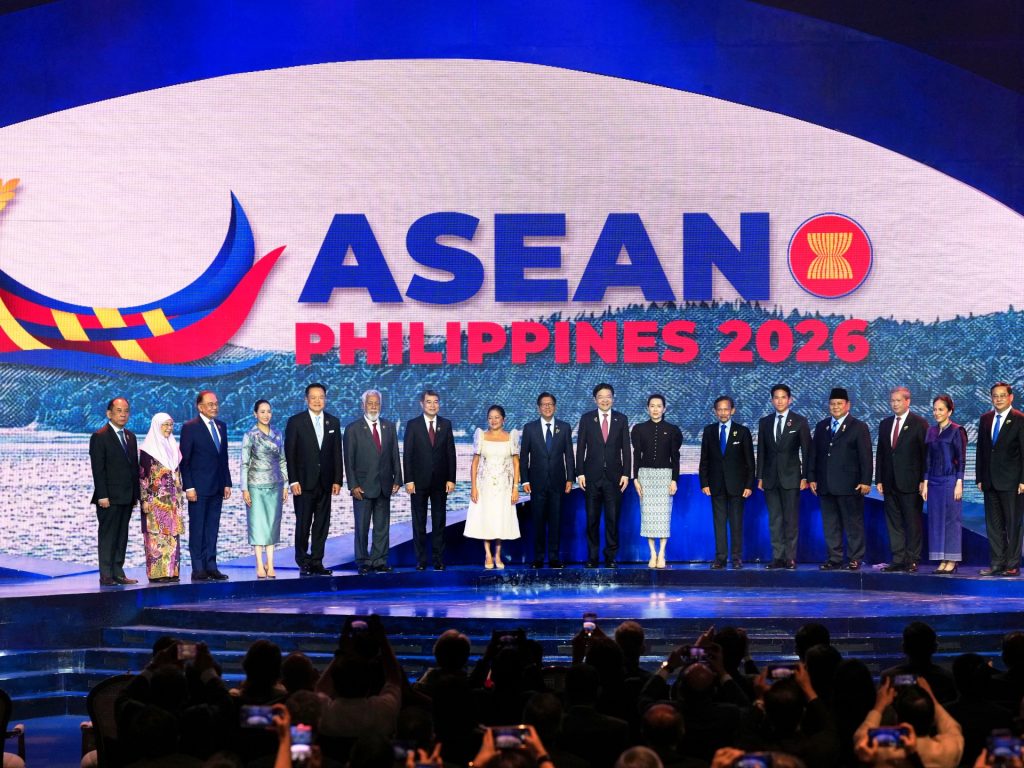
Southeast Asian leaders have agreed on measures aimed at reducing the impact of the Iran war on their economies, but conceded that the initiatives will take considerable time to come into effect. According to Al Jazeera, leaders gathered in the Philippines for a summit of the Association of Southeast Asian Nations (ASEAN), with the closure of the Strait of Hormuz dominating the agenda.
Members agreed to a regional fuel-sharing framework in a bid to ease the economic strain caused by the more than two-month closure of the strategic waterway, which has triggered a global energy crisis. However, it remains unclear how the programme would function, with key details still needing to be finalised, including which countries would be prioritised during a crisis.
ASEAN chair and Philippine President Ferdinand Marcos Jr welcomed the outcome, but conceded that the practical arrangements still needed to be clarified. He raised questions about the logistics of the sharing initiative, including payment mechanisms and the distribution process, stating, “We haven’t done it before.”
Leaders also agreed to develop a regional power grid and fuel stockpile while reducing their dependence on energy imports from the Middle East. Currently, ASEAN imports more than half of its crude oil and 17 percent of its natural gas from the region. Marcos warned that the economic consequences of the war in Iran would persist for the foreseeable future, noting that disruptions could take years to correct.
The overarching theme of the summit was one of unity, with ASEAN countries pledging to continue coordinating their responses while safeguarding their national interests. The bloc is also recovering from tariffs imposed by US President Donald Trump last year and is considering how to hedge its relationships with other countries to shield itself from future crises.