












Reading in English | Read in العربية (Arabic)
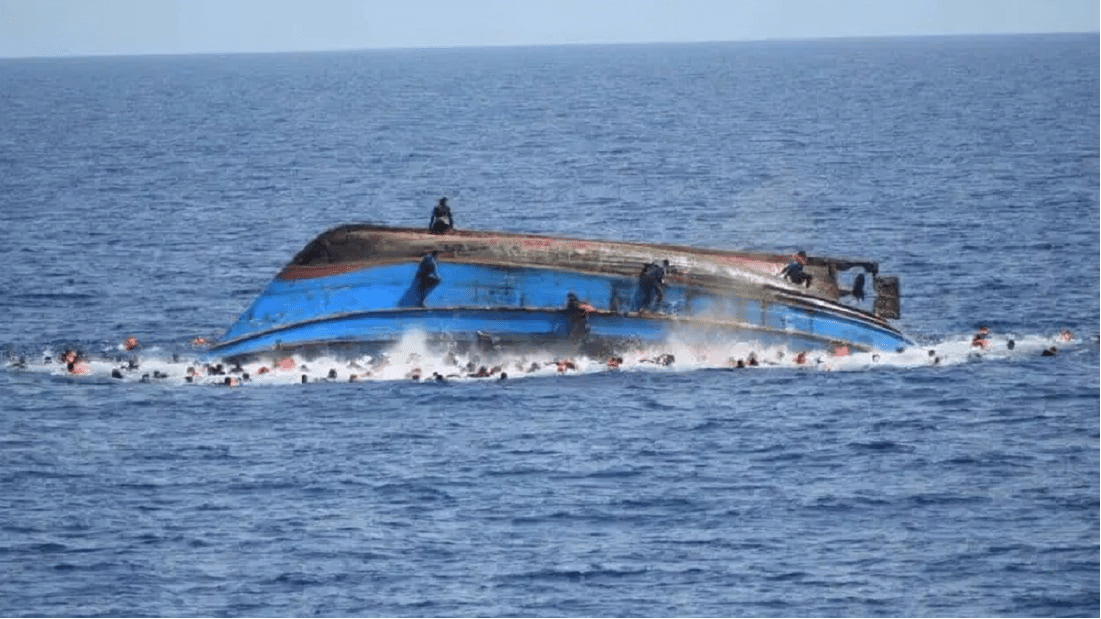
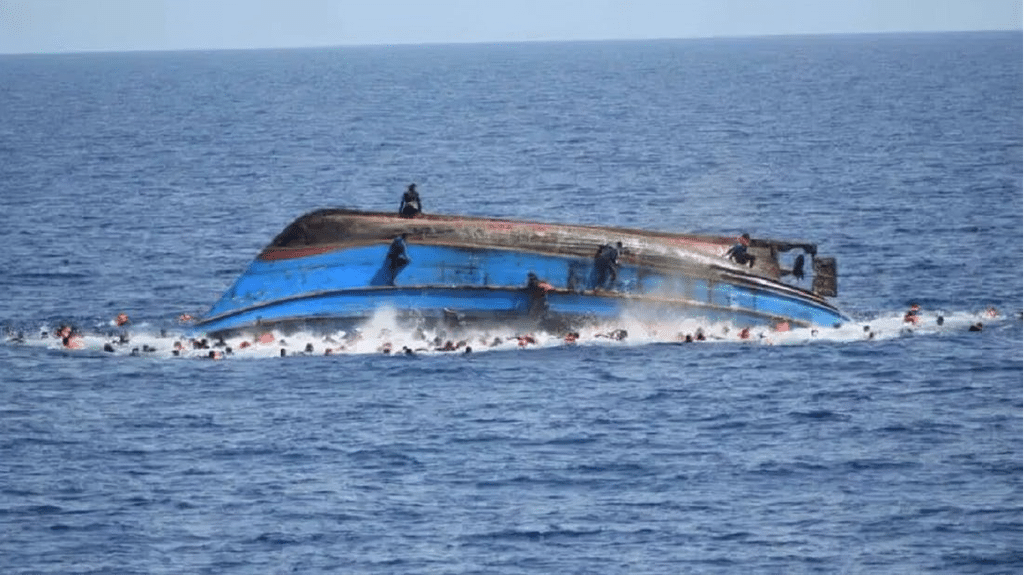
DJIBOUTI – At least 139 migrants, including 15 children, have died and 84 others remain missing after an overcrowded boat carrying more than 300 people capsized off the coast of Djibouti while travelling towards Yemen, according to the United Nations International Organization for Migration (IOM).
The tragedy occurred during the night of 8–9 October 2026 near Guhere, north of the port town of Obock, along one of the most dangerous migration routes connecting the Horn of Africa with the Arabian Peninsula.
According to the IOM, the vessel was carrying approximately 305 migrants when it overturned shortly after departing from Djibouti. Around 82 people survived the disaster, with survivors identified as Ethiopian nationals.
IOM Chief of Mission in Djibouti, Alexandre Coissac, indicated that overcrowding was the main factor contributing to the tragedy.
Local authorities launched search and rescue operations, while humanitarian organisations mobilised emergency assistance for survivors, including medical treatment, psychological support and essential supplies.
The confirmed death toll could rise as search operations continue and authorities work to account for those still missing.
Coissac also revealed that some victims had been buried by fellow migrants without formal identification, raising concerns that the full scale of the tragedy may take time to establish.
The incident highlights the severe dangers facing migrants travelling along the Eastern Route, which connects countries in the Horn of Africa with Yemen and other destinations in the Gulf region.
Despite ongoing conflict and instability in Yemen, thousands of migrants continue to undertake the hazardous journey in search of employment, economic opportunities and improved living conditions.
According to IOM figures, more than 900 migrants died or went missing along the Eastern Route in 2025, demonstrating the persistent risks associated with irregular migration.
The latest disaster comes amid renewed military escalation in Yemen, where fighting between the Iran-backed Houthi movement and forces aligned with the internationally recognised government has intensified.
Recent hostilities have also extended into Saudi Arabia, with Houthi attacks targeting airport infrastructure and other facilities, further increasing regional security concerns.
The deteriorating humanitarian situation has forced thousands of Yemenis to flee their homes. More than 3,700 people have reportedly crossed by sea from Yemen into Djibouti in recent weeks, while migrants from the Horn of Africa continue travelling in the opposite direction.
The United Nations has expressed deep sadness over the shipwreck and confirmed that humanitarian agencies are working with Djiboutian authorities to assist survivors and assess their protection needs.
In a statement issued on 12 October, UNICEF Regional Director for Eastern and Southern Africa, Etleva Kadilli, expressed condolences to the families of the victims and emphasised the importance of protecting vulnerable migrants, particularly children.
UNICEF called for greater efforts to ensure that children and families can travel safely without risking their lives.
The African Union Commission has also expressed condolences and called for stronger regional and international cooperation to address irregular migration, human trafficking and the conditions forcing people to undertake dangerous journeys.
As rescue and recovery efforts continue, the disaster has renewed calls for safer migration pathways, stronger protection measures and greater international cooperation to prevent further loss of life.
The tragedy serves as another reminder of the human cost of displacement, economic hardship and instability across the Horn of Africa and the wider Red Sea region.