












Arabic version: أستراليا تخصص 27 مليار دولار لأول ثلاث فرقاطات من طراز هانتر
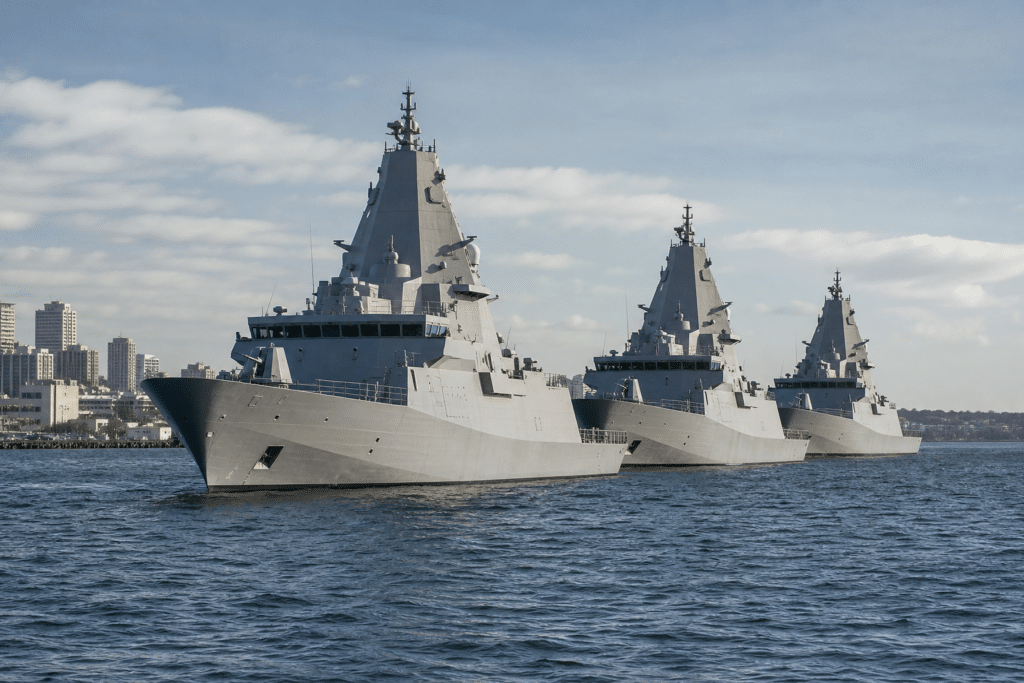
According to ABC News, close to $27 billion has been allocated to construct the first three Hunter-class frigates and build the shipyards at Osborne in South Australia. The ships are intended to replace the ageing Anzac-class frigates, with the first of six vessels due for delivery in 2032.
The Hunter program began when the Turnbull government selected BAE Systems’ Type 26 Global Combat Ship design in 2018. At that time, nine ships were planned for construction in Australia at a projected cost of $35 billion, with the first expected to enter service in the late 2020s. The 2020 Force Structure Plan put the cost of nine frigates at $45 billion, before a surface fleet review retained the program but reduced the total from nine ships to six.
Contracts have been signed with BAE to build the first three frigates, all expected to enter service in the 2030s. A further contract will be required for the final three, which will need billions more in funding. Construction has reached a major milestone on the first ship, with two separate blocks joined at the Osborne yard. Steel was not cut for the vessel until 2024, despite an earlier plan for Adelaide construction to begin from 2020.
The frigates are based on the Type 26 hull but include an Australian-made CEA phased-array radar and the American Aegis combat management system, along with an Australian combat system. Defence Industry Minister Pat Conroy said the additions made the project developmental rather than off-the-shelf, bringing risks of delays and higher costs. He nevertheless said the ships would be the world’s most advanced anti-submarine warships and would also be able to defend themselves and escorted vessels against air attack.
Critics have questioned whether the design attempts too many roles. Strategic Analysis Australia research head Marcus Hellyer said the vessel combines anti-submarine, air-warfare and strike functions, while carrying 32 vertical missile-launch cells compared with 96 on many US Navy destroyers. BAE Systems Australia’s Andy Coxall said the project was also intended to rebuild a continuous naval shipbuilding industry after skilled workers left Osborne as Hobart-class destroyer work wound down.