










Arabic version: أستراليا تقصر الحصول المجاني على لقاحات كوفيد-19
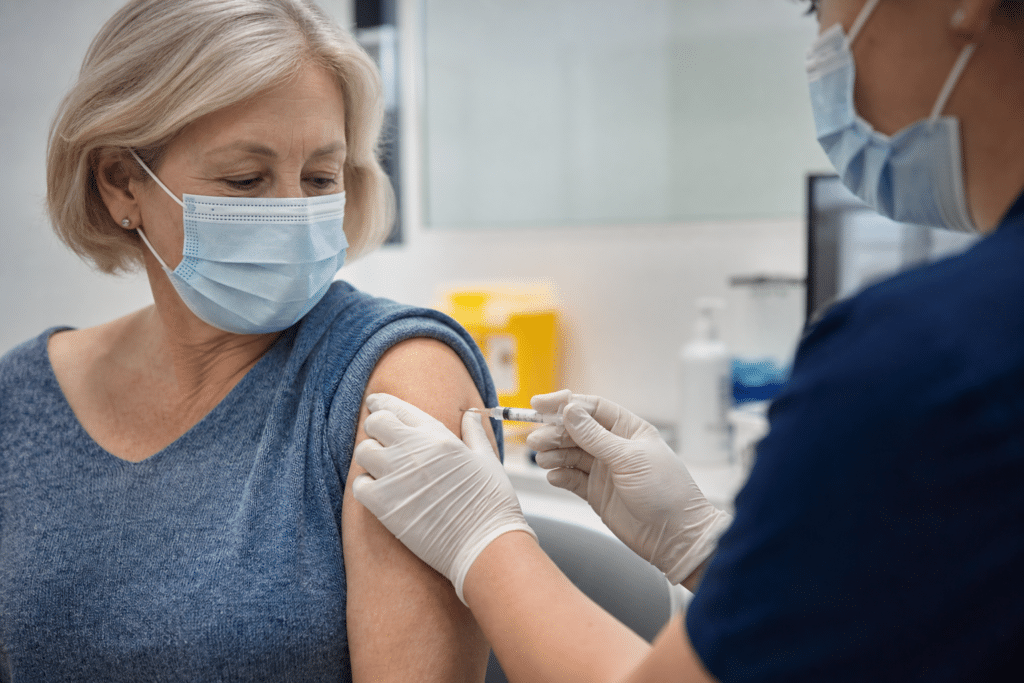
According to ABC News, Australia will limit free COVID-19 vaccines from October 1 to people at highest risk of severe disease, ending universal no-cost access that has been in place for the past five-and-a-half years.
Free doses will remain available twice yearly, about six months apart, for adults aged 75 and over. Adults aged 65 to 74, Aboriginal and Torres Strait Islander people aged 50 to 74, and adults aged 18 to 64 with severely immunocompromising conditions will be eligible for one free dose each year. The latter group includes people with chronic kidney disease on dialysis and people with leukaemia.
The price for people who are not eligible has not been confirmed. Pharmaceutical Society of Australia vaccination ambassador and community pharmacist Julianna Neill said discussions with manufacturers on Australia’s wholesale price were continuing and may not be settled until the last week of September. She anticipated the vaccine would cost significantly more than the typical $25 to $35 annual flu jab.
COVID-19 vaccines are moving from the National COVID-19 Vaccine Program to the National Immunisation Program, alongside respiratory syncytial virus and influenza vaccines. The Department of Health, Disability and Ageing said the change reflected a move from an emergency pandemic response to a long-term routine program focused on those at highest risk. So far this year, 1.7 million people in Australia, about 6 per cent of the population, have received a COVID-19 vaccine, compared with 8.9 million flu vaccinations.
People seeking a booster who may lose free eligibility are advised to contact a local clinic before October 1. COVID-19 vaccines can be booked online, or people can seek information from a GP or pharmacist. Jodie McVernon of the Doherty Institute also urged basic measures to limit transmission, including staying home when sick, frequent handwashing and wearing a mask when unwell.