












Arabic version: استهداف أطفال أستراليين من شبكات طوائف إلكترونية سادية
According to ABC News, Australian children are being targeted by sadistic online networks that coerce victims into self-harm, sexual exploitation and other harmful acts. The networks, including the notorious group known as 764, have been described by the FBI as “modern-day terrorism”.
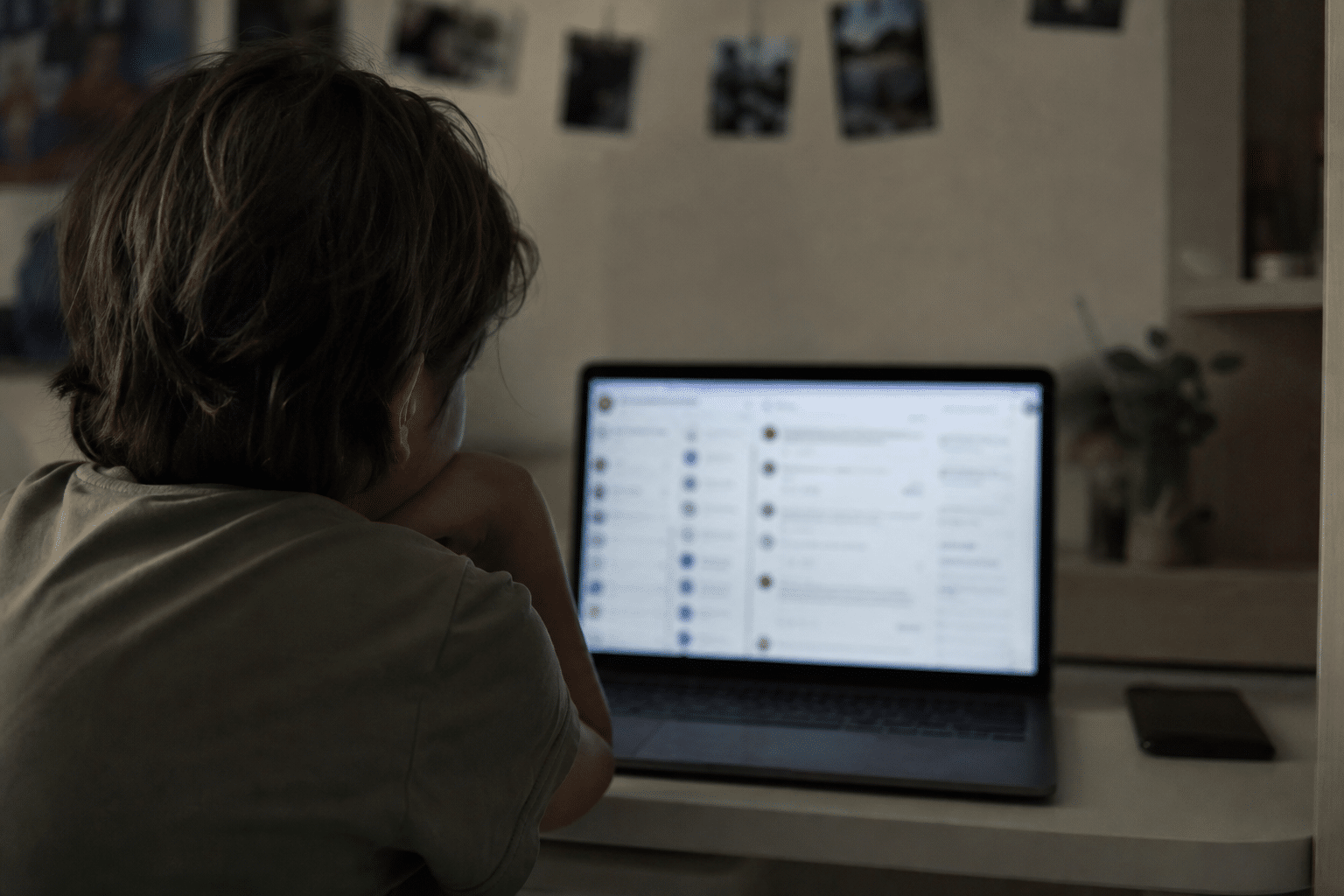
One Western Australian teenager, identified as Emma, said she was initially approached while playing Roblox before being asked to move to Discord. She said apparently harmless questions developed into demands for explicit images, with threats that material would be leaked. Police believe the person who targeted her may be in the Caucasus.
Emma said she was pressured to self-harm and to film ritualistic acts. After she refused an instruction to livestream her suicide, the perpetrator contacted her father, who received a collage containing images of blood, cuts and pornographic material.
WA Police Force cybercrime chief Peter Foley said Emma’s case was among 19 referrals to the force’s cybercrime squad in the past 18 months. He warned that children can be intimidated through tactics including doxxing and swatting, and urged parents to watch for signs such as children hiding devices, concealing content or isolating themselves.
Australian Federal Police cybercrime commander Graeme Marshall said the groups use status to drive perpetrators to coerce victims into increasingly serious harm, and that some victims are pressured into becoming offenders. The AFP launched a task force last year to disrupt and dismantle the networks.
Roblox said the crimes were an “industry-wide challenge” and that it had teams and systems to remove associated content and users. Discord said it used technology and trained safety teams to find and remove policy-violating content. Australia’s eSafety Commissioner, Julie Inman Grant, said there were still “significant gaps” in gaming platforms’ protections for children.