











Arabic version: تدمير قبور الحرب الأسترالية وسط الصراع المستمر في إسرائيل وغزة
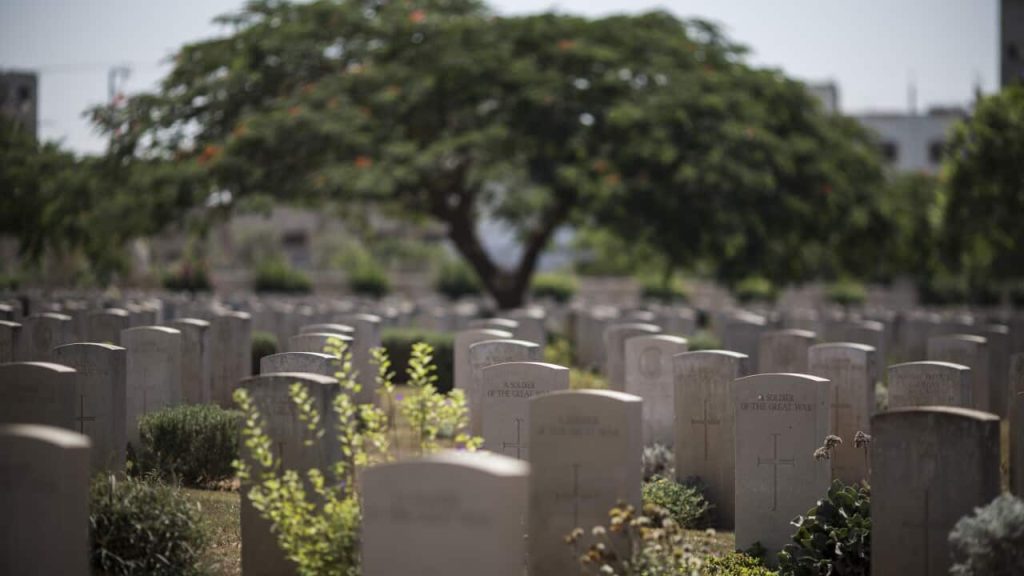
In a tragic turn of events, Australian war graves located in Gaza have been reportedly destroyed amid the ongoing conflict between Israel and Hamas. The graves, which honor the memory of Australian soldiers who fought during World War I, were located in the Al-Quds cemetery in Gaza City. This site held historical significance as it was the final resting place for many Australian servicemen who lost their lives in battles during the Palestine campaign.
The Australian Department of Foreign Affairs and Trade (DFAT) has confirmed the destruction of the graves, expressing deep concern over the impact of the ongoing violence on cultural heritage sites. The department has stated that it is currently seeking further information regarding the extent of the damage and the circumstances surrounding the destruction.
The war graves were part of a broader network of military cemeteries established during the war, which commemorated the sacrifices made by Australian forces. Reports indicate that the graves were damaged during the recent escalation of violence, which has seen significant casualties on both sides. The conflict has intensified since the Hamas attack on Israel, leading to a heavy military response from the Israeli government.
Australian officials have condemned the destruction of the graves, emphasizing the importance of preserving historical sites that honor those who served in the military. They highlighted that such acts of destruction not only disrespect the memory of the fallen but also contribute to the broader tragedy of the ongoing conflict.
The Australian government has also reiterated its commitment to supporting peace efforts in the region, calling for an immediate cessation of hostilities and a return to dialogue. The destruction of the war graves serves as a poignant reminder of the human cost of war and the need for reconciliation.
As the situation continues to evolve, the Australian community has expressed its sorrow and anger over the loss of these graves, with many calling for greater international attention to be placed on the preservation of cultural heritage in conflict zones. The Australian War Memorial has also issued a statement, reaffirming its dedication to commemorating the sacrifices of Australian servicemen and women, regardless of the circumstances surrounding their final resting places.
The destruction of the graves not only marks a loss for Australia but also for the collective memory of those who fought for their country. It serves as a stark reminder of the ongoing need for peace and understanding in a region long affected by conflict.