













Arabic version: تزايد الدعوات للأستراليين للالتحاق بالتجارب السريرية
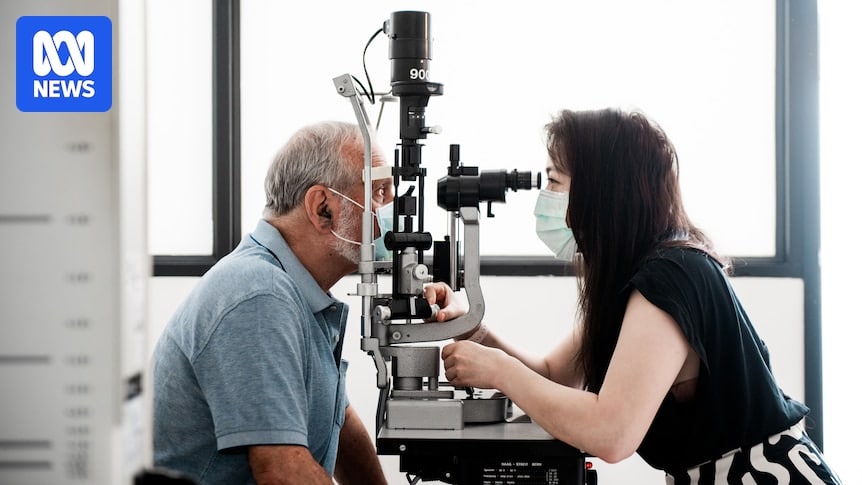
Renowned pathologist Richard Scolyer urged Australians to consider enrolling in clinical trials in an open letter published after his death, highlighting the role of volunteers in advancing medical research. Tom Valenta, who has participated in three clinical trials with the Centre for Eye Research Australia since 2017, said taking part gave him purpose and allowed him to contribute to better understanding of glaucoma.
According to ABC News, clinical trials test new treatments, tests or procedures to prevent, detect, diagnose, treat or manage disease. About 1,850 new clinical trials are conducted in Australia each year, with most taking place in Victoria or New South Wales. Trial designs include double-blind studies — where neither participants nor researchers know who receives an experimental treatment or a placebo — and open-label trials, where treatment allocation is known.
This matters to readers because clinical trials determine whether new therapies are safe and effective and expand treatment options. Between 2023 and 2025, Australia was associated with 7,196 trials and the federal government has committed $750 million over 10 years to test new treatments, primarily for rare cancers, rare diseases and unmet needs. About 90,000 Australians participated in trials in 2022, and most trials are funded by commercial sponsors, with others supported by government, not-for-profits or grant funding.
Researchers and participants described the practical experience of taking part. Mr Valenta said participation in eye trials involved a few extra, longer eye checks and questionnaires and “no hardship involved.” Studies led at the Centre for Eye Research Australia examined early markers of glaucoma and tested an oral B3 medication in a double-blind phase 1 trial. That study suggested B3 might help slow disease progression and is now being replicated overseas with a larger population. Dino Cercarelli, chief operating officer of the Australian Clinical Trials Alliance, said Australia is strongest in phase 1 trials, noting tax incentives and the smaller participant numbers required for early-stage work.
What happens next: the B3 study is being replicated overseas with a larger population, and Mr Valenta is taking part in an ongoing phase 3 trial. Continued recruitment remains essential to advance potential treatments and to move promising findings from early-phase work into larger trials that can confirm effectiveness.
Related sections: Australia/استراليا | Australian Capital Territory | General | Social/إجتماعية | Victoria