











Arabic version: بالي تواجه أزمة نفايات مع ارتفاع أعداد السياح
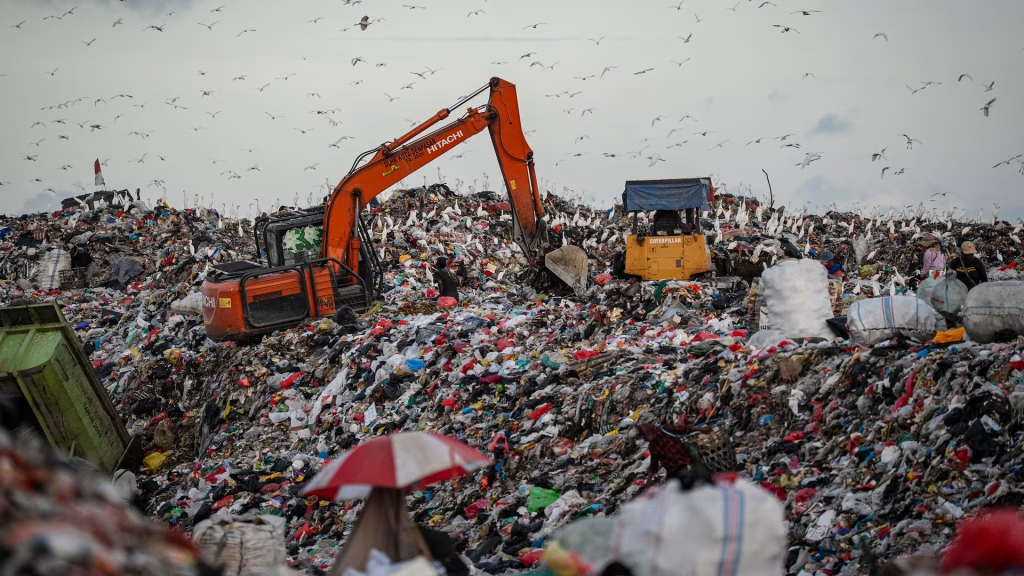
Bali, known for its stunning landscapes, is grappling with a severe waste crisis, leading locals to refer to it as the “Island of Trash.” The picturesque village of Buduk, located just north of Canggu, has recently become home to a massive mound of rubbish, which locals have been dumping for months despite it not being an official landfill site. This situation reflects broader waste management challenges faced across the island.
According to ABC News, the waste pile in Buduk consists of torn garbage bags, food scraps, plastic bottles, and household items, with even more waste hidden beneath layers of dirt. Local residents reportedly paid a small fee to dispose of their trash at this site, prompting concerns about the lack of official waste management.
The Suwung landfill, Bali’s primary waste disposal site, is currently overwhelmed. Although officials have aimed to close it for years due to environmental concerns, including methane emissions and leachate contamination, the site has reopened temporarily to handle organic waste for two days a week. This partial reversal has led to chaos, with increasing reports of illegal dumping and residents burning trash, resulting in unpleasant fumes.
Environmental advocates, including Gary Bencheghib, co-founder of the NGO Sungai Watch, have noted a rise in waste accumulation around the island as confusion over waste disposal methods intensifies. With an influx of tourists and an increase in waste generation, Bali’s traditional waste management practices are struggling to keep pace.
The island’s waste management issues are compounded by a significant increase in tourism, which has nearly tripled over the past 15 years. Last year, Bali welcomed almost 7 million foreign tourists, contributing to the daily generation of approximately 3,500 tonnes of waste, predominantly organic and plastic. With the introduction of plastic packaging, residents have shifted from biodegradable practices to more wasteful habits, exacerbating the environmental crisis.
As Bali continues to attract millions of visitors, the urgent need for sustainable waste management solutions has never been clearer. Local governments are under pressure to improve conditions, yet the path forward remains fraught with challenges.