












Arabic version: اقتراب مهلة اتفاق كهرباء بيل باي يزيد الضغط على الحكومة
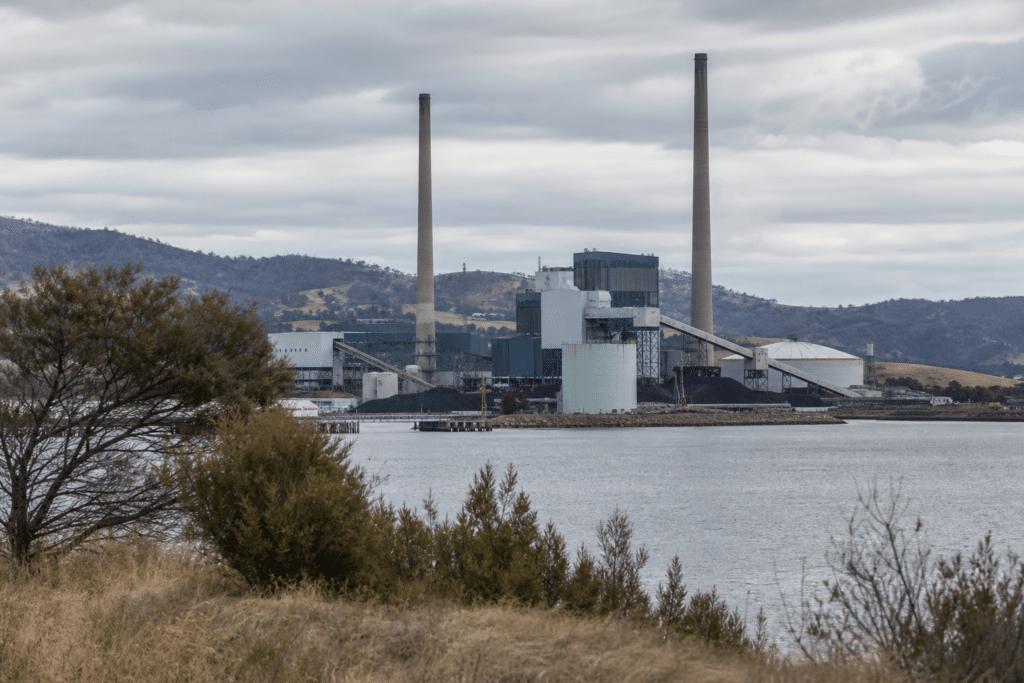
According to ABC News, Rio Tinto faces a deadline at the end of August to secure a new electricity agreement for its Bell Bay Aluminium smelter in northern Tasmania. The company’s existing one-year power deal with Hydro Tasmania expires at the end of 2026, while the smelter directly employs about 550 people and is among the largest users connected to Tasmania’s power grid.
Hydro Tasmania and Rio Tinto have continued negotiations, with Rio Tinto offering $60 million less than the state-owned power company was seeking. Federal Bass MP Jess Teesdale said last month there was a “very high risk the smelter would close” if a deal was not reached by the end-of-month deadline.
Thirteen northern Tasmanian industry and community leaders have sent open letters to Prime Minister Anthony Albanese and Premier Jeremy Rockliff seeking urgent federal and state action. Their letter to Mr Rockliff called for a new 10-year power agreement to be signed as soon as possible. It said the smelter paid almost $76 million in salaries in 2025, invested $40 million in capital works and spent about $262 million with around 180 Tasmanian suppliers.
Bell Bay Advanced Manufacturing Zone chief executive Susie Bower said industry, unions, community representatives and businesses wanted governments to work together on a solution. George Town Mayor Greg Kieser said a closure would have a major effect on families, suppliers and local rateable revenue. Minister Jo Palmer said Hydro Tasmania had put a “very good” deal to Rio Tinto and called for federal support to bridge the gap.
A spokesperson for federal Industry Minister Tim Ayres said the Tasmanian government had “complete control” over low-cost renewable electricity supply for Tasmanian industry and should use all available levers to support its industrial base. Deputy Tasmanian Labor leader Janie Finlay said the state should first secure a fair, competitive deal before seeking Commonwealth support. Bell Bay Aluminium produces roughly 190,000 tonnes of aluminium annually, according to its website.