













Arabic version: إنفلونزا الطيور تُقلق سكان ساحل لايمستون في جنوب أستراليا
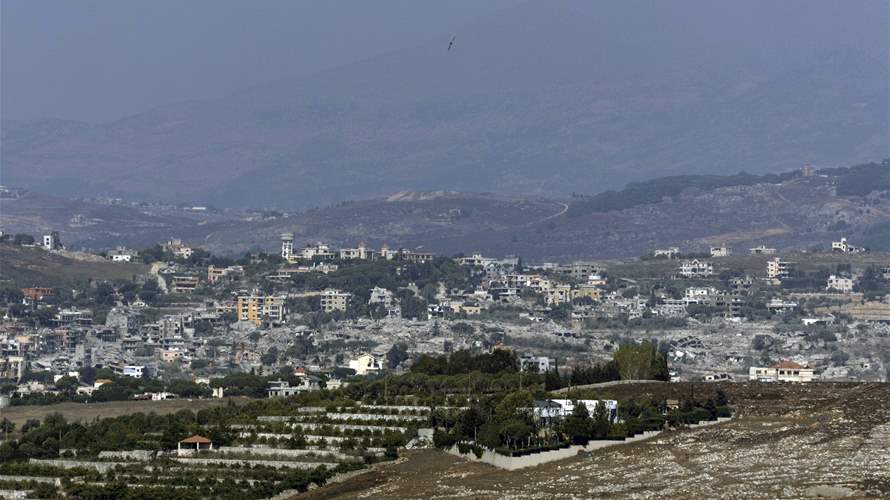
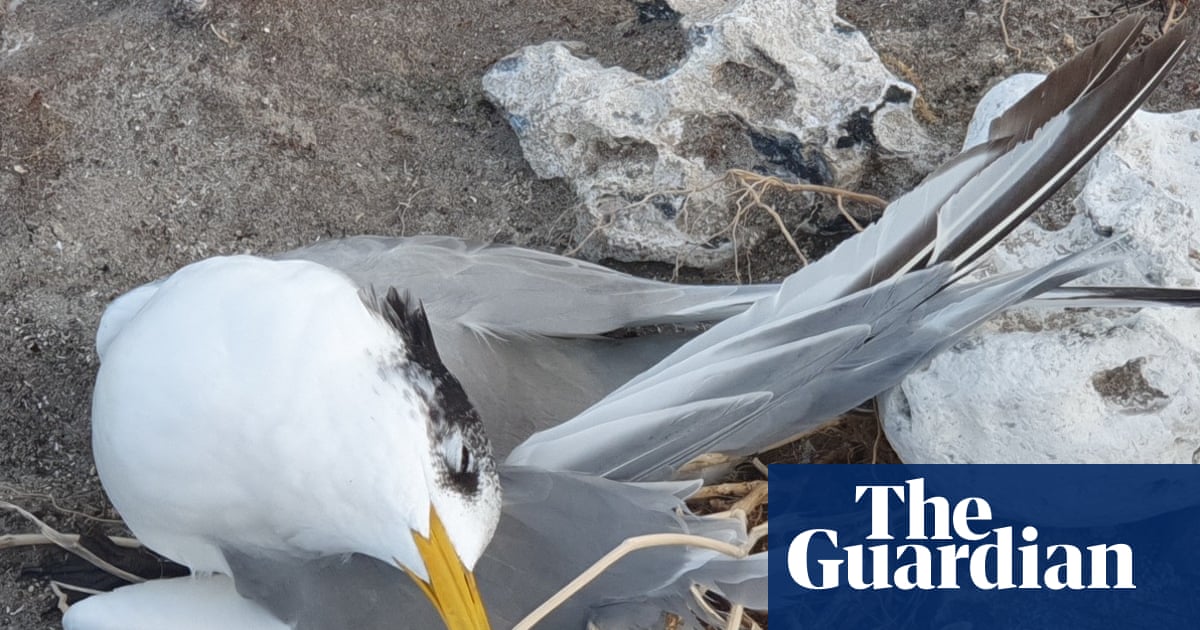
According to The Guardian, encounters with sick and dead birds have become commonplace on South Australia’s Limestone Coast only three weeks after H5 bird flu was detected there. The first case in a local Australian seabird, a greater crested tern, was identified in early July. Dozens of further suspected and confirmed cases have since been reported, including the first confirmed mass mortality event at Baudin Rocks near Robe.
Maureen Christie, a Carpenter Rocks resident who helped establish Friends of Shorebirds SE more than 20 years ago, said the outbreak had been traumatic. The region supports resident hooded plovers and oyster catchers, as well as visiting double-banded plovers, red-necked stints, sanderlings and ruddy turnstones. Christie said locals were following government advice to “avoid, record and report” and were sharing sightings through email and phone calls.
In Robe, council officers have been identifying and reporting sick and dead birds almost daily, mainly greater crested terns and some silver gulls. Roland Wells, president of Friends of Little Dip Conservation Park and Robe Coast Care, said the area’s environment includes migratory, coastal and inland birds, along with wombats, wallabies, echidnas, sea lions, seals and dolphins. He said decades of conservation work made the arrival of bird flu particularly upsetting.
South Australia’s primary industries department said crested terns commonly mix with cormorants, gulls, grebes, ducks and other tern species, increasing the potential for transmission. Fairy terns have been identified as a threatened or priority species at high risk, while Australian sea lions and long-nosed fur seals are among marine mammals being closely monitored. Wildlife clinics and carers are using personal protective equipment and stricter cleaning and quarantine measures, while SKER wildlife veterinary centre’s Mish Simpson said the clinic was already at capacity before the outbreak.
In Victoria, chief veterinary officer Dr Graeme Cooke said aerial and ground surveillance near Portland and Nelson had found a clear increase in dead terns, consistent with deaths in South Australia. Federal environment minister Murray Watt said the unfolding events were likely to mark the beginning of a long and difficult journey for wildlife.