












Arabic version: تحديات الترخيص تواجه اتجاه أكشاك الكعك في إنجلترا
Cake sheds, small structures filled with homemade baked goods, have become a popular venture for many bakers in England, with some earning between £500 to £1,000 a week. These sheds typically operate on a self-service basis, where customers pay through an honesty box system. However, as the trend grows, local councils are beginning to scrutinize the legality of these operations.
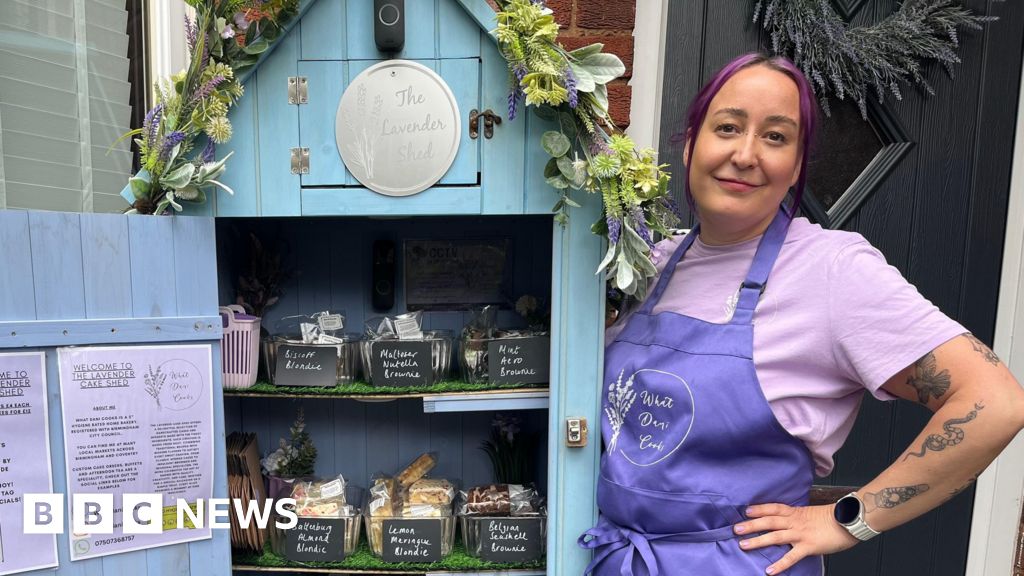
According to BBC News, Danielle Edgington, who operates a successful cake shed in Kings Heath, Birmingham, quit her full-time job to focus on her shed, which has attracted a significant customer base. She noted that the demand is so high that her shed is open seven days a week, and much of her business comes from social media engagement.
Other bakers, like Charley Coleman-Pollard, have also reported strong community support for their cake sheds. Coleman-Pollard has reinvested her profits back into the business, emphasizing the importance of community engagement and local support.
Despite the popularity of cake sheds, some councils are reviewing their street trading policies, which may require bakers to obtain a street trading license. In Nottinghamshire, bakers were informed they would need to pay over £1,000 for a license or face fines. Following community backlash, the council paused enforcement actions while they reassess their policies, leaving many bakers uncertain about their future.
Bakers like Heather Price express concern that the additional costs associated with licensing could make their businesses unviable. She and others are keen to continue sharing their baked goods with the community but worry about the financial implications of new regulations. The outcome of these discussions may determine the future of this burgeoning trend across the country.