













Arabic version: جهود مكافحة طيور المينا في كانبيرا تواجه ضغوطاً متجددة
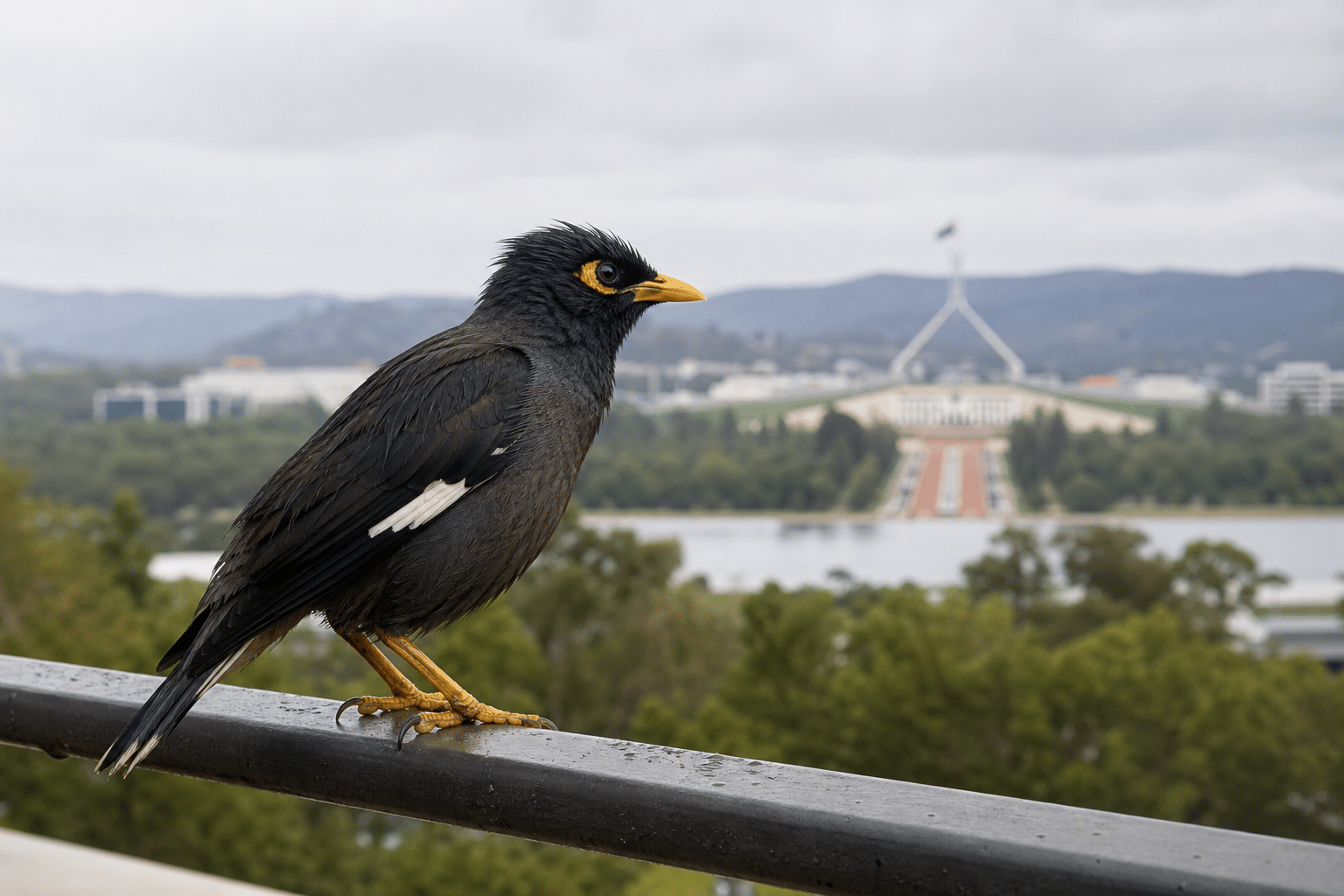
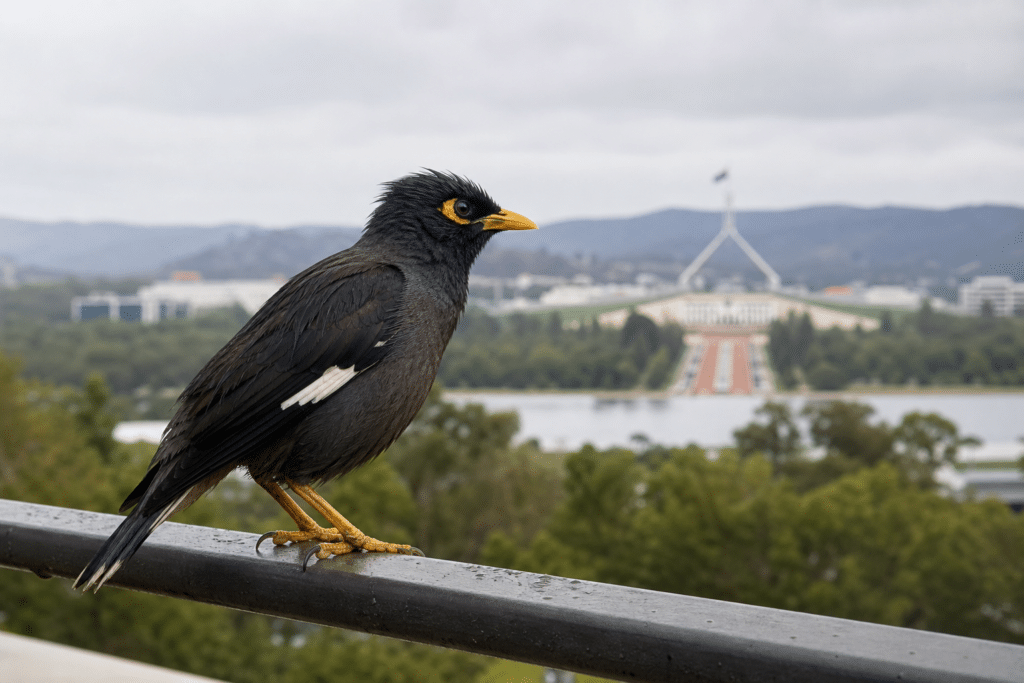
According to ABC News, Indian mynas introduced to Australia in the 1860s to tackle insect pests have become an invasive pest themselves. The common myna, or Acridotheres tristis, has spread along Australia’s east coast and is observed to displace native birdlife by taking food and nesting sites.
Bill Handke, president of the Canberra Indian Myna Action Group, said the birds are aggressive towards native species and can destroy eggs and chicks. He said hollow-nesting birds, including crimson rosellas and eastern rosellas, are particularly affected, along with smaller birds seen in suburban gardens.
CIMAG was formed in 2006 to raise awareness and provide free backyard trap loans. More than 3,000 households in Canberra, Queanbeyan and Murrumbateman have participated in trapping, removing more than 80,000 birds. Mr Handke said mynas had fallen from the third most common bird in Canberra to the 24th within about a dozen years, but the gains have stalled. A recent survey placed them at 10th most common in the region, he said.
The ACT declared Indian mynas a pest species in 2021, but did not establish a control program. ACT Conservator of Flora and Fauna Bren Burkevics said common mynas are well adapted to urban areas but are not a priority species, as authorities are not seeing a threat to matters of national significance or native birds in reserves. CIMAG disputes that view and is seeking government action on public land and a disposal service for trapped birds. The RSPCA ACT says any population management must be necessary, justified and carried out by qualified people within a humane framework.