












Arabic version: تشالمرز يكشف عن ميزانية الحكومة الفيدرالية لعام 2026 مع ردود فعل مختلطة
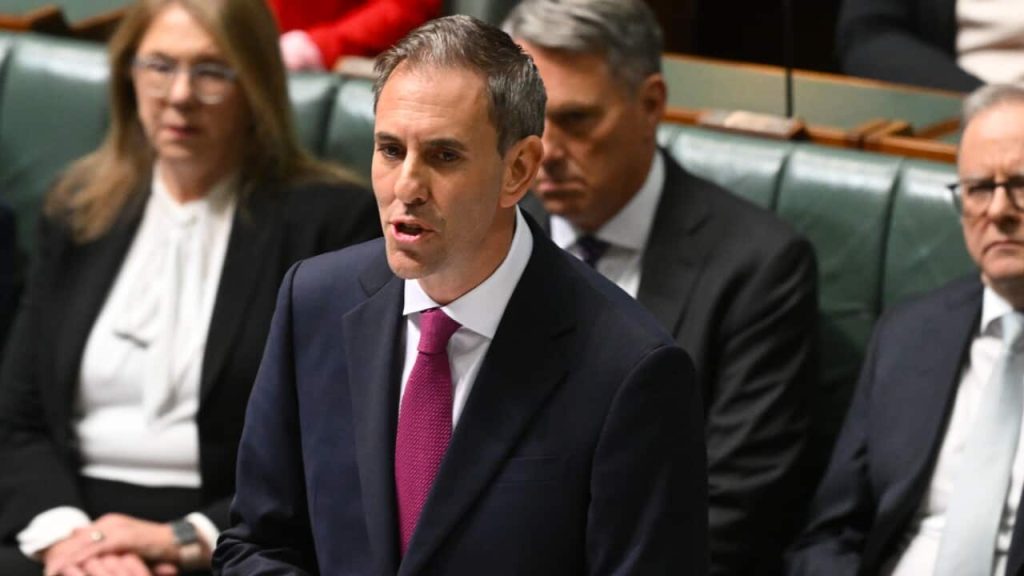
Treasurer Jim Chalmers has presented the Albanese government’s fifth federal budget, outlining plans for cost of living relief, housing, healthcare, energy, and the broader economy. According to SBS News, the budget comes during a period of ongoing economic uncertainty.
The Australian Council of Trade Unions (ACTU) praised the proposed changes to negative gearing and capital gains tax (CGT), stating that these reforms would benefit workers and younger Australians. The budget stipulates that new investment properties purchased after 7:30 PM AEST on May 12, 2026, will not qualify for negative gearing from July 1, 2027, with certain exemptions. ACTU President Michele O’Neil highlighted that this budget aims to address long-standing tax imbalances favoring wealth over work.
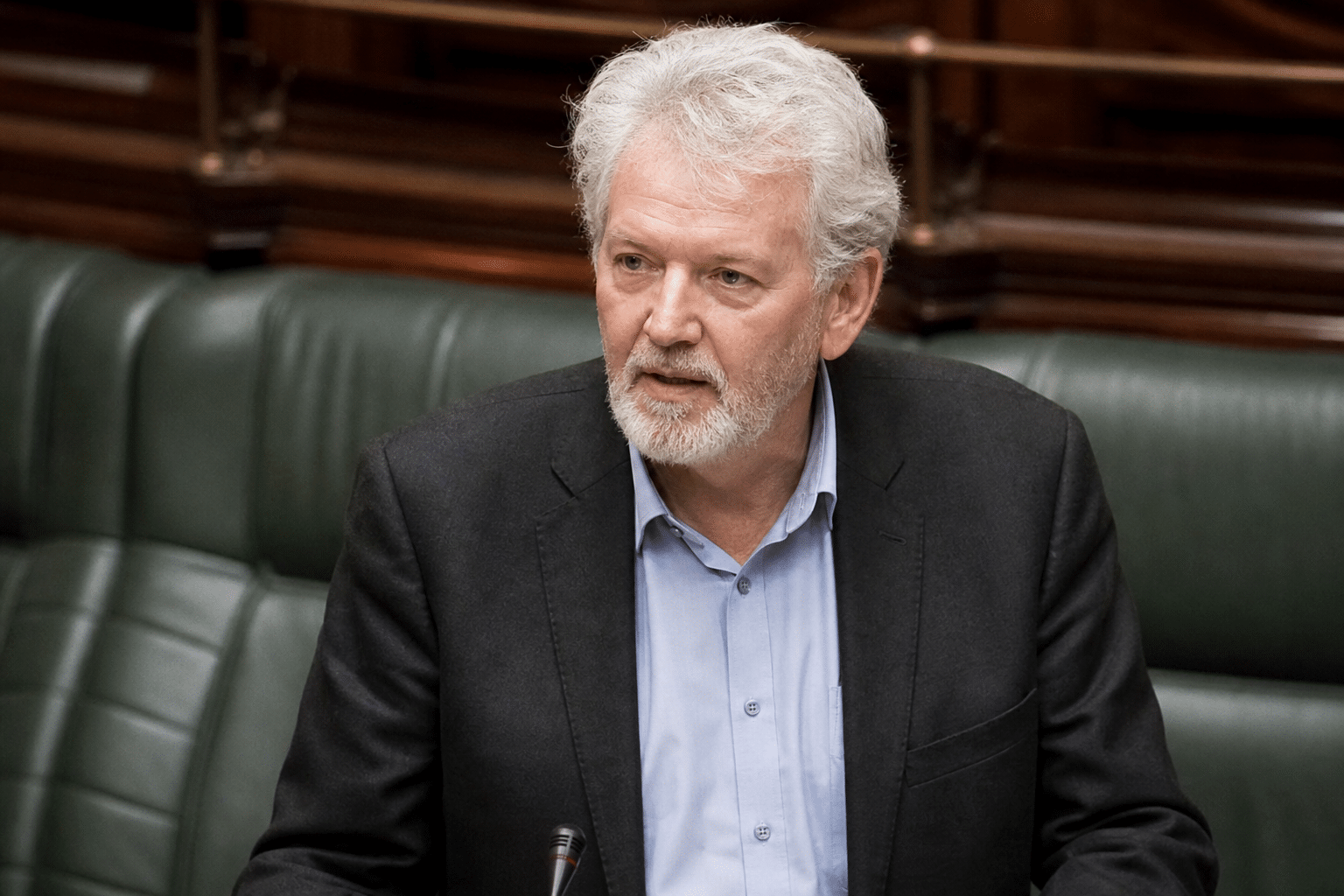
In contrast, the Opposition has expressed discontent with the proposed changes, particularly regarding housing tax breaks, indicating that they will not support these measures. Opposition treasury spokesperson Tim Wilson criticized the government’s approach, suggesting it fails to address housing needs adequately.
Healthcare advocates have voiced concerns as well, with Dr. Michael Wright from the Royal Australian College of General Practitioners noting that the budget did not sufficiently prioritize health services. However, he acknowledged positive additions such as funding for the Thriving Kids Initiative and RSV vaccinations.
The budget also includes a $3.7 billion funding increase for aged care, which will create 5,000 new aged care beds. While aged care advocates welcomed this boost, they emphasized the need for further investment to ensure high-quality care. Additionally, Chalmers announced $63.8 billion in budget savings, largely stemming from adjustments to the National Disability Insurance Scheme. The government aims to strike a balance between necessary reforms and long-term financial stability.