












Arabic version: مرتزقة كولومبيون مرتبطون بقوات الدعم السريع السودانية من خلال تتبع الهواتف
A report by the Conflict Insights Group (CIG) reveals that Colombian mercenaries, supported by the United Arab Emirates (UAE), played a crucial role in backing Sudan’s paramilitary Rapid Support Forces (RSF) during their capture of el-Fasher last year. The investigation utilized phone tracking data to link over 50 mobile devices operated by Colombian fighters to RSF-controlled regions.
According to BBC News, the findings suggest a direct connection between the UAE and the RSF, contradicting the UAE’s previous denials of involvement. The fall of el-Fasher has been described as one of the most brutal incidents in the ongoing conflict, which has resulted in a severe humanitarian crisis in Sudan.
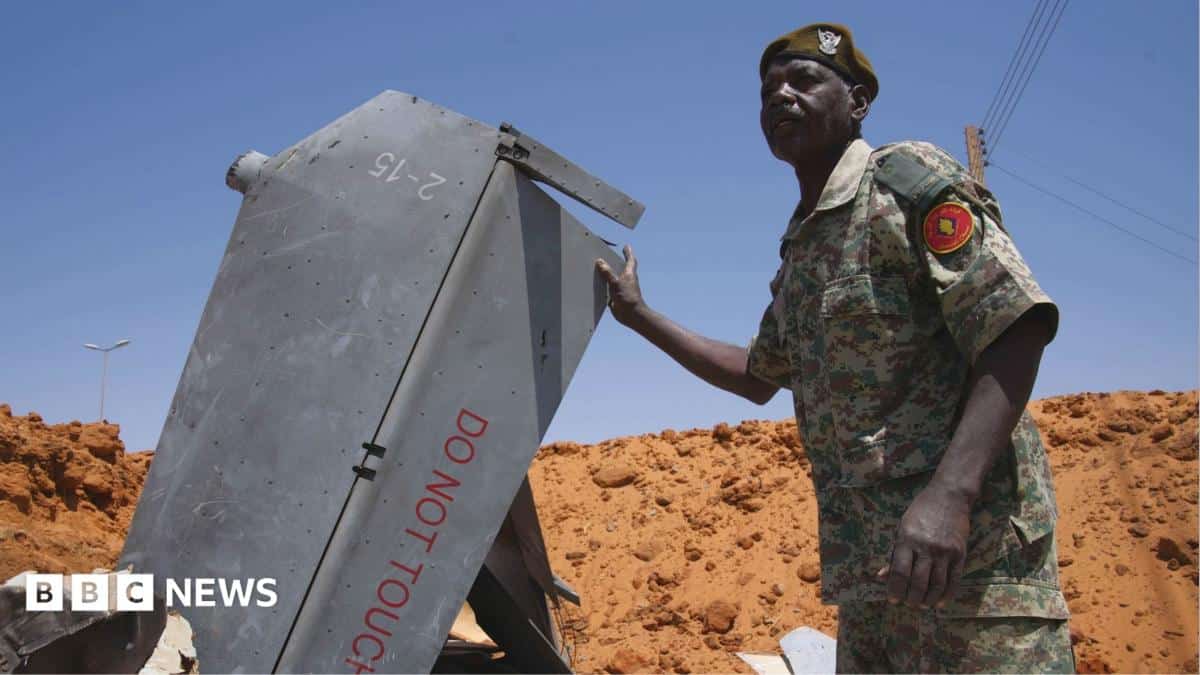
The report indicates that the Colombian mercenaries were involved in drone operations and provided artillery support, with evidence of their activities traced back to a UAE military training facility. CIG director Justin Lynch stated that this research is the first to confirm UAE involvement with certainty, highlighting the significant foreign support that has perpetuated the civil war.
The analysis included tracking mobile phones from Colombia to UAE military bases and further into conflict zones in Sudan, where Colombian fighters operated under the Desert Wolves brigade. This brigade, led by a retired Colombian army colonel, has been linked to various atrocities during the RSF’s siege of el-Fasher, which has been characterized by international observers as bearing the hallmarks of genocide.
The US government has previously sanctioned individuals and companies involved in recruiting Colombian nationals as mercenaries for the RSF, acknowledging their support in the RSF’s military operations. The report underscores the complex web of foreign involvement in the Sudanese conflict and raises questions about accountability for the violence inflicted upon civilians.