











Arabic version: نقاد ينتقدون خطة التعليم الخاصة بـ LGBTQIA+ في اليابان باعتبارها غير فعالة
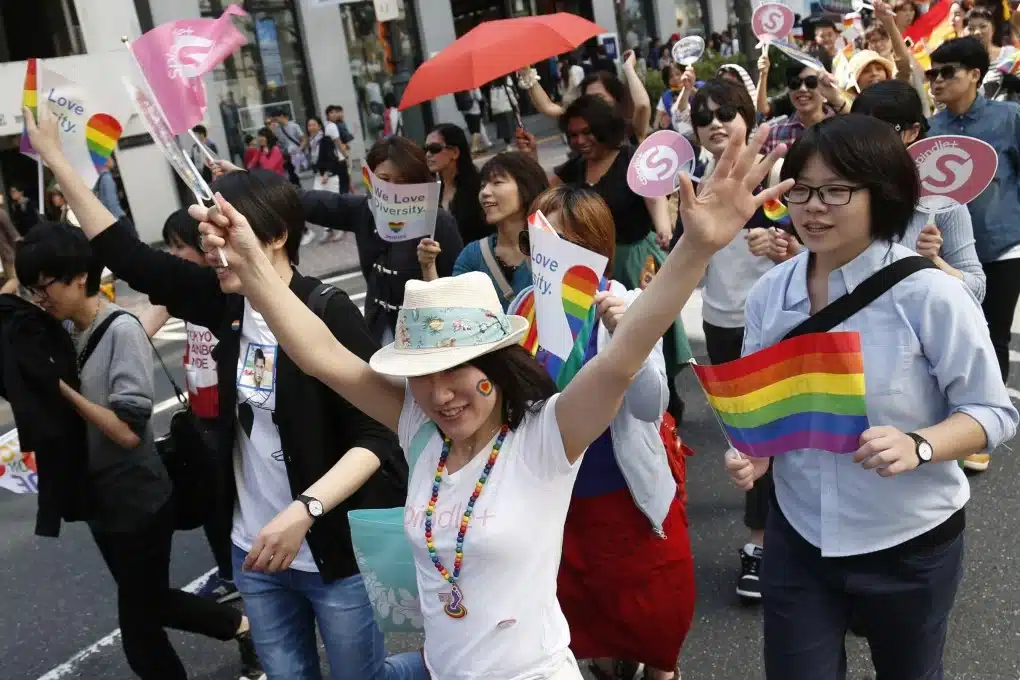
Japan’s first national LGBTQIA+ education plan is “inadequate” and could actually restrict information about sexually and gender diverse people being disseminated, experts and community members say. According to ABC News, the plan fails to establish mandatory measures to educate the public about sexual orientation and gender diversity.
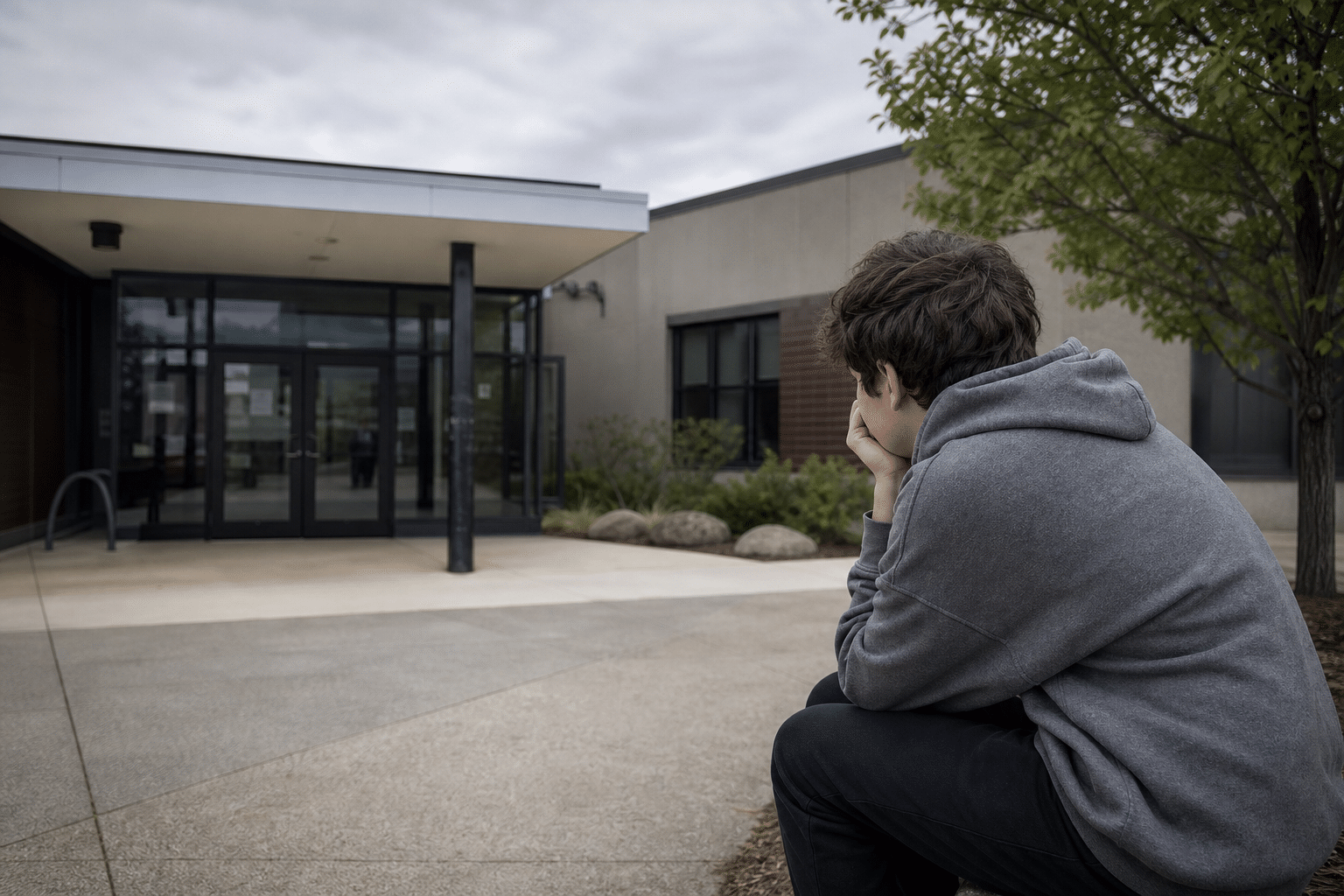
The plan, released late last month after three years of political wrangling, aims to provide educational resources across schools, universities, workplaces, and law enforcement. However, experts argue that the lack of legally binding requirements undermines its effectiveness. Matsuoka Soushi, a gay rights advocate, criticized the initiative as insufficient, highlighting that nearly 90 percent of LGBTQIA+ students reported harassment in schools over the past year.
The government intends to produce educational materials such as videos and pamphlets, but the specifics of these resources remain undisclosed. Critics, including Nodoka Yanagi, a Tokyo resident who identifies as a lesbian, expressed frustration over the absence of protective laws for the LGBTQIA+ community. Yanagi pointed out that despite her relationship being registered, significant disparities remain, such as the inability to claim tax relief available to married couples.
Dr. Hiroyuki Taniguchi, a law expert, noted that while the plan acknowledges the importance of living according to one’s sexual orientation and gender identity, it does not compel organizations to implement educational initiatives. He emphasized that the plan’s vague language could hinder progress towards enhancing LGBTQIA+ rights in Japan, allowing for conservative interpretations at local levels.
The Japanese government has stated it will review the education plan every three years. However, ongoing discussions about the legality of same-sex marriage in Japan, currently under review by the Supreme Court, highlight the broader challenges facing LGBTQIA+ rights in the country. A decision on this matter is expected in early 2027.