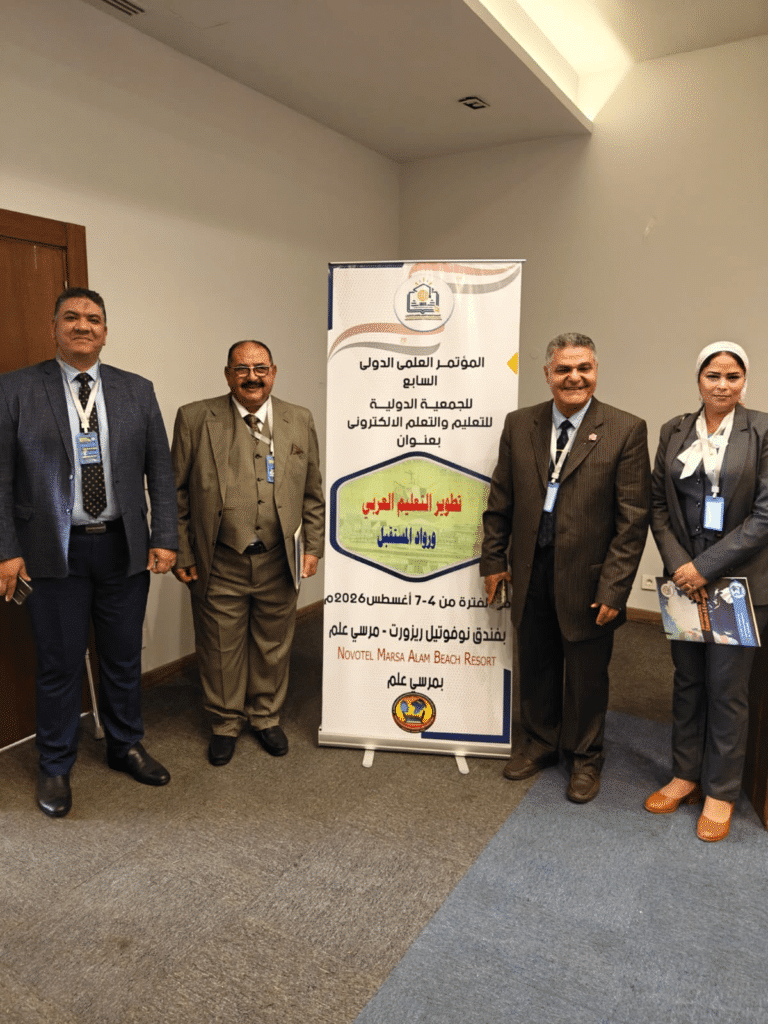
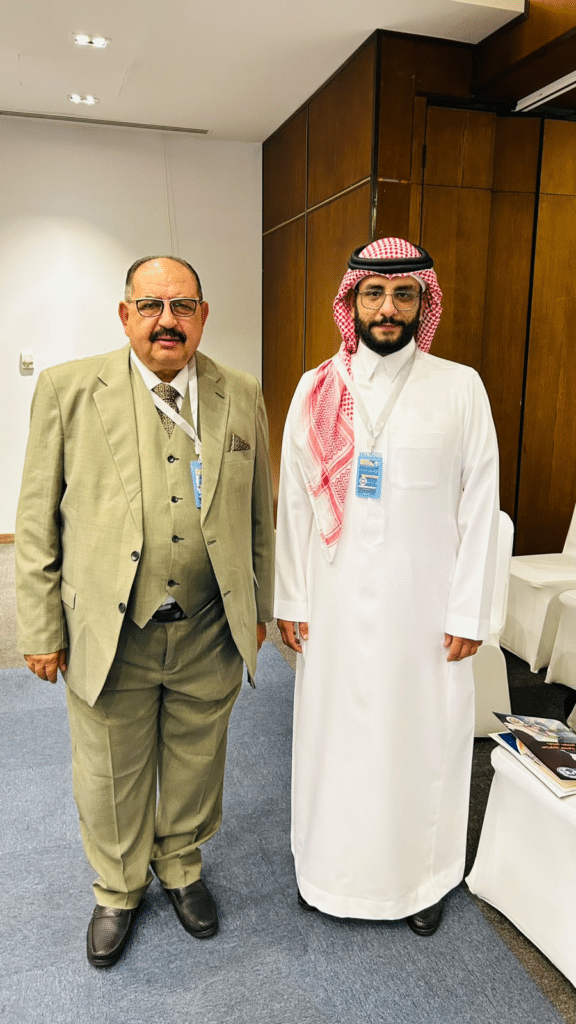
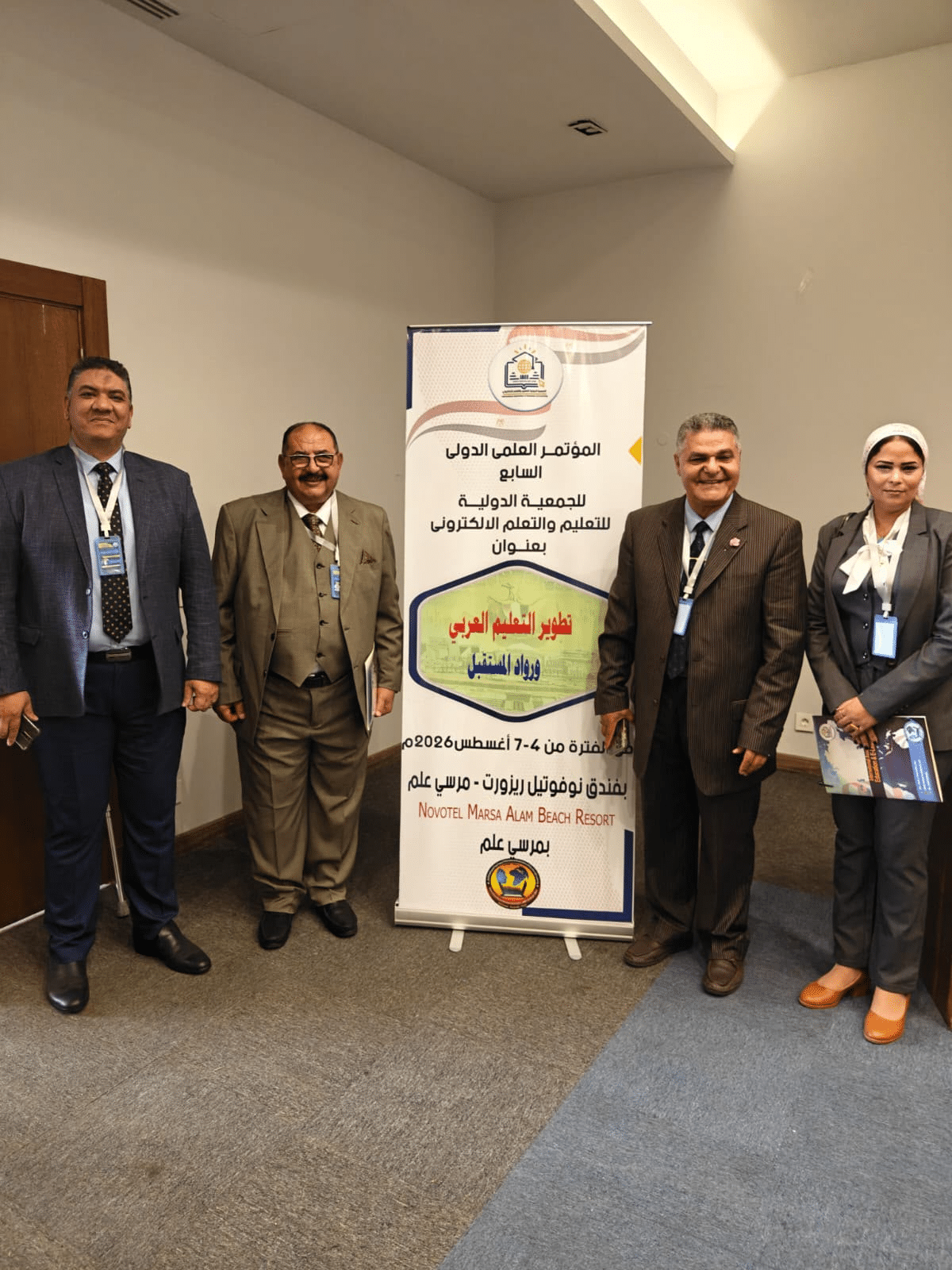
In a move reflecting growing interest in developing the Arab education system and keeping pace with rapid technological change, the Seventh International Conference organized by the International Association for e-Learning and Education convened under the theme “Developing Arab Education and the Pioneers of the Future.” The conference was chaired by Prof. Dr. Al-Gharib Zahir Ismail (Professor of Educational Technology, Faculty of Education, Mansoura University) and brought together a distinguished group of deans, university leaders, professors, and education experts from Egypt and several Arab countries.The timing of the conference was highly significant. The digital revolution, artificial intelligence, and technological transformation require reevaluating many traditional concepts and methods in education to ensure we build generations capable of meeting future demands and competing in local, regional, and international labor markets.The conference enjoyed strong academic participation, with a selection of university leaders, deans, researchers, and specialists contributing to rich scientific and intellectual sessions. This participation opened the door to exchanging expertise and visions about the future of Arab education.During the conference, a large number of research papers, case studies, and scientific studies were discussed, addressing issues related to education development, e-learning, digital transformation, and the use of modern technologies and artificial intelligence in teaching. Participants also explored ways to prepare and qualify future leaders capable of driving development and progress.The discussions went beyond mere presentation of research; the conference served as a genuine platform for scientific dialogue and exchange of experiences among specialists. This exchange led to a number of important recommendations aimed at supporting the advancement of Arab education and moving it toward greater integration with technology, innovation, and smart learning.Conference activities emphasized that education is no longer just the transmission of knowledge but has become a key driver of development and human capacity-building. True investment in the future begins with developing educational institutions, improving teacher competence, empowering students with modern technological tools, and encouraging scientific research and innovation.The discussions also highlighted the importance of expanding the application of smart learning models that leverage artificial intelligence and digital technologies to develop content, teaching methods, and assessment—while at the same time preserving the human and educational dimension of the learning process.The Seventh International Conference successfully combined academic expertise with a forward-looking vision, framing the development of Arab education within a broader goal: building human capacities able to confront the challenges of the age, not merely keeping up with technological progress.At the conclusion of its sessions, the conference issued a set of recommendations and insights that can serve as an important foundation for ongoing efforts to develop the Arab education system, strengthen cooperation among universities and research institutions, and encourage the exchange of successful experiences in e-learning and smart education.The real test after the conference is translating these recommendations and ideas into practical projects and programs that contribute to building a more innovative Arab education system better prepared for the requirements of the future.The conference, chaired by Prof. Dr. Al-Gharib Zahir Ismail, reaffirmed that the future of Arab education requires a renewed vision, genuine partnerships between academic and research institutions, and a firm will to move from talking about development to actually creating it and nurturing the pioneers of the future.In connection with the conference, it was honored by the attendance of leading figures in scientific, professional, and developmental fields, including:– Prof. Osama Mohamed Al-Abd (former President of Al-Azhar University; member of the Islamic Research Academy; Secretary-General of the Association of Islamic Universities)
– Major General Dr. Tarek Ammar (strategic and national security expert; National Security Advisor to the Arab Union for Leather Exports; member of the Economic Forum at the Arab League; exclusive Middle East representative for the London College of Specialized Sciences, UK)
– Prof. Iman Fiqi Ahmed (Professor of Curriculum and Science Teaching Methods; visiting professor at the University of Florida, USA)
– Prof. Sultan bin Huwaidi Al-Mutairi (Professor of Educational Technologies, Faculty of Education, King Saud University)
– Prof. Amani Mohamed Shebl (Dean, Faculty of Nursing, Sadat City University)
– Prof. Raifa Rifaat An (Dean, Faculty of Nursing, Mansoura Private University)
– Media personality Dr. Taqwa Ishaq Sadeq (Secretary-General of the Egyptian Association for Friendship Between Peoples; Executive Director of the London College of Specialized Sciences, UK; television program producer/host)
– Prof. Tarek Abdel-Moneim Hegazy (Assistant Professor of Educational Technology, Egyptian E-Learning University, private)
– Prof. Amal Rabie Kamel (Professor of Curriculum and Instruction; former Dean, Faculty of Education, Fayoum University)
– Mr. Mohamed Rashidi Abdo (Deputy Head, Information Systems Department, College of Computing and Information Technology, Islamic University, State of Minnesota, United States of America)
– Prof. Karim Akram (General Coordinator of the Conference)