












Reading in English | Read in العربية (Arabic)
JUBA — Failed rains have affected more than four million people across South Sudan, worsening hunger as insecurity continues to drive families from their homes, according to the United Nations.
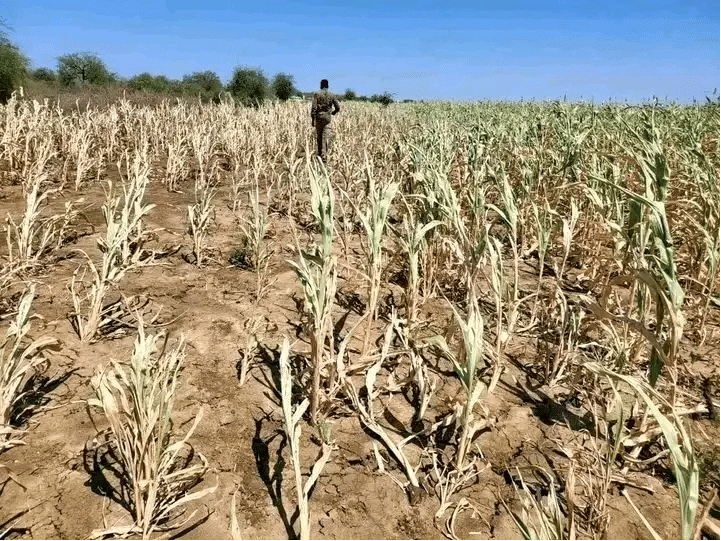
The UN Office for the Coordination of Humanitarian Affairs (OCHA) said more than 80 per cent of the country experienced extreme or exceptional drought between June and September 2026.
Crop failures and livestock losses have deepened hardship, while economic pressures have further reduced vulnerable households’ ability to afford food.
OCHA also reported rising humanitarian needs in Jonglei and Upper Nile states. Nearly 700 people displaced from Nyirol and Uror counties have sought shelter in Malakal, Upper Nile.
Many arrived hungry and dehydrated, with cases of malnutrition reported among children, the agency said.
Humanitarian partners are mobilising assistance, but insecurity and funding shortages continue to hinder the delivery of essential services.
Aid agencies recorded 680 incidents affecting humanitarian access between January and October — a 37 per cent increase compared with the same period in 2025 — highlighting the growing challenges facing relief efforts.