












Arabic version: تواصل إيبستين يشعل مناقشة صفقة أمنية بين إسرائيل وساحل العاج
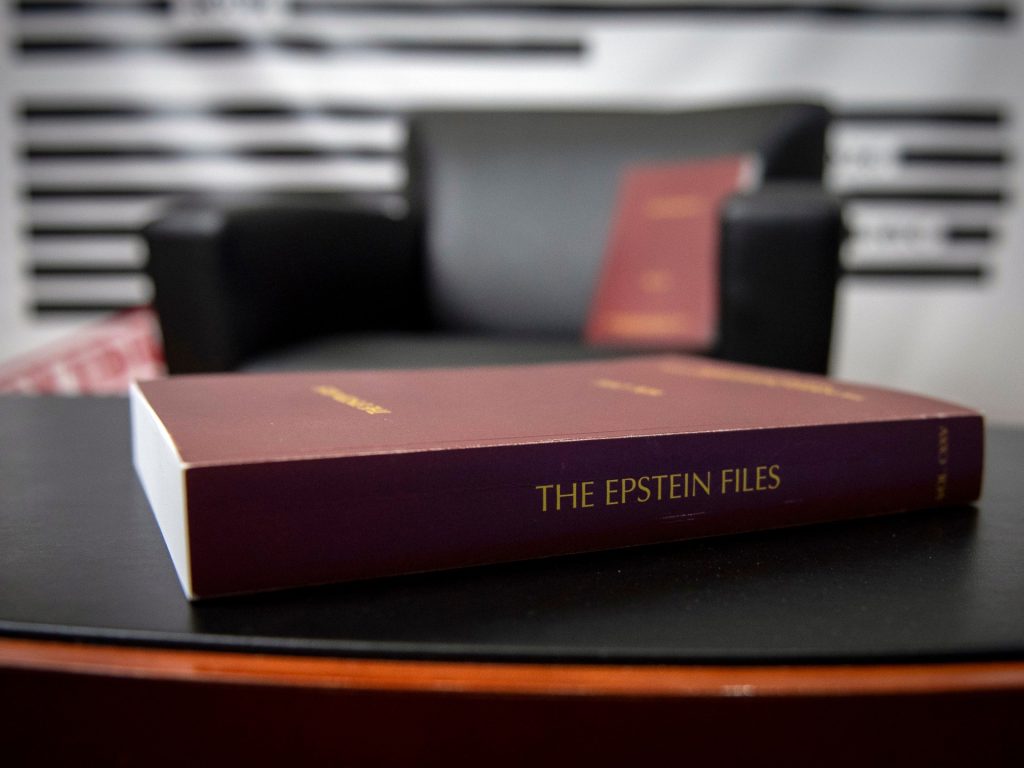
The release of over three million emails, photos, and videos from Jeffrey Epstein’s files has ignited controversy and led to resignations among senior officials in the United States and Europe. In Africa, the documents have revealed Epstein’s connections with influential political figures, including a relative of Ivory Coast President Alassane Ouattara. According to Al Jazeera, this link may have facilitated a proposal for a mass surveillance system in the West African nation by Israeli Prime Minister Ehud Barak.
The Epstein files indicate that discussions between Ouattara and Barak began in mid-2012, following Ouattara’s visit to Jerusalem. This meeting came shortly after an attempted coup against Ouattara’s government, which had recently emerged from a civil war. The documents also show that Ouattara’s son and niece met with Epstein in New York, further intertwining the former financier’s influence with Ivorian politics.
In late 2012, an Israeli delegation visited Ivory Coast, where Ouattara expressed interest in Israeli defense systems. Subsequently, in 2013, Barak presented a security proposal that included extensive military consulting and a surveillance center, though the deal was ultimately not signed due to its high cost.
Despite the rejection of the initial proposal, Israel and Ivory Coast have maintained a cooperative relationship, with agreements on defense and security signed in 2014. The Ivorian government has continued to procure military equipment from Israeli firms, indicating an ongoing security partnership between the two nations.