













Arabic version: الاتحاد الأوروبي يفرض عقوبات على المستوطنين الإسرائيليين بسبب العنف في الضفة الغربية
The European Union has approved new sanctions targeting Israeli settlers due to escalating violence against Palestinians in the occupied West Bank. This decision came during a meeting of the EU’s twenty-seven foreign ministers, following a notable increase in settler attacks since the onset of the Gaza war in October 2023. According to BBC News, the EU’s foreign policy chief, Kaja Kallas, emphasized the need to transition from stagnation to action, stating that extremism and violence have repercussions.
The sanctions were facilitated by a change in Hungary’s government, which had previously stalled the EU’s plans under former Prime Minister Viktor Orban, an ally of Israel. French Foreign Minister Jean-Noel Barrot announced on social media that the EU is sanctioning key Israeli organizations involved in supporting the violent colonization of the West Bank.
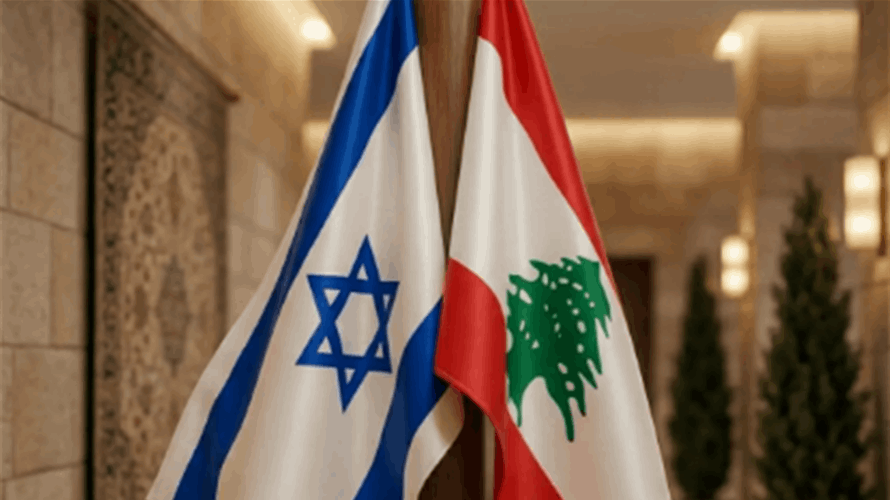
Israel’s Foreign Minister Gideon Sa’ar criticized the sanctions as arbitrary and politically motivated, asserting that Israel will uphold the rights of Jews to settle in their ancestral homeland. He claimed the EU’s decision reflects a misguided equivalence between Israeli citizens and Hamas terrorists.
The EU plans to sanction seven individuals or organizations linked to the settler movement, including Daniella Weiss, known as the ‘godmother’ of the settler movement, and organizations such as Nachala and Regavim. Reports indicate these groups promote settlements and assist unauthorized outposts. The EU is also set to impose additional sanctions on Hamas representatives.
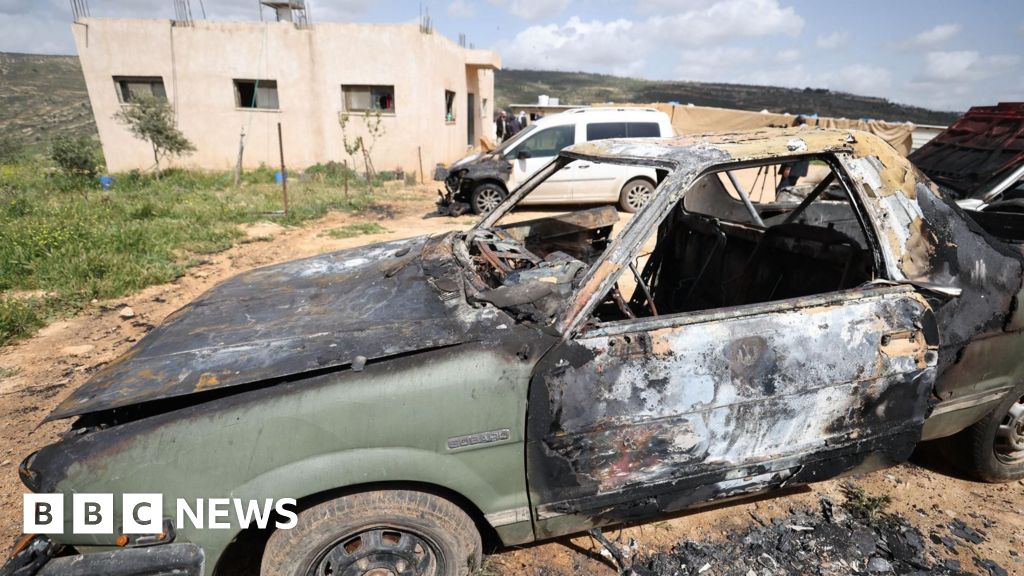
The ongoing conflict has seen Israel establish approximately 160 settlements, housing around 700,000 Jews since the 1967 Middle East war. The UN has documented more than 1,800 settler attacks in 2025, resulting in casualties and damage across numerous Palestinian communities. Recent incidents have included severe acts of violence, such as the forced exhumation of a grave and attacks on Palestinian villages, prompting widespread condemnation from human rights organizations.