












Arabic version: أوروبا تواجه هجمات إلكترونية وتهديدات بالقنابل واضطرابات
According to Cnbc, cyberattacks, suspected sabotage, hoax bomb threats and civil unrest have raised fresh questions about Europe’s ability to withstand modern security threats. Authorities have not established who was behind the incidents or whether they were connected, but experts said disruption to everyday services can create economic damage, public anxiety and pressure on governments without open military conflict.
On Monday, supermarkets in Belgium, Luxembourg, Sweden and the Netherlands found refrigeration systems set as high as 50 degrees Celsius, affecting Ahold Delhaize, IKEA, Colruyt Group and Carrefour. Retailers were forced to discard spoiled food. The episode followed an October cyberattack on hundreds of French supermarkets that caused fires, overheated fridges and food spoilage. French blood-bank refrigeration systems were later targeted in an apparently similar incident.
Fredrik Blix, a cybersecurity expert at Visente and associate professor at Stockholm University, said vulnerable refrigeration controls had been connected directly to the public internet and could be found and exploited with little technical sophistication. He said some systems were protected only by default passwords or easily guessed credentials, warning that publicity could encourage copycat attacks. Blix said companies should not connect industrial control systems directly online without proper security.
Elsewhere, suspected hoax bomb threats disrupted dozens of passenger flights, leading to diversions and, in some cases, fighter-jet escorts. Bomb threats also targeted news organizations including Sky News in the United Kingdom and Irish public broadcaster RTÉ. Sidharth Kaushal of the Royal United Services Institute said that, if Russia were responsible, such activity could be intended to show European leaders that the costs of supporting Ukraine can reach home. Russia denied involvement.
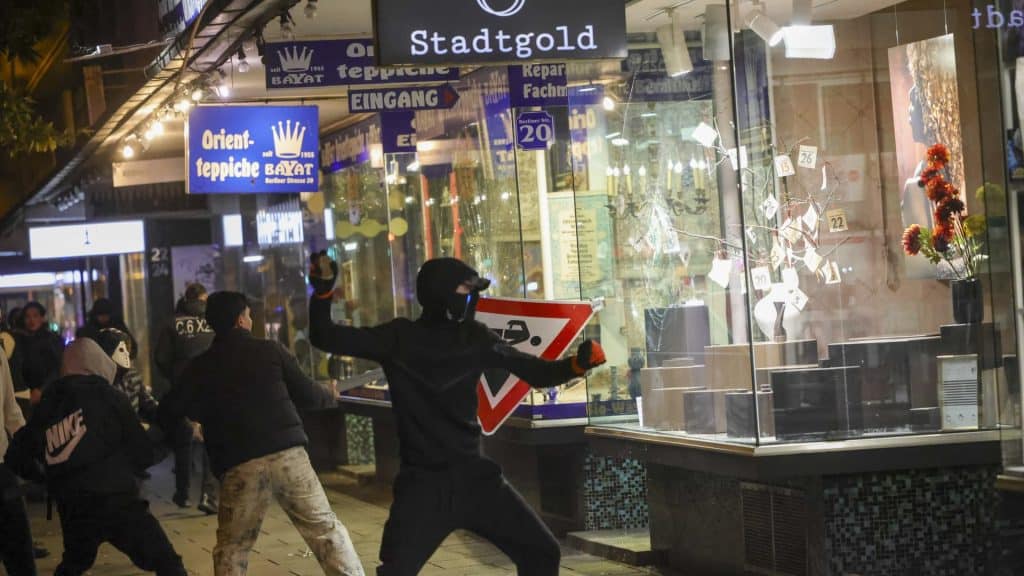
Experts described the incidents as part of a broader challenge from hybrid threats, which can combine cyberattacks, sabotage and disinformation. Oana Popescu-Zamfir of RUSI said Europe had been slow to prepare for a reality in which it is neither at war nor fully at peace. At the same time, protests, riots and strikes linked to high living costs have added domestic political pressure across several European countries.