











Arabic version: احتجاجات تسريب الامتحانات تسلط الضوء على أزمة وظائف الشباب في الهند
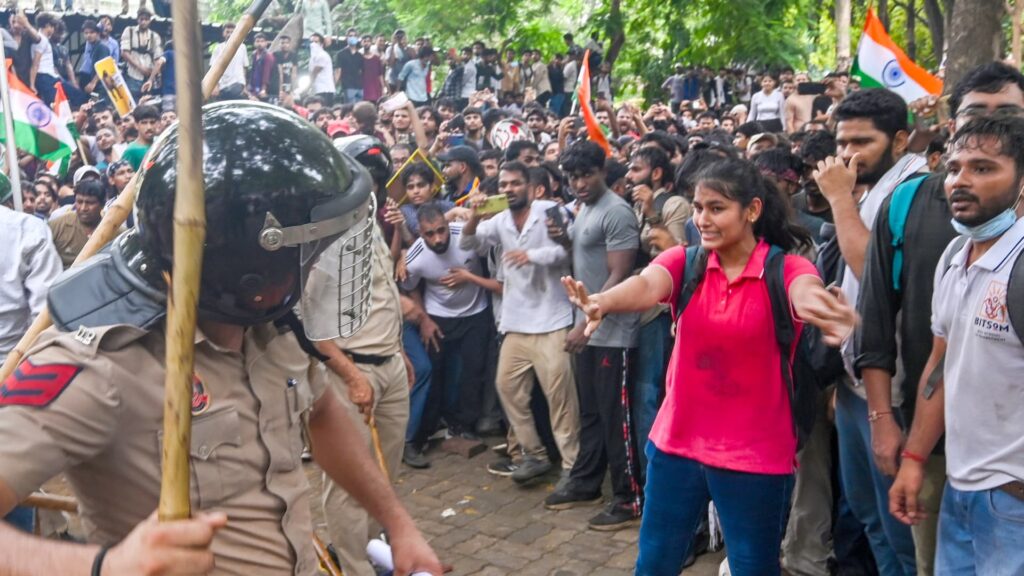
According to Cnbc, a leaked paper for India’s medical entrance exam sparked nationwide student protests, but economists say the anger reflects a deeper shortage of secure, well-paid jobs for young graduates.
The National Eligibility cum Entrance Test, or NEET, was retaken in June after papers were leaked in May. More than 20 students died by suicide after the leak, the report said. Students protesting in Delhi and other cities demanded accountability, with the Cockroach Janta Party, a social-media-focused youth movement, helping drive demonstrations.
India has the world’s largest Gen Z population, yet graduate unemployment among people aged 15 to 25 is close to 40%, according to the State of Working India 2026 report. Graduates accounted for two-thirds of the country’s unemployed in 2023. Applications for NEET rose 50% to more than 2.2 million between 2019 and 2026, National Testing Agency data showed.
Alexandra Hermann Prasad, lead economist at Oxford Economics, said the underlying problem is the limited supply of “secure, well-paid jobs.” Between 2004 and 2023, India produced roughly 5 million graduates annually, while only 2.8 million found jobs, according to the State of Working report.
Following the protests, Prime Minister Narendra Modi appointed Pralhad Joshi as Education Minister and announced a task force led by technology entrepreneur Nandan Nilekani to overhaul education. Parliament also passed a bill amending the anti-paper leak law, allowing penalties of up to 10 years in jail and a fine of up to 50 lakh rupees for those involved in exam leaks.