











Arabic version: خبراء يدعون إلى وضع ضوابط لصناديق المفاجآت الخاصة بالأطفال
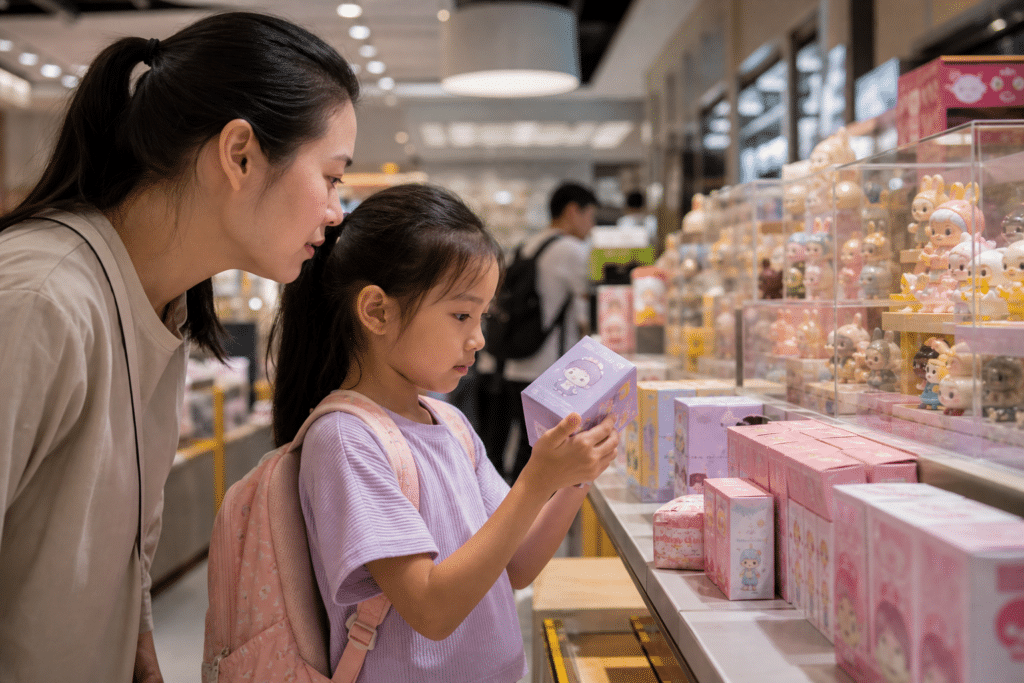
According to ABC News, blind boxes are sealed products, usually toys, whose exact contents are unknown until after purchase. Clinical psychologist and University of Technology Sydney lecturer Anastasia Hronis says the products have surged in popularity with social media. While they are not gambling under most legal definitions, experts say their uncertain outcomes and rare or “secret” items create similarities parents should understand.
Dr Hronis says blind boxes use “variable-ratio reinforcement”, a reward pattern also seen in poker machines, in which unpredictable wins can encourage people to return. César Albarrán-Torres, an associate professor at Swinburne University of Technology, says research found blind boxes can trigger anticipation, randomness, occasional joy and frequent disappointment—the same emotional states associated with pokies. He says there are preliminary indications that childhood use of gamble-play devices such as claw machines can be linked to gambling problems in adulthood.
Dr Albarrán-Torres says blind boxes are widely available in shops, vending machines, retail outlets and even beauty salons, often connected with children’s interests such as Disney. He says global annual profits are projected to reach US$24.2 billion, about A$34 billion, by 2033. China has prohibited blind-box sales to children under eight since 2023, while Singapore is taking steps to regulate them. He says Australian labelling on winning odds and age guidance is inconsistent, unclear and unregulated, and calls for more consistent display requirements.
Dr Hronis says collecting can help children build patience and budgeting skills when it remains bounded rather than becoming a repeated pursuit of rare outcomes. She advises parents to set budgets and purchase-frequency limits, avoid using blind boxes as comfort purchases or emotional rewards, and encourage children to wait until they are home before opening them. Parents can also use disappointment as a teaching moment and monitor whether occasional purchases become a constant preoccupation. Dr Albarrán-Torres recommends early conversations about risk, chance and loss.