












Arabic version: العائلة تشهد بأن ليندسي كلانسي طلبت المساعدة قبل عمليات القتل
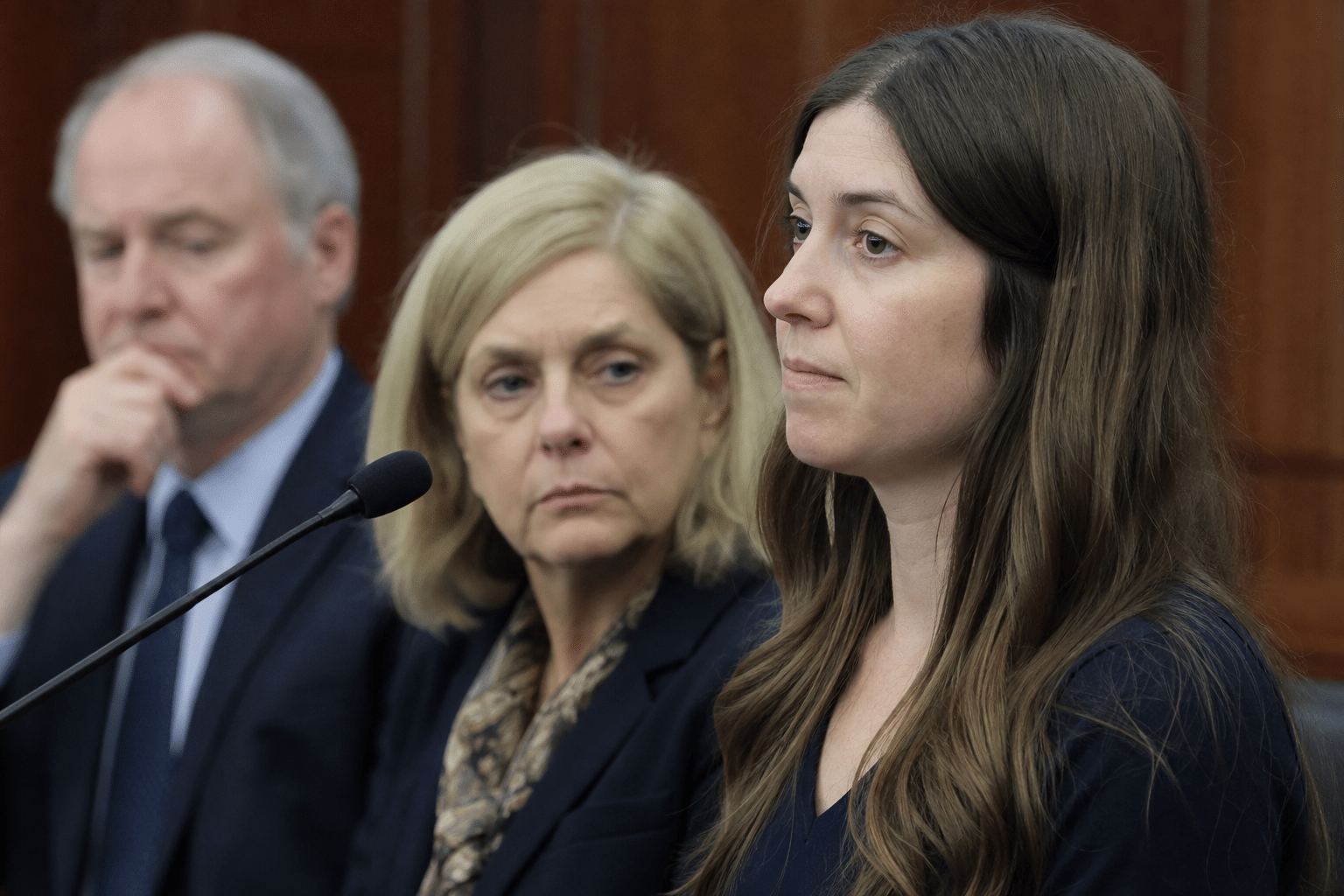
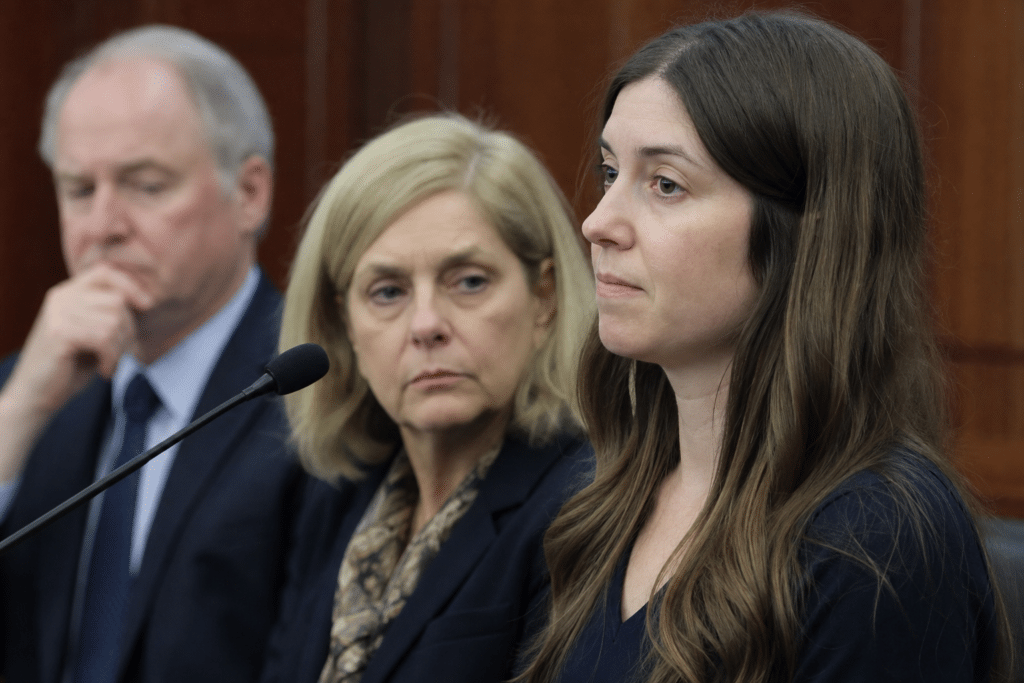
According to ABC News, family members told Lindsay Clancy’s triple-murder trial in Massachusetts that she struggled with her mental health for months before killing her three children and attempting to end her own life. Her former mother-in-law, Susan Clancy, testified that Lindsay Clancy had been “begging for help” in the months before the killings.
Clancy, a former labour and delivery nurse and mother of three children aged five and under, had experienced declining mental health after the birth of her third son, Callan. In an October 2022 message to her mother, Paula Musgrove, she wrote: “Mom, will you please come up and stay with me for a bit? I’m really sick. Something is wrong.” By December, she had told her mother and then-husband, Patrick Clancy, that she had thoughts of harming her children.
On January 24, 2023, Clancy took her daughter Cora to a doctor’s appointment and sent Patrick Clancy photographs of the children during the day. When he returned from errands, he found her paralysed in the backyard after she jumped from a bedroom window. Their two eldest children were found dead from strangulation in the basement, while Callan, then eight months old, died in hospital days later.
It is not disputed that Clancy killed the children. Defence lawyer Kevin Reddington argues that postpartum psychosis overcame a loving mother who had repeatedly sought medical help and received psychiatric medications. Her mother said Clancy was afraid to sleep alone and believed her medications “were destroying her mind.” Prosecutors have noted that doctors did not see signs of mania or psychosis, while showing she carried out normal activities on the day of the killings.
Psychologist Paul Zeizel, who spent more than 35 hours with Clancy and reviewed her records, testified that he found no evidence she faked or exaggerated psychiatric symptoms. If convicted of murder, Clancy faces life in prison without parole. If found not guilty because of a lack of criminal responsibility, she would be committed to a state mental health facility.