
















Arabic version: أقصى شمال كوينزلاند يتحدى ربيع الولاية الجاف
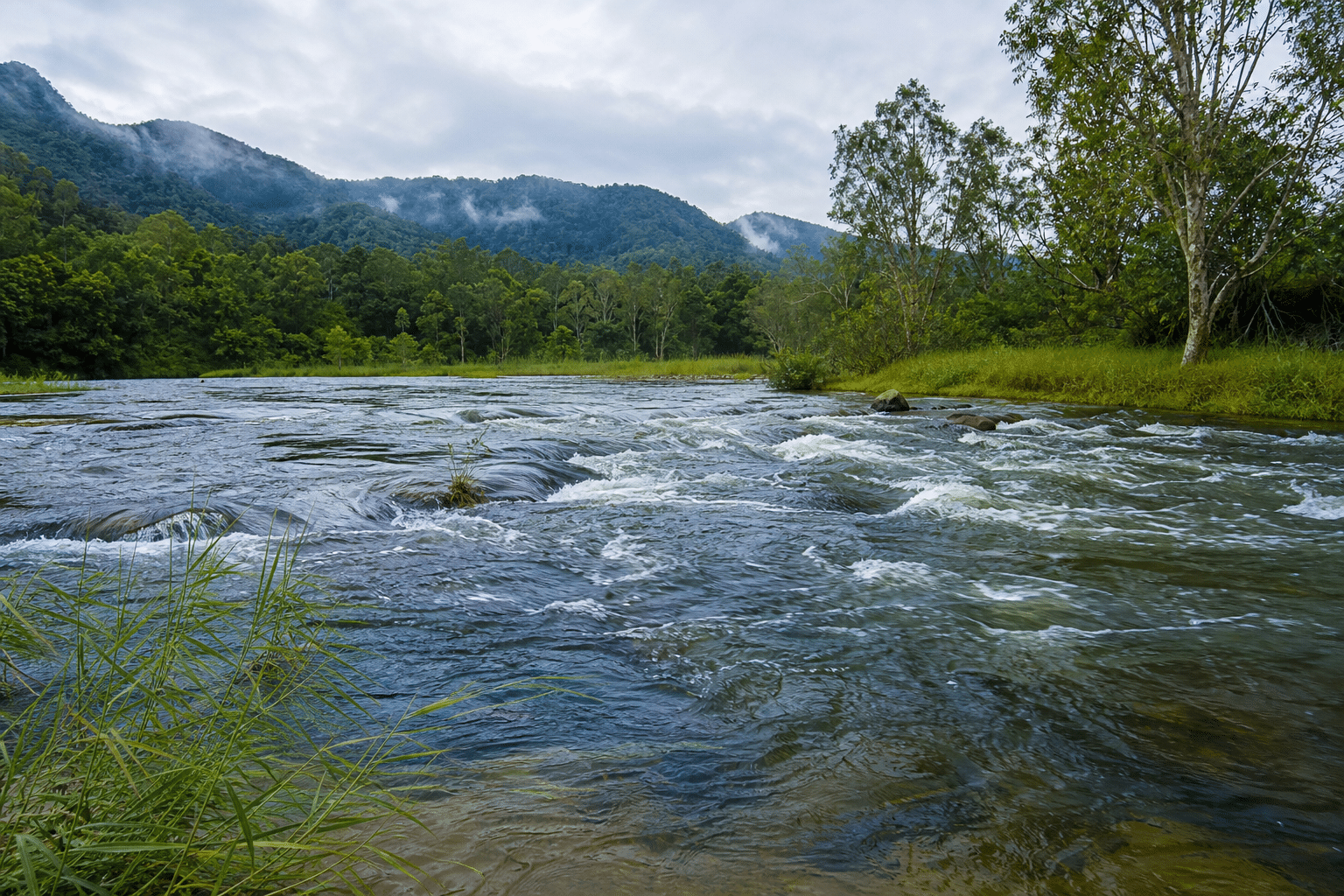
According to ABC News, unseasonal wet and cool conditions in Far North Queensland are forecast to continue through the end of spring, contrasting with dry conditions across much of the rest of the state. The Bureau of Meteorology said a persistent coastal ridge brought weeks of showers during September, keeping temperatures down and rainfall well above average in some places.
Senior forecaster Felim Hannify said similar weather patterns were expected for the remainder of spring, before temperatures rise from December as the wet season gathers pace. Sea surface temperatures along the Queensland coast were already above average and were expected to increase further over summer. Mr Hannify said warmer seas could support above-average rainfall and increase the risk of severe tropical cyclones, though not necessarily the overall number of cyclones.
September rainfall was particularly high along the north-east tropical coast. Cairns Airport recorded just under 97 millimetres, compared with an average of 34mm. Innisfail received up to 300mm, nearly three times its monthly average, while Kowanyama recorded nearly 15mm, close to six times its usual 2.4mm. Mr Hannify said parts of the south-east received “little or nothing” by comparison.
The prolonged showers also produced cooler conditions. Cairns Airport recorded an official average maximum temperature of 27.8 degrees Celsius in September, its coolest since 1994, against an average of 28.2 degrees. Mareeba recorded 26.7 degrees, equal to its all-time coolest average maximum temperature record set in 2006.
For growers, the wet and cool weather has slowed production and delayed flowering. Atherton Tablelands farmer Michael Coulston said banana production had been held back and avocado flowering was noticeably late. Innisfail grower Will Darveniza said wet conditions had delayed passionfruit flowering and affected pollination and flower set. Mr Hannify said El Niño may have contributed to the strength and orientation of the coastal ridge that drove the wetter September weather.