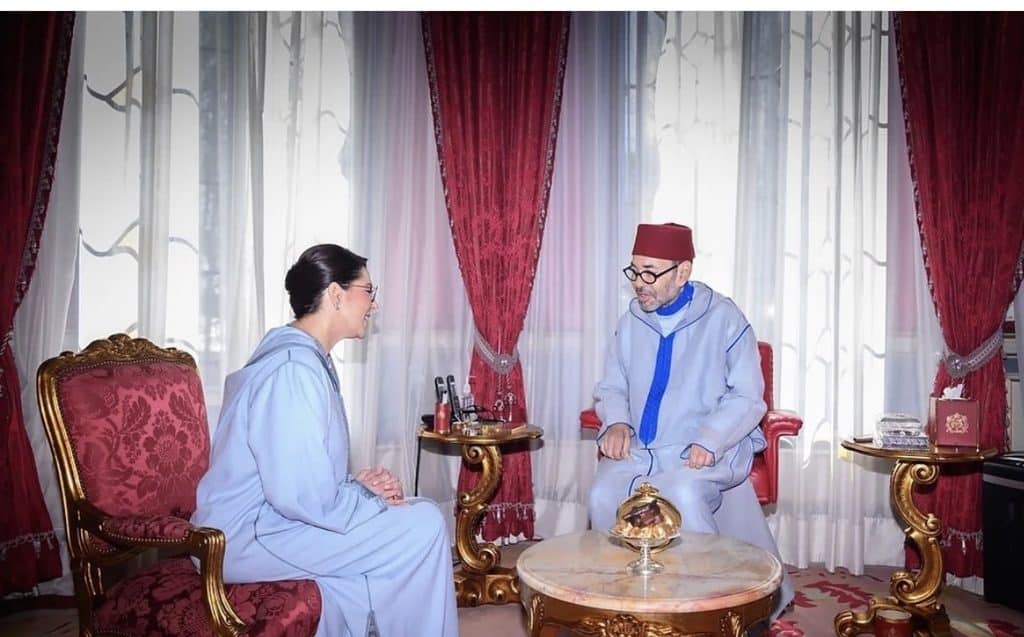
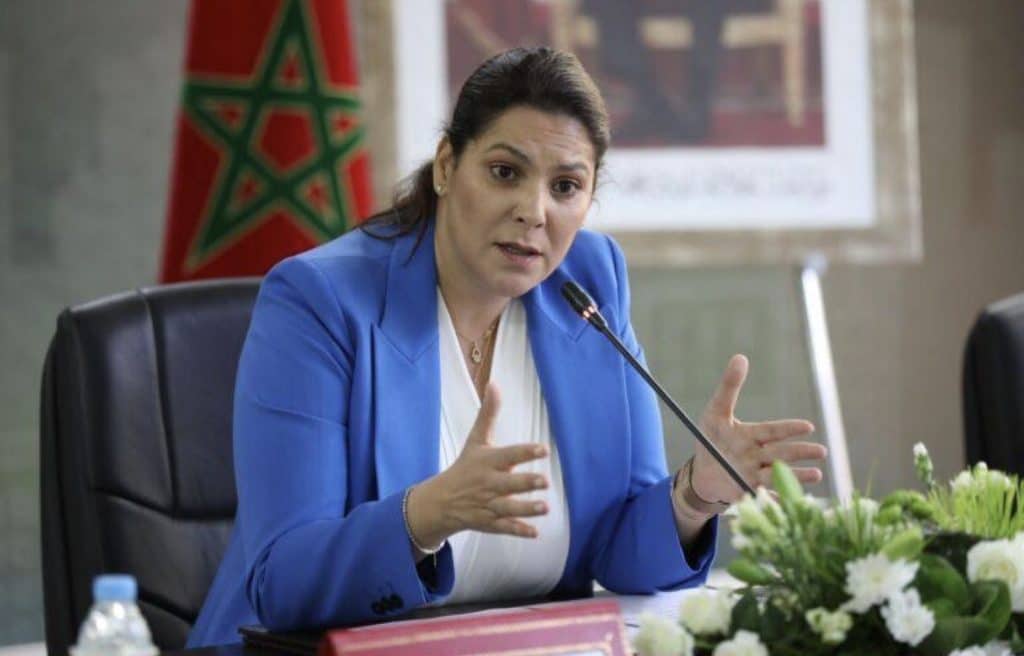
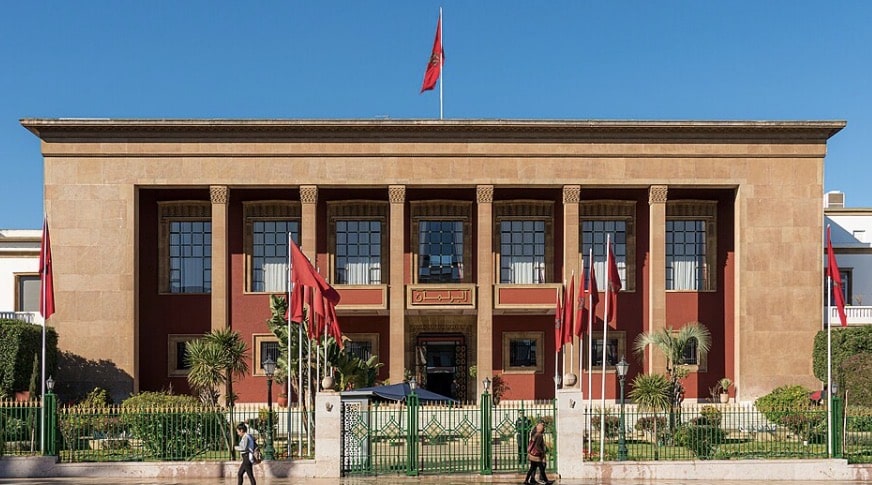
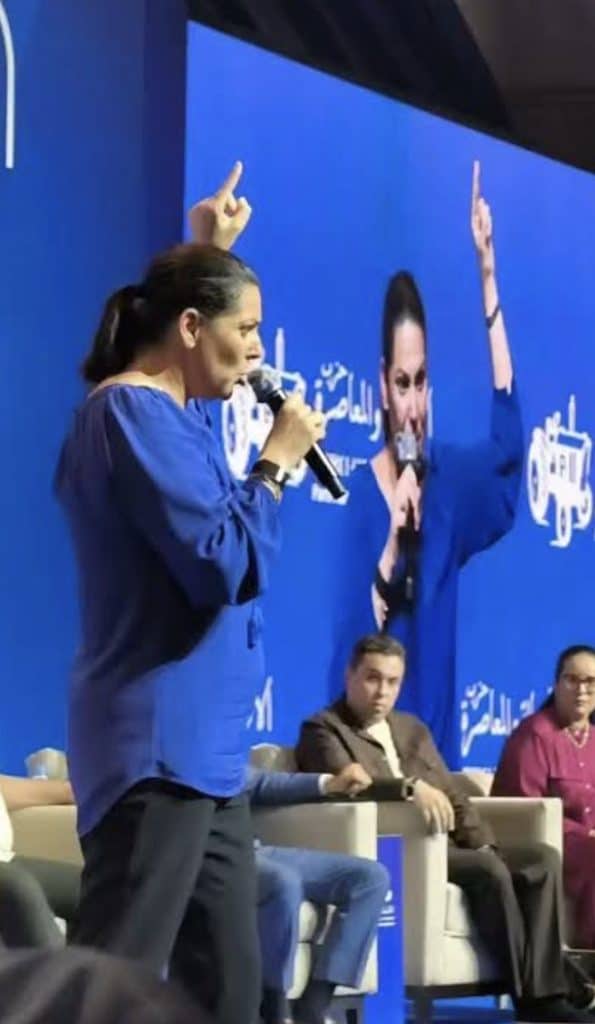
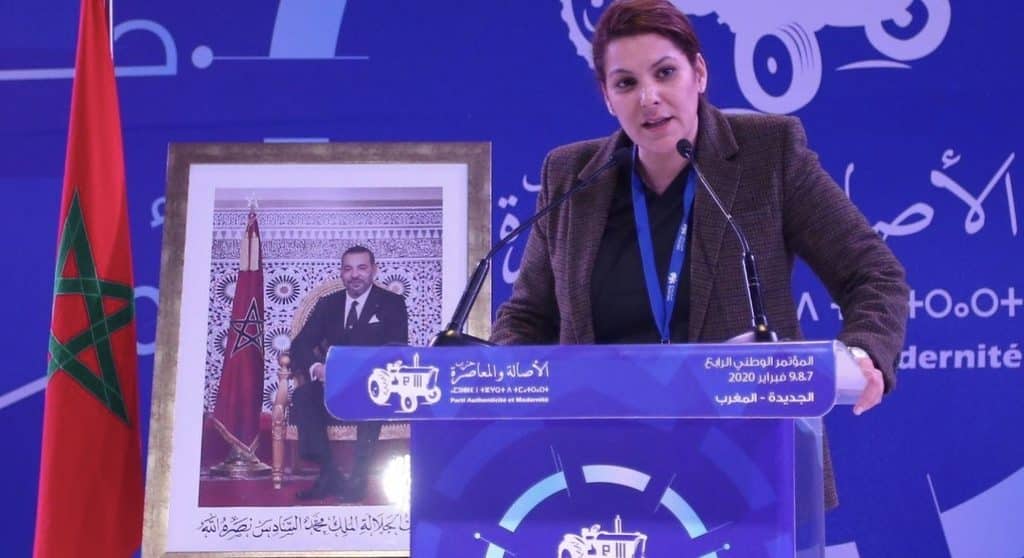
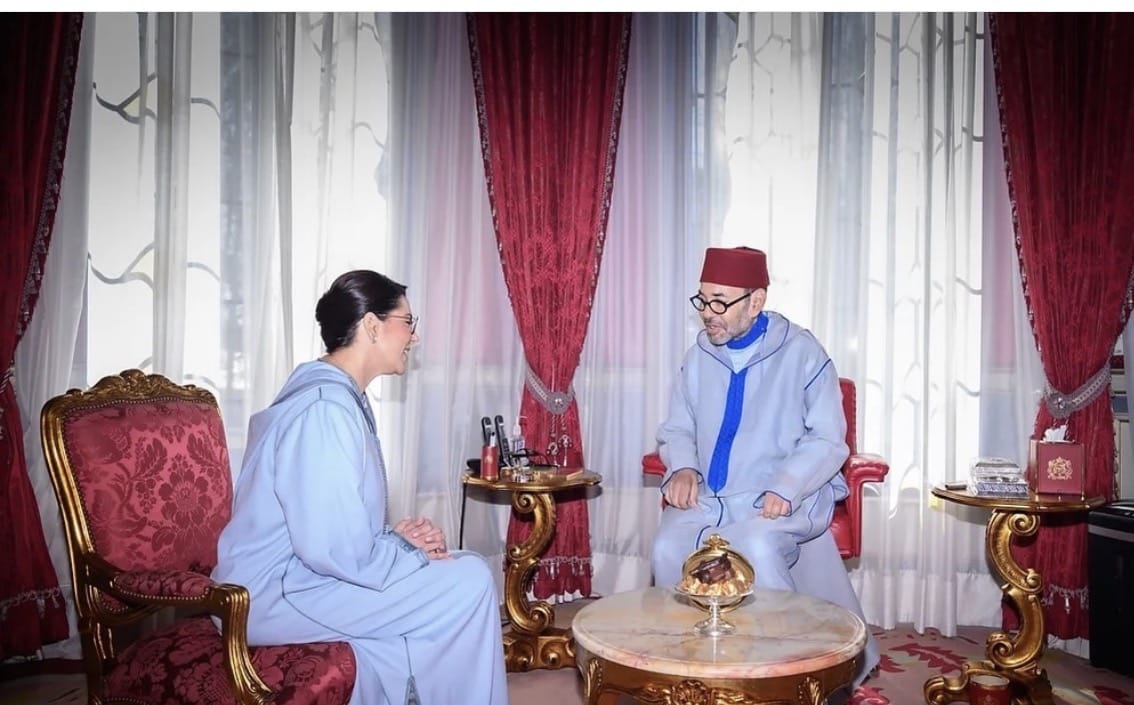
It is easy to write about Fatima Zahra Mansouri as the first woman to become head of government in Morocco and to dwell at length on the historical significance of this moment. But that angle, important as it is, is not enough to understand the phase that begins now.History has already recorded that a Moroccan woman has reached the head of government for the first time. The question that starts today is more complex: what will Fatima Zahra Mansouri do with the trust placed in her, and how will she handle the responsibility now before her?On 29 September 2026, His Majesty King Mohammed VI received Fatima Zahra Mansouri at the Royal Palace in Rabat and, under Article 47 of the constitution, appointed her head of government and tasked her with forming the new government. That reception was not merely a constitutional formality; it marked the start of a new political phase, one Mansouri enters with a clear royal mandate and high expectations from citizens.Mansouri herself, after the royal audience, spoke of her desire to propose a government that meets the expectations of His Majesty the King and all citizens, and she referred to the high-level directives she had received regarding managing the next phase.This is precisely where the real story begins.From Marrakesh to the head of governmentMansouri’s rise to this post was not a sudden jump from outside politics. Over nearly two decades she accumulated experience at the local, parliamentary, party and governmental levels.Her political path began in Marrakesh, where she chaired the municipal council from 2009 to 2015, then moved into parliamentary work before joining the government in 2021 as Minister of Spatial Planning, Urbanism, Housing and City Policy. She also chaired the national council of the Authenticity and Modernity Party and, since 2024, has served as coordinator of the party’s collective leadership.This trajectory matters because it brings her to the head of government with knowledge of the state from multiple angles: the municipality and city, parliament, party, and then government.During her tenure at the Ministry of Spatial Planning, Urbanism, Housing and City Policy, she dealt with files that directly affect citizens’ daily lives—from housing and urban planning to rural development, the reconstruction of areas damaged by the Al Haouz earthquake, and housing support programs.This experience is not simply a line on a résumé. It is experience in how decisions move from the minister’s office to the administration, from the administration to local authorities and territories, and finally to the citizen.Now Mansouri will need to transfer this expertise from a single sector to the scope of the entire government.From a ministry to leading the governmentThe head of government is not simply a larger ministry.A minister manages a specific sector, whereas the head of government must lead the work of the entire government and ensure its coherence. Under her authority the government implements the program and enforces laws; she chairs the government council that discusses public policy, public regulations, draft laws, the draft finance law, and other core matters.The difficulty lies in the fact that government files are no longer separate.Housing is linked to urban planning, transport and job opportunities. Education is tied to the economy and the labor market. Health is connected to the budget, human resources and administration. Social protection requires financing, effective management and precise targeting. Investment is not only about money but also about administration, law, infrastructure and the speed of decision‑making.Therefore the biggest challenge for Mansouri will not be in knowing the files, but in integrating them into a single governmental vision, setting priorities, monitoring implementation and correcting imbalances as they arise.From decision to outcomeThis will perhaps be the toughest equation the new government faces.Citizens do not live inside government programs; they live the results.The government may announce an education reform, but citizens will judge it by the school their children attend. It may announce a social policy, but its true effect will be seen in a family’s ability to cope with living costs. It may launch an economic program, but citizens will ultimately look for a job, an investment opportunity, or faster, more efficient administrative services.So the question before the head of government will not only be: what will she announce?But: what will she implement? When? With what resources? And how will she measure results?Here the head of government differs from a ministerial role. Mansouri will no longer be responsible for a single sector; she will be expected to coordinate the work of the entire government team, follow up on governmental commitments, engage with parliament and public opinion, and bear political responsibility for the government’s performance.Weighty issues on the tableThe new government will face issues Moroccans know well: purchasing power, employment, education, health, social protection, housing, investment, public administration reform, water, energy, territorial development and reducing disparities between regions.But the weight of these issues does not mean solutions can be immediate.Some reforms require legislation; others need decrees and regulations. Some require financial resources, and some take years before their full results are visible.Hence priorities become an essential part of leadership.The government cannot do everything at once, nor deal with all files at the same speed. Its ability to determine what must come first, what needs gradual reform, and what can be postponed will be one of the most important political tests it faces.What will Mansouri do with what she has learned?Perhaps this is the most important question in her new experience.Mansouri does not reach the head of government without already knowing how the state works. She was part of the government and confronted complex files in housing, urban planning, spatial planning, rural development and reconstruction.Her ministerial experience showed that implementing public policies depends not only on political decisions but also on effective administration, resources, coordination between institutions, cooperation with local authorities and actors, and the ability to handle legal and on‑the‑ground complexities.The test now is whether she can turn this sectoral experience into a more effective way of managing the government’s work as a whole.The first woman — but that is not everythingThe historic significance of a woman reaching the head of government in Morocco cannot be understated.Mansouri thus opens a new page in the history of women’s political participation in Morocco, and her arrival can be an important milestone in making women’s presence in decision‑making roles more commonplace.But reducing her experience to the fact that she is a woman would itself be a reduction.After her appointment, Mansouri faces responsibilities that go beyond representing women. Before her is a citizen looking for work, a family coping with the cost of living, a young person seeking a better future, a patient awaiting healthcare services, an entrepreneur wanting more efficient administration, a farmer facing water challenges, and a citizen wanting to see the impact of public policies in daily life.This is the space in which the new government will be tested.Between royal trust and the expectations of MoroccansMansouri begins her mission in a context with two intertwined dimensions.The first is the royal confidence expressed by King Mohammed VI in appointing her and assigning her to form the new government, along with the directives that accompanied that step.The second is the expectations of Moroccans, for whom tangible results in daily life will be the main measure of the government’s performance.Trust here should not be understood as an open‑ended mandate, but as a responsibility that demands work, results and accountability.The new phase will not be measured only by the importance of the historic event, but by Mansouri’s government’s ability to turn the mandate into action, programs into measures, and measures into results.The head of government within the state’s institutionsAt the same time, understanding Mansouri’s task requires placing it within the constitutional and institutional framework of the kingdom.The head of government does not operate outside state institutions, nor does she make every decision alone. The constitution defines the powers of the King, the ministerial council, the government, the head of government and parliament; each institution acts within its remit.Therefore the strength of the head of government is not measured by holding all decisions, but by her ability to lead government work within the powers granted by the constitution, coordinate ministers, ensure implementation of the government program, oversee the administration, and engage with parliament and public opinion.This makes the coming phase more a test of governance, coordination and implementation than of rhetoric.From “the first” to the one responsibleSoon the phrase “the first woman” will recede from the headlines.Government files will begin, consultations on its formation will continue, the government program will be presented, parliament will begin questioning the government, and daily decisions, the budget, implementation and reforms will become the main focus.Here Mansouri will appear not only as a historical symbol but as a head of government bearing a royal mandate and political responsibility before institutions and citizens’ expectations.History has recorded that she is the first woman to reach this office.But politics does not stop at recording firsts.After the moment of being “the first” comes the period of responsibility. After the celebration, the work begins. After the first photograph come the files that cannot be summed up by a headline.Therefore the real question that begins today is not how a woman in the head of government will look, but how Fatima Zahra Mansouri will manage this responsibility, how she will form her government, how she will set priorities, how she will monitor implementation, and how she will explain to Moroccans what has and hasn’t been achieved.The historic moment ended with the issuance of the appointment decision.The heavy task has started now.