
Arabic version: عائلة في غزة تكافح لإطعام سبعة أفراد
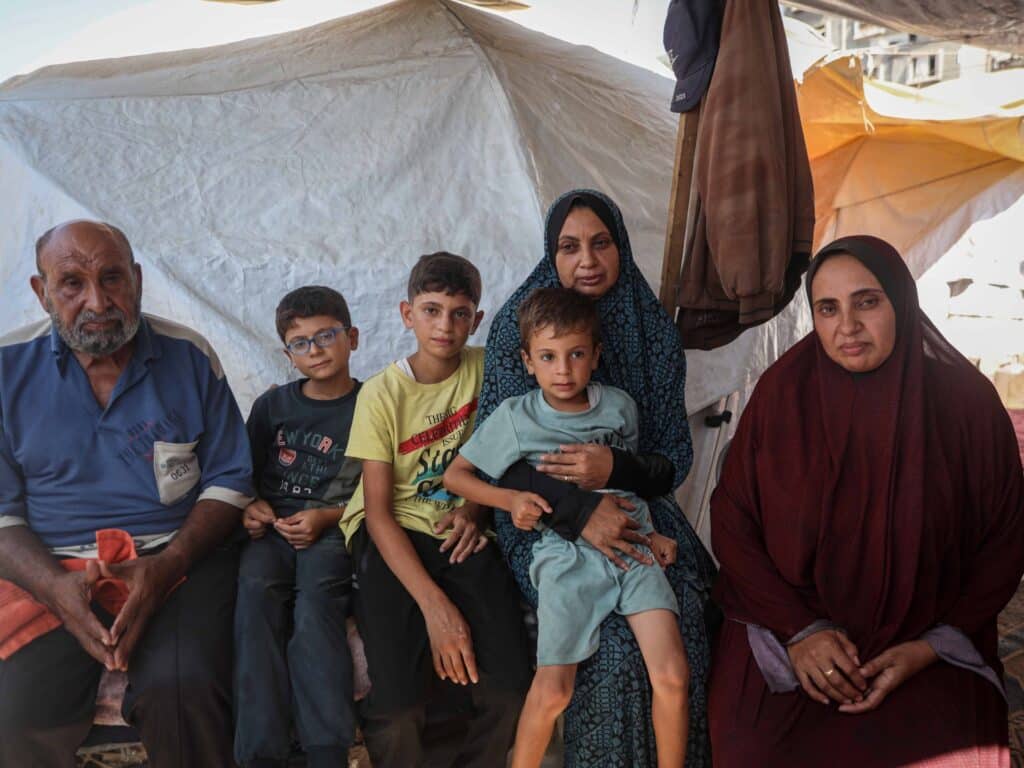
According to Al Jazeera, Mervat Radwan relies on a community kitchen near her displacement camp to help feed a household of seven in Deir el-Balah. When meals are available, she takes a pot with her nephew Ubay, but the food rarely stretches far enough, leaving her to add tuna, beans or peas from aid parcels.
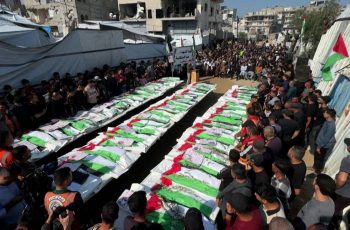
Radwan, 45, became guardian to her nephews Nayef, Habib and Ubay after an Israeli air attack in northern Gaza on October 18, 2024, killed her brother Mohammad, his wife Anwar and their one-year-old son Yosuf. The surviving children were injured: Nayef had shrapnel lodged in his head, Habib suffered burns, and Ubay sustained severe burns. They now live in a tent with Radwan, her 70-year-old father and her sister Sanaa, with no regular income.
Community kitchens have become less dependable as funding shortages and operating costs affect food and cooking supplies. The United Nations Office for the Coordination of Humanitarian Affairs reported that daily production fell from about 1.5 million meals at 165 kitchens in mid-March to 698,000 meals from 102 kitchens by July. The kitchen near Radwan’s site had closed for almost two months before reopening only two days a week.
Fresh food is also difficult for the family to afford. Cucumbers cost about 15 shekels ($4.50) per kilogram, while tomatoes cost 10 to 12 shekels. The World Food Programme said in July that 77 percent of Gaza households reported difficulty obtaining fresh vegetables, fruit and protein because limited incomes could not cover high prices. Habib has had kidney stones for about a year, which doctors linked to a salty diet based almost entirely on canned food. When supplies are scarce, Radwan said, adults skip meals so the children can eat.