












Arabic version: انقطاعات الكهرباء تشل الرعاية الحرجة في مستشفيات غزة
Patients at Gaza hospitals are experiencing repeated blackouts that leave vital medical equipment unusable and force long delays for treatment.
According to Al Jazeera, a six-hour outage at Al-Aqsa Martyrs Hospital in Deir el-Balah left a patient without an X-ray and many others unable to receive timely care. Israel’s bombing since October 7, 2023 has destroyed or rendered inoperable 38 hospitals and 96 primary healthcare centres, and about 90 percent of Gaza’s power lines have been destroyed, forcing hospitals to rely on generators. A blockade has caused severe fuel shortages and led staff to use non-original engine oils, which has caused generator malfunctions and reduced performance.
The depletion of main generators has been acute: most of Al-Aqsa’s primary units failed in early May 2026, prompting reliance on secondary generators, solar panels or reductions in operations. The article reports that near-daily air raids since a so-called ceasefire in October 2025 have killed at least 1,092 people and injured 3,507, increasing patient flows while hospital energy systems struggle to keep up.
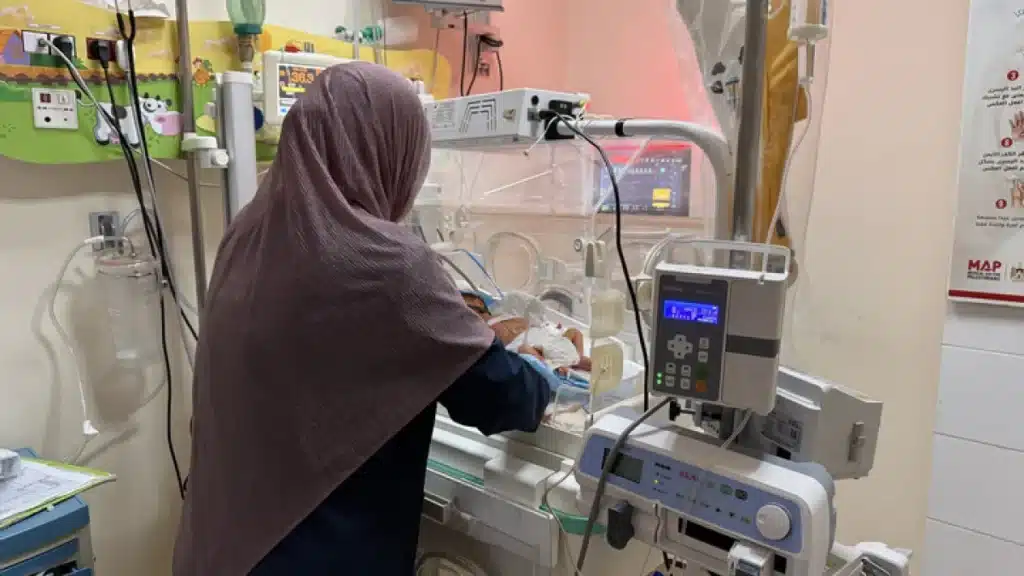
Intensive care units, operating rooms, anaesthesia departments and neonatal care are particularly impacted, with surgical teams forced to shorten or delay procedures until power stabilises. Outages of internet and electronic systems also prevent administrative staff and nurses from accessing or recording patient data and hinder communication between departments. Hospital engineers and medical staff describe overloaded generators, worn components and increased technical malfunctions after months of continuous operation.
This matters because interruptions to critical departments can lead to life-threatening complications, including for newborns in incubators, and because the limited number of working generators creates a real risk that essential services could be suspended if failures or fuel shortages continue. Thousands of patients and medical staff are affected by the routine power cuts and by the continuing flow of casualties and disease that the outages exacerbate.
What happens next: hospitals urgently need new generators, spare parts, fuel and immediate technical support to avoid suspension of essential services and to maintain care for patients, according to the reporting.
Related sections: Arab | Middle East/الشرق الأوسط | General | World/العالم