













Arabic version: الجيل إكس يواجه مخاطر تقاعد مرتبطة بتوقيت السوق
According to Cnbc, Gen X investors nearing retirement face heightened exposure to an ill-timed market downturn as they continue building savings while approaching the stage of drawing retirement income.
Gen X, roughly people born between 1965 and 1980, was heavily affected by the shift from defined-benefit pensions to defined-contribution plans. Only 14% of Gen X workers have a traditional pension, compared with 56% of baby boomers, according to Alliance’s Retirement Income Institute research cited by CNBC.
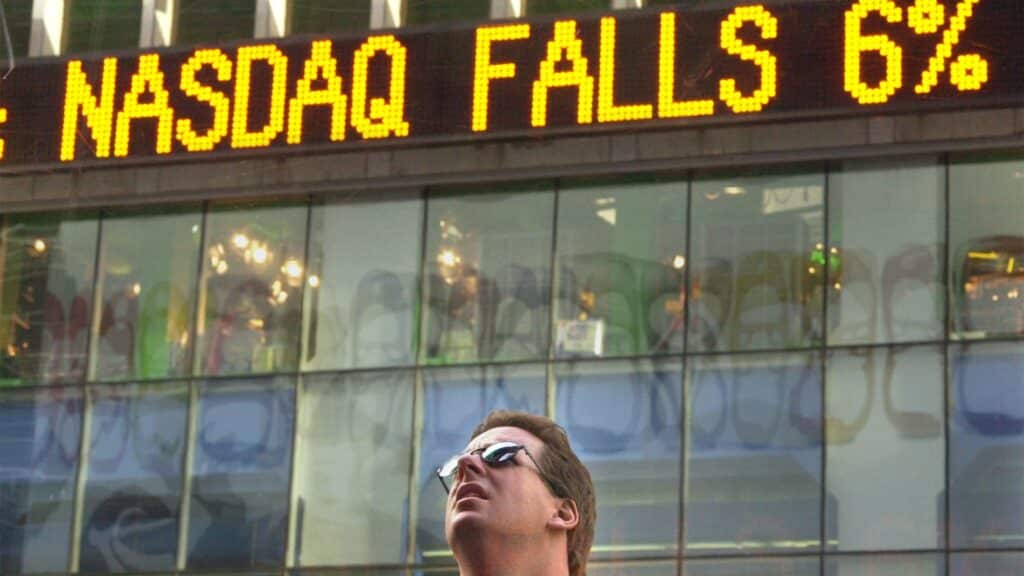
The dot-com bust illustrates the potential timing problem. Amazon shares bought at their 1999 peak took about a decade to reclaim that level in late 2009. The S&P 500 bottomed in October 2002 and took nearly five years to reach a new high in 2007, before the Great Recession wiped out that level. From the March 2009 low, the index took another four years to clear its prior 2007 peak in March 2013.
Certified financial planner Ernie Cave said investors close to retirement should distinguish between money needed soon and assets intended for long-term growth. He said his firm typically seeks about two years of expected portfolio distributions in cash or very short-term investments, with roughly five years of anticipated withdrawals covered by cash, Treasuries, CDs and high-quality bonds.
Other approaches include a glide path, which gradually shifts a portfolio from stocks toward bonds as retirement approaches, and a temporary “bond tent” that increases bond holdings before and after retirement. Advisors also warned about concentration in cap-weighted S&P 500 funds, with Mike Dunlop saying seven companies account for more than 30% of the index. Their central concern is sequence-of-returns risk: selling depressed investments to fund living costs can prevent those assets from participating in a later recovery.