













Arabic version: قطاع الشحن العالمي يتكيف بعد اضطرابات الصراع الإيراني
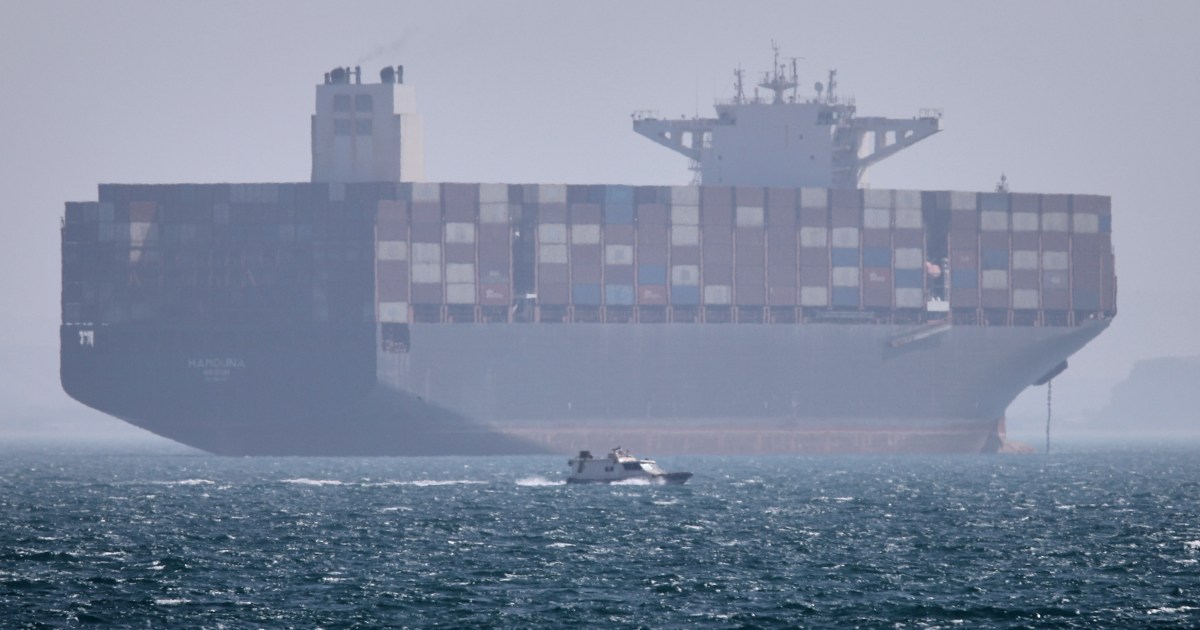
The United States-Israel war on Iran has inflicted the greatest disruption to merchant shipping since the back-to-back shocks of the COVID-19 pandemic and Russia’s invasion of Ukraine. Since the start of the war in late February, shipping lines have faced attacks on their vessels, lengthy delays and steep rises in operating costs.
According to Al Jazeera, despite the turmoil, analysts suggest the long-term effects on the shipping industry may be minimal. While companies will likely incorporate risk assessments into their operations and diversify supply chains, the indispensable nature of seaborne trade means the industry is likely to continue much as before over the long term. The container shipping sector, in particular, is not as heavily affected by disruptions in the Strait of Hormuz, allowing for alternative routing of vessels.
Shipping firms are showing resilience, with reports indicating that container capacity has rebounded to pre-war levels on several routes. Following a memorandum of understanding aimed at ending the conflict on June 17, companies like Maersk and Hapag-Lloyd have resumed operations through the Suez Canal for the first time since February.
Experts predict that the shipping industry will continue to mirror its previous state, driven by consumer demand for goods ranging from agricultural products to electronics. The International Maritime Organization is also prioritizing maritime security and safety, recognizing the broader implications of the conflict on global trade and supply chains. As shipping companies adapt to these challenges, the emphasis will likely shift toward enhancing international cooperation to safeguard trade routes and ensure the continuity of global commerce.