











Arabic version: غوغل توقف ميزة الذكاء الاصطناعي في «غوغل إيرث» بعد مخاوف من المعلومات المضللة
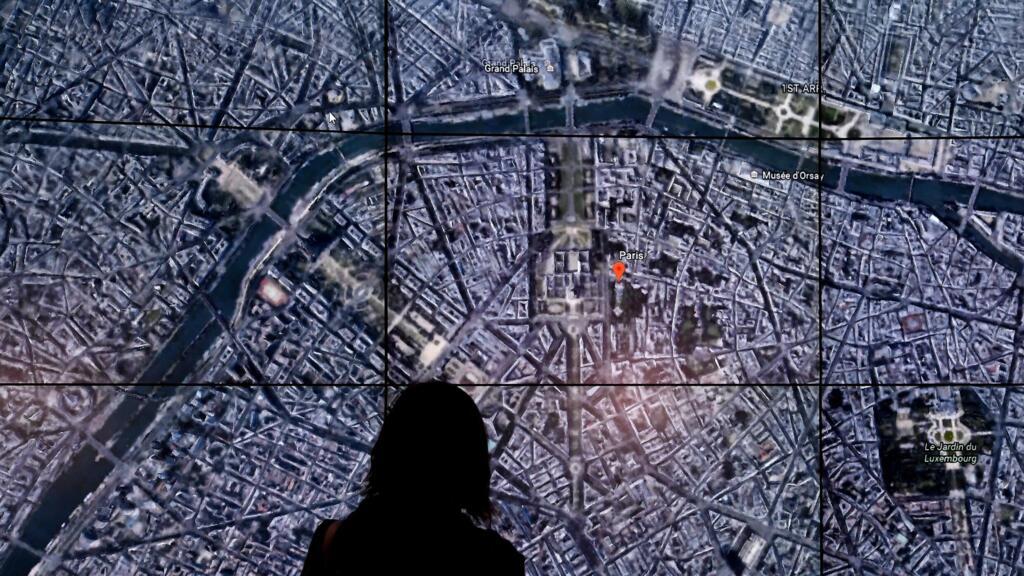
According to BBC News, Google has paused a new Google Earth feature that let users generate fake scenes over real satellite, aerial and 3D imagery, less than 48 hours after announcing its integration of the Nano Banana 2 AI image generator. Google said it was stopping the feature while it implemented “stronger guardrails”.
In a Friday statement, the company said it had seen people sharing screenshots of generated imagery that appeared to violate its policies. The tool allowed text prompts to create false scenarios on a genuine map base, with images available to download and share elsewhere. Google said people “uniquely trust Google Earth for a reliable view of the world”.
BBC Verify tested the feature by creating images including a collapsed Eiffel Tower, a sinkhole swallowing the Great Pyramid of Giza and Russian tanks in Ukraine’s capital. AI and misinformation expert Henk van Ess also created images of a non-existent nuclear power plant in Iran, a refugee camp on the US-Mexico border and a fake hospital in Gaza with a bomb crater beside it.
Van Ess said invented imagery had been “welded to genuine coordinates, drawn on genuine imagery”, warning that a forgery could inherit credibility from the map on which it appeared. Google said AI content made by its tools includes invisible watermarks and can be checked through the Gemini chatbot app or the Lens search feature. BBC Verify found those checks generally worked, but said it was possible to bypass them and prompt Gemini to identify fake Google Earth images as real. External AI detection tools also sometimes failed to flag the material.
Researcher Henry Ajder said fake imagery in conflict zones could be particularly “destabilising” when information is scarce and events move quickly. Bill Greer, a geospatial analyst and co-founder of the non-profit satellite service Common Space, said the change could damage trust because satellite imagery has historically been viewed as especially reliable data. BBC Verify also found that small changes in prompts could bypass some safeguards intended to block harmful imagery.