












Arabic version: تأكيد إصابة دلفين شائع في جنوب أستراليا بفيروس H5N1
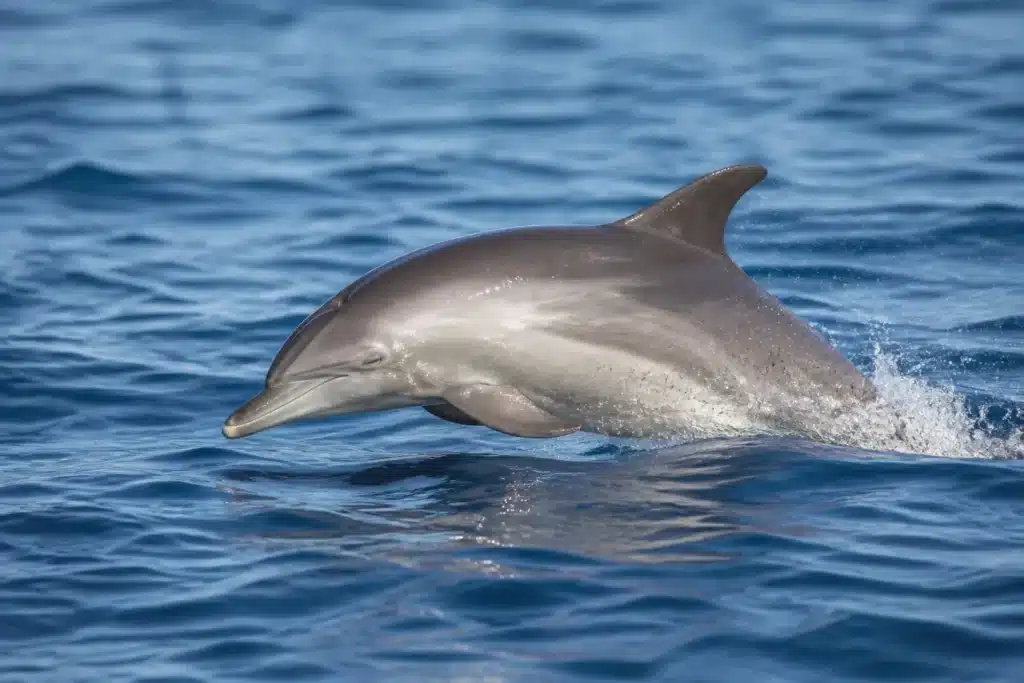
According to The Guardian, a common dolphin found recently deceased near Goolwa on South Australia’s Fleurieu Peninsula tested positive for H5N1 bird flu. The detection marks the second native mammal species known to have contracted the virus in Australia. State samples have been sent to the Australian Centre for Disease Preparedness for further analysis.
The case follows earlier H5N1 detections in long-nosed fur seals at Beachport and the Pages Islands in South Australia, as well as a red fox near Port Adelaide. A federal risk assessment classified common dolphins as being at high risk from bird flu, meaning severe population declines could occur where the virus becomes established. South Australia’s Department of Primary Industries and Regions said overseas evidence showed dolphins and porpoises can catch H5 bird flu.
In Tasmania, authorities are assessing the discovery of about 100 dead little penguins at Stokes Point on the southern tip of King Island. The deaths have been labelled a mass mortality event, but the cause has not been established. The birds could not be tested for H5 bird flu because of their decayed condition, while monitoring of the site will continue.
The federal government will also withdraw 24 expeditioners from the Macquarie Island research station, about 1,500km south-east of Tasmania. Bird flu has not been detected there, but expert assessments predicted a high likelihood of a significant seal mortality event during the coming breeding season. The government cited possible prolonged psychological stress and other workplace impacts for personnel living close to large elephant seal populations. Drone surveys recorded more than 13,000 dead southern elephant seal pups on Heard Island in 2025 and 2026.
South Australia said it would begin confirming H5 bird flu cases through local laboratories after improvements to its testing processes. New South Wales also announced plans to vaccinate wild little penguin populations at Manly and Barunguba Montague Island, while trial groups of captive birds, including little penguins and black cockatoos, received first vaccinations at Taronga zoo.