









Arabic version: موازنة هيلي تُقدَّم كحزمة حذرة من الإجراءات الصغيرة
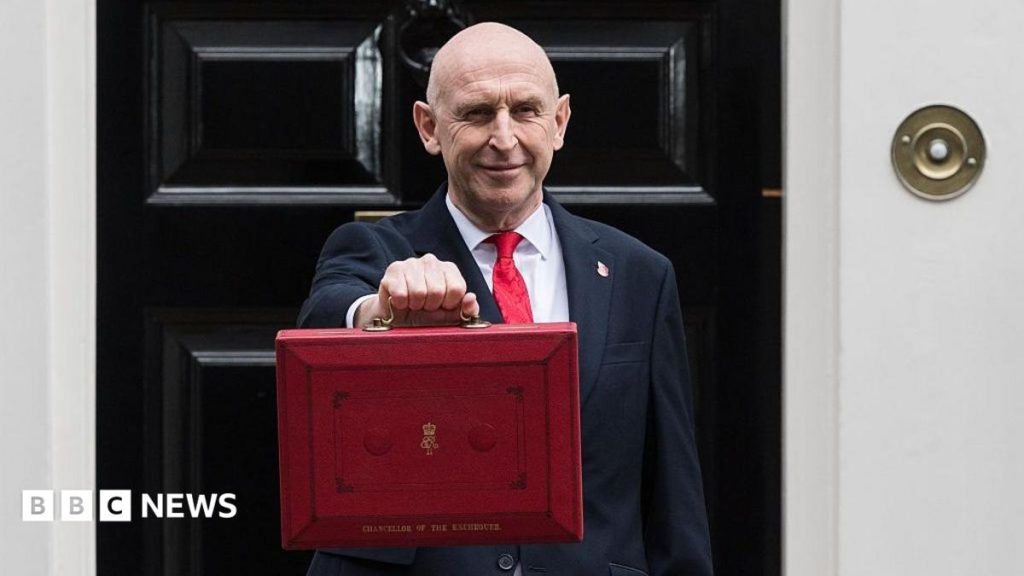
According to BBC News, Chancellor John Healey’s Budget contained a broad range of measures but was cautious in its overall tax and spending impact. Political editor Chris Mason described it as a “flotilla of small measures”, with Westminster examining the 150-page Red Book and the Office for Budget Responsibility’s Economic and Fiscal Outlook.
The Red Book includes 98 measures, a total Mason said was considerably higher than normal and greater than in either of Rachel Reeves’ budgets. However, he said nearly all were small in their effect on Treasury finances. The Budget included higher taxes for savers, landlords and banks, while the government maintained its promise not to raise income tax, national insurance or VAT.
Mason wrote that the public finances and many household finances remain under pressure. The OBR said the UK’s economic and fiscal position remained “very challenging” and cited further adverse developments this year linked to conflict in the Middle East. It said the outlook was uncertain, with significantly better or worse outcomes of broadly equal probability.
The Budget book said the economy was showing signs of resilience, but Mason noted high national debt, tax burdens, inflation and interest rates, alongside the possibility of further economic shocks. Luke Tryl, UK director of More in Common, said the Budget’s tone could land well with the public because it targeted banks, landlords, gambling companies and vape shops while offering cost-of-living support, small-business rate relief and protection from state-pension taxation.
Opposition parties criticised the Budget as thin, while the government argued it formed part of a wider plan from the prime minister and chancellor. Mason concluded that Healey appeared constrained in how much he could do, with the package focused on mitigating difficult conditions rather than delivering world-changing interventions.