










Arabic version: بدء محادثات السلام التاريخية بين الولايات المتحدة وإيران في إسلام آباد
Peace talks between the United States and Iran began in Islamabad, marking the first direct negotiations between the two nations since 1979. The discussions commenced with senior officials from both countries meeting face-to-face, facilitated by Pakistani mediators. According to The Guardian, US Vice President JD Vance is leading the American delegation, while Iran’s team is headed by parliamentary speaker Mohammad Bagher Ghalibaf and foreign minister Abbas Araghchi.
The initial round of discussions lasted approximately two hours, focusing on key issues such as security, finance, and the strategic Strait of Hormuz. Following these talks, a dinner hosted by Pakistani Prime Minister Shehbaz Sharif was planned to foster further dialogue. Earlier, Iranian negotiators had outlined their demands, including a ceasefire in Lebanon and the unblocking of frozen assets, while US officials expressed caution against being manipulated by a weakened Tehran.
In a notable shift from previous negotiations, where teams operated separately, the current talks feature both delegations sitting at the same table. This change is seen as a significant step towards potential reconciliation. Pakistani sources have expressed optimism about the discussions, noting that both sides have come with full authority from their respective capitals and are willing to engage constructively.
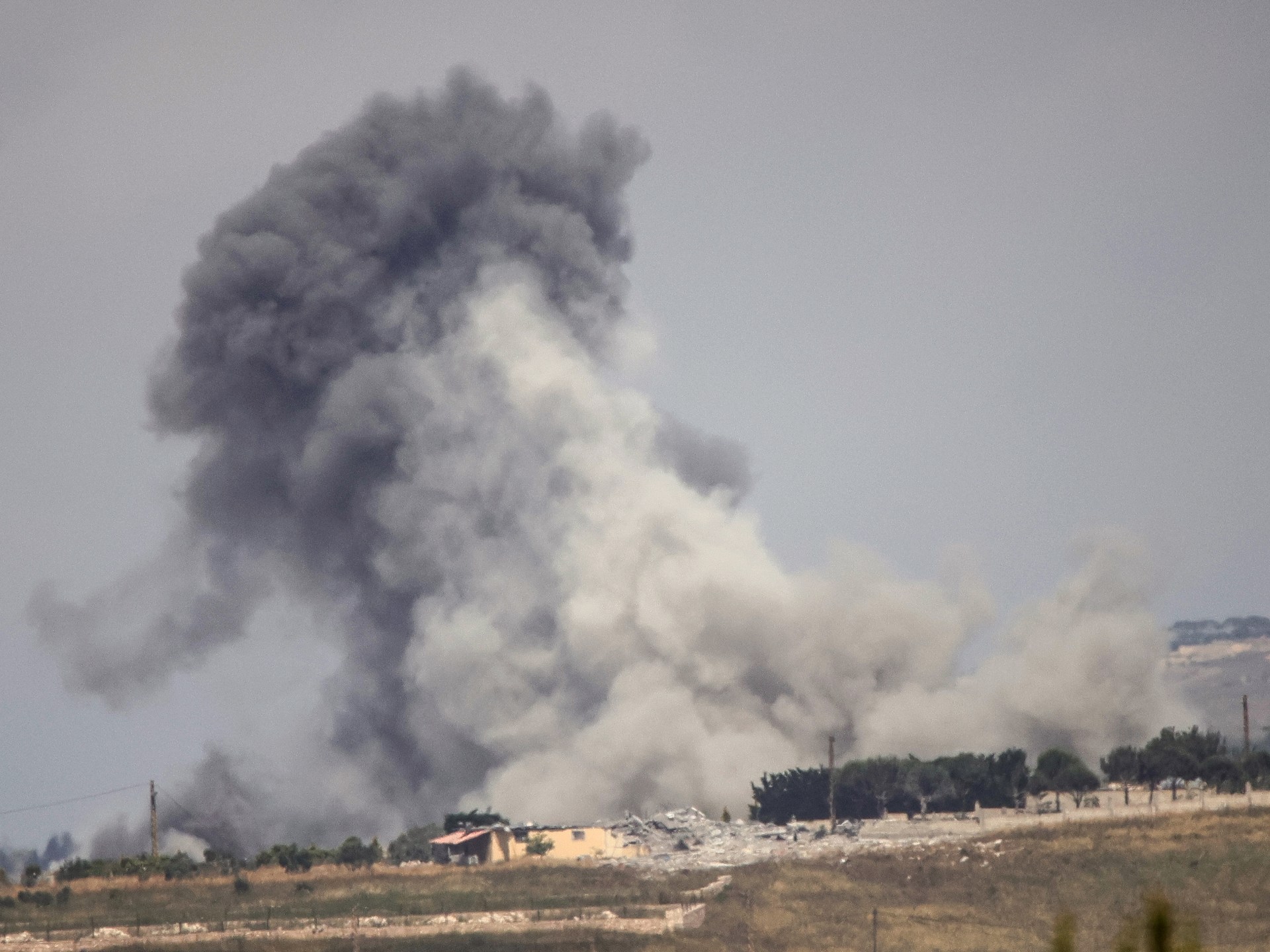
Despite the positive atmosphere, the backdrop of ongoing conflict in Lebanon complicates the negotiations. Israeli military actions have intensified, with recent bombings resulting in casualties and displacements. The situation has led to increased tensions within Lebanon, where Hezbollah’s involvement in the conflict has raised questions about the government’s stance on negotiations with Israel. The outcome of the Islamabad talks remains uncertain as both nations navigate a complex geopolitical landscape.