











Arabic version: تعافي تدفقات النفط عبر هرمز مع مواجهة إيران ضغوطاً اقتصادية
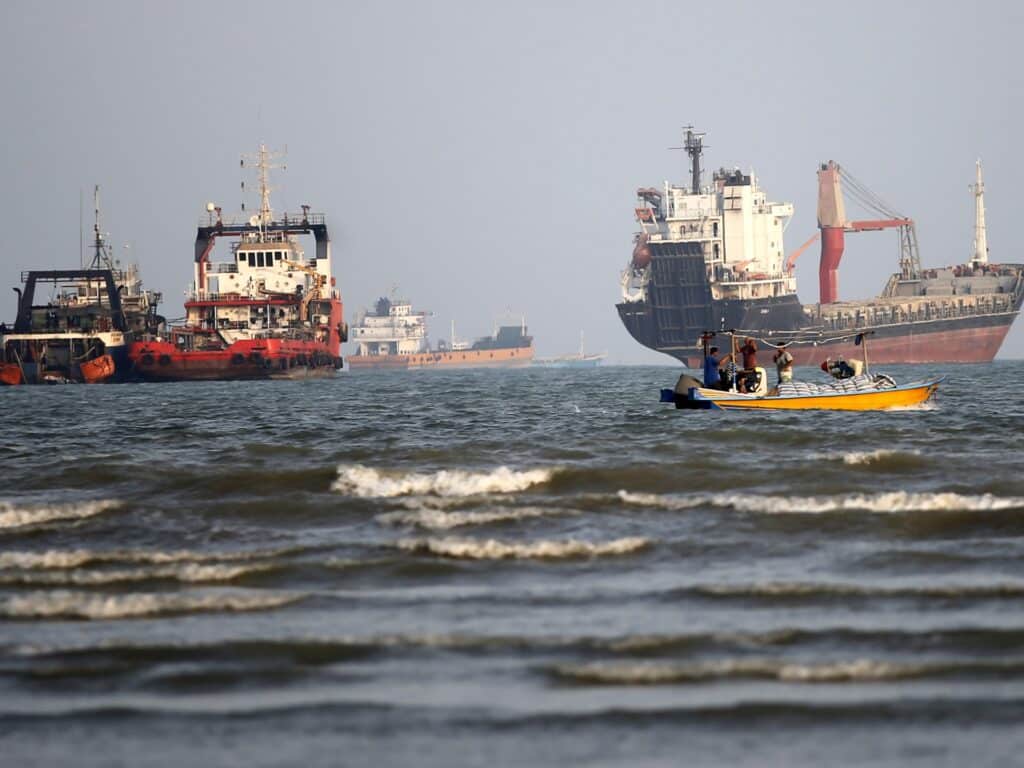
According to Al Jazeera, oil and petroleum traffic through the Strait of Hormuz has steadily increased as Iran and the United States work through mediators to end seven months of hostilities. Some estimates place flows at nearly 80 percent of their level before the US-Israeli war on Iran began on February 28.
Commodity analytics firm Kpler estimated Middle East crude exports at 16.328 million barrels per day in September, the highest level since the conflict began. Flows through Hormuz were expected to reach about 9.719 million bpd. Saudi exports rose from 2.446 million bpd in August to about 5.4 million bpd in September, though regional exports remained about 3.2 million bpd below February’s 19.513 million bpd.
The recovery could weaken Tehran’s ability to use disruption of the waterway as leverage against US military and economic pressure. But Susannah Streeter, chief investment strategist at Wealth Club, said flows were not yet considered fully secure or guaranteed while the wider conflict remained unresolved. Tanker insurance costs remain elevated, and refined-fuel flows, including diesel and gasoline, are still constrained.
Iran’s economic strain has intensified under the US blockade of Iranian ships and ports. Official data showed gross domestic product contracted 10.1 percent year on year between March 21 and June 20, while the oil and gas sector shrank 26.4 percent. Twelve-month average inflation reached 69.9 percent earlier in September, and the rial fell beyond 2.2 million to the US dollar in early September.
Indirect talks between Tehran and Washington continued at the United Nations General Assembly last week, when US special envoys Steve Witkoff and Jared Kushner met Iranian Foreign Minister Abbas Araghchi. Iran proposed a seven-day roadmap to reopen the strait if Washington ended the naval blockade, eased sanctions and released frozen Iranian funds. Reuters reported on Wednesday that the main dispute concerned the sequencing of measures rather than the plan’s components.