








Reading in English | Read in العربية (Arabic)
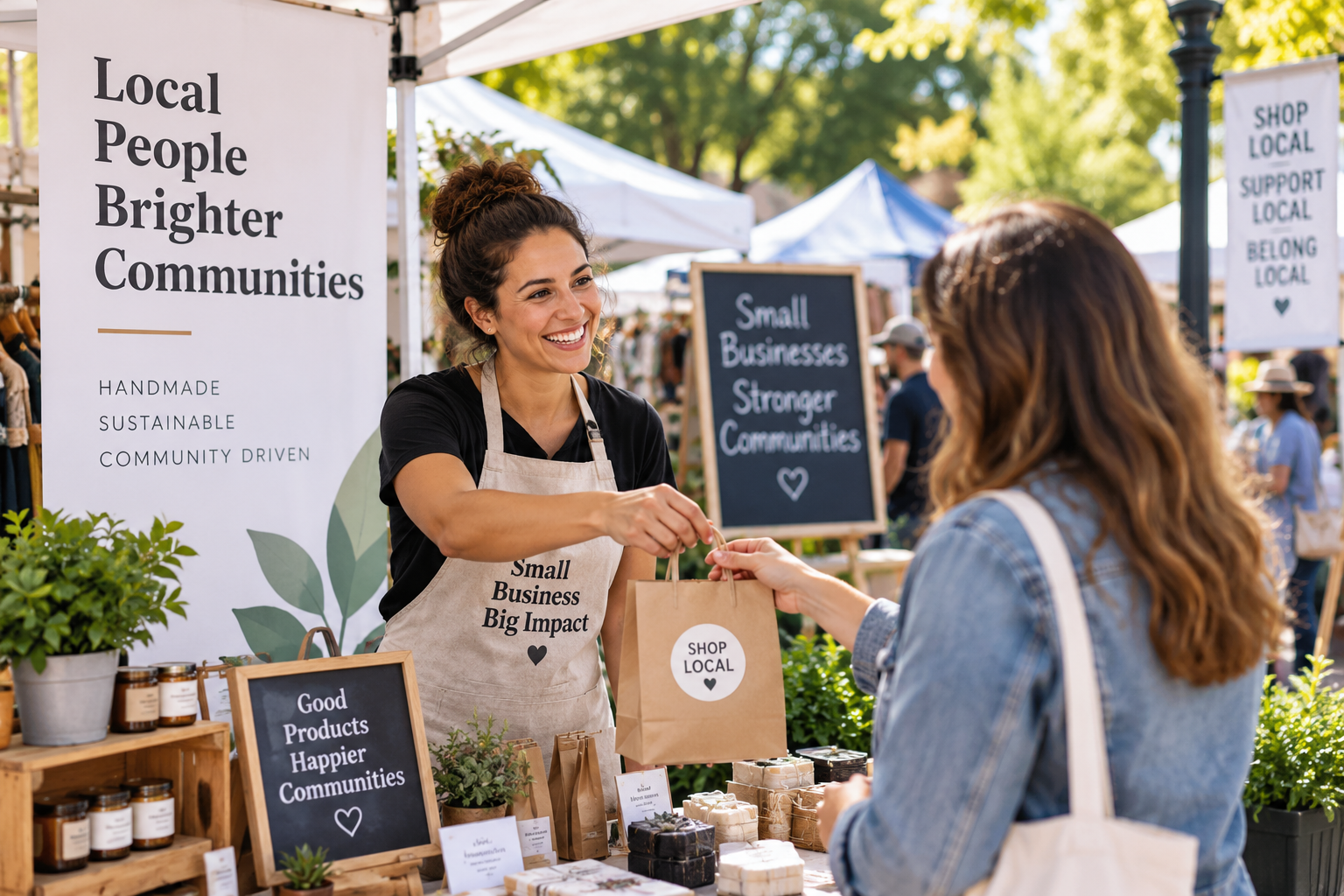
For local business owners and startup founders doing small business marketing on a tight budget, local events and fairs can be the fastest way to earn real attention. The challenge is that a busy pop-up shop floor is noisy, and even strong products get overlooked when the booth, message, and customer engagement blend into everything else. That tension leaves many teams with long days and short results, few meaningful conversations, fewer leads, and weak follow-up. With the right approach, pop-up shop strategies can turn quick passersby into people who recognize the brand and want to hear more. Brand awareness for startups starts when the business is memorable in the room.
Quick Summary: Stand Out at Local Events
- Build a strong booth presentation that clearly communicates who you are and what you offer.
- Use visual appeal to catch attention fast and make your space easy to scan.
- Use interactive marketing tactics that invite participation and create memorable moments.
- Use practical engagement strategies to turn quick conversations into real leads and follow-ups.
Design Event Visuals That Look Custom (Without a Design Team)
Once you’ve got the core moves that draw people in, your visuals are what keep you from blending into a row of similar booths. At fairs and pop-ups, fresh, unique visuals signal that your business is active, intentional, and worth a closer look, especially when nearby competitors rely on the same familiar stock photos and generic signage. Distinctive imagery also makes your branding feel consistent across your booth sign, flyers, and social promos, which can lift trust because people recognize you faster and feel like they’re dealing with a real, put-together business.
A practical shortcut is using a text-to-image tool that creates custom images from written prompts. With an AI image creator, you can describe the exact style, scene, or branded concept you want, then generate multiple variations quickly to test different looks until one feels like “you.” That flexibility helps you stay on-brand without depending on off-the-shelf visuals or hiring a designer every time you need something new.
Set Up a High-Impact Event Booth That Converts
This process helps you turn your branding into a simple event-day system: prepare the right materials, set up a booth that guides attention, and talk to visitors in a way that leads to sales or follow-ups. It matters because most people decide quickly whether to stop, and you only get a few seconds to make the experience feel clear and worth it.
- Choose one goal for this event
Start by writing one primary outcome such as book appointments, sell a specific product, or collect leads for a launch. The purpose of event you choose becomes your filter for every decision that follows, from signage wording to what you hand out. - Build a short prep checklist and timeline
List what must be ready: inventory, pricing, signs, payment setup, samples, a lead capture method, and a small repair kit. Aim to start outreach and prep early because eight to twelve weeks is a common cadence for best-performing programs, while many teams begin too late to build momentum. - Design your booth layout like a guided path
Place your biggest visual and main offer at eye level, then create a clear “stop spot” where one person can stand without blocking others. Keep the front open, put your demo or best-seller slightly to the side to draw people in, and reserve one corner for quick checkout and bagging. - Use a simple interaction script and a fast demo
Open with one friendly question that fits your goal, then give a 20 to 40 second explanation that ends with a choice: buy now, try a sample, or leave contact info for a perk. Mirror what they say back in plain words, and keep your close specific, like “Want the event-only bundle or the single item?” - Run one promotion that rewards immediate action
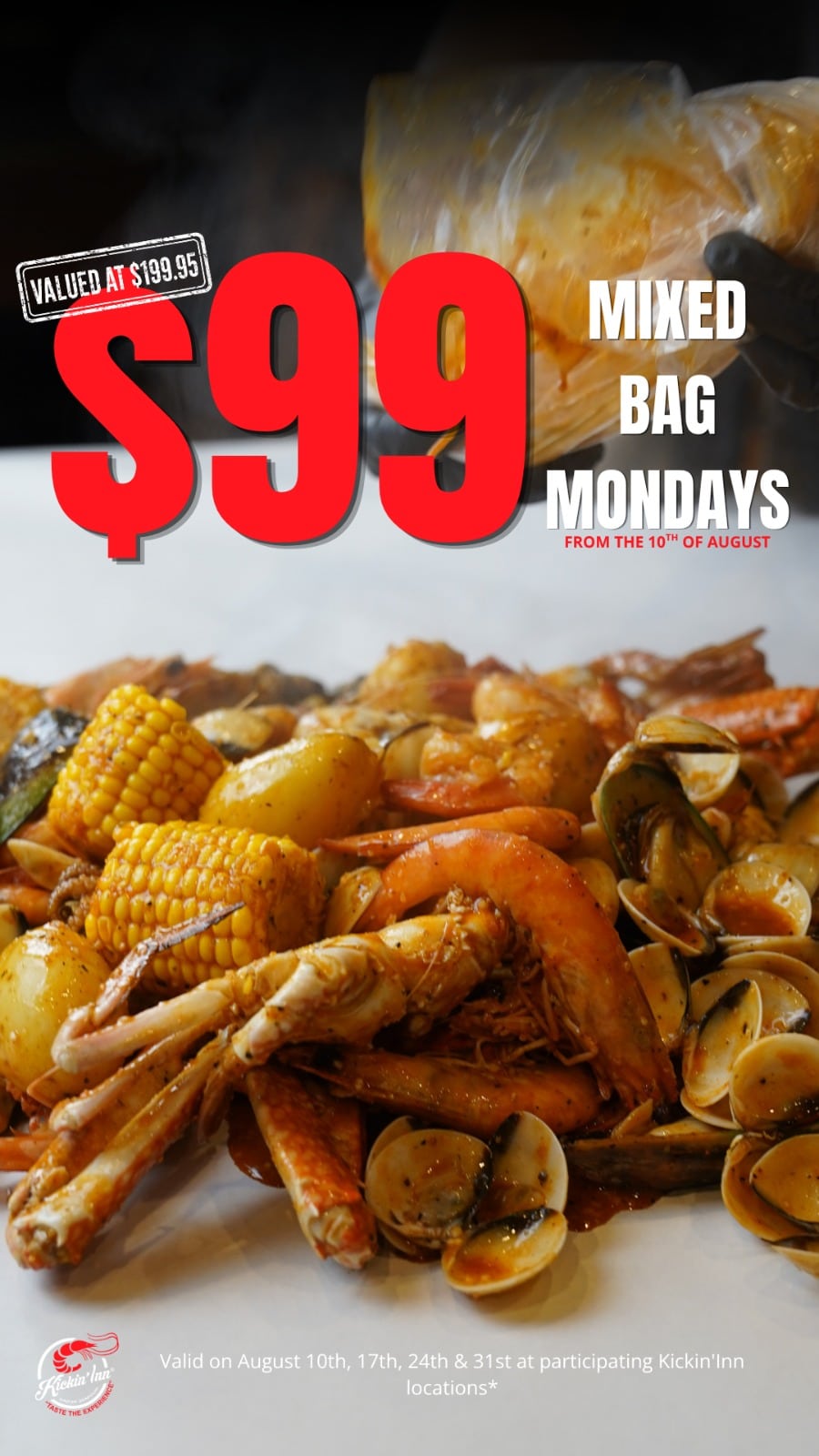
Choose a single offer that is easy to understand from three feet away, such as a limited-time bundle, a free add-on for sign-ups, or a small discount for same-day purchase. Tell every visitor the same benefit and the same next step so your booth feels consistent, confident, and easy to say yes to.
Event-Day Readiness Checklist to Win Locally
To stay organized on-site: This quick event readiness checklist helps you avoid last-minute scrambles and show up looking polished. Use it to prioritize tasks, pack the right materials and equipment, and run setup and teardown smoothly.
✔ Confirm your one event goal and success metric
✔ Print clear signage, menus, and pricing with one main offer
✔ Pack marketing collateral: cards, flyers, samples, and QR lead form
✔ Test payment tools, receipt flow, and backup power
✔ Prepare a tidy booth kit: tape, scissors, pens, bags, wipes
✔ Set a simple booth map for traffic, demo, and checkout
✔ Schedule setup and teardown steps with assigned roles
Check these off, then focus on people and conversations.
Turn Each Local Event Into Repeatable Growth Momentum
Local events can feel like a lot of work for uncertain payoff, especially when the day is over and you’re too busy to follow up. The real edge comes from treating every pop-up as a repeatable process: plan with intention, execute with consistency, then do a quick post-event reflection to capture what worked and what didn’t. When you focus on applying event learnings, you’ll tighten your setup, strengthen building customer relationships, and spot small business growth opportunities you can repeat. Review the results, keep what worked, and improve one thing next time.