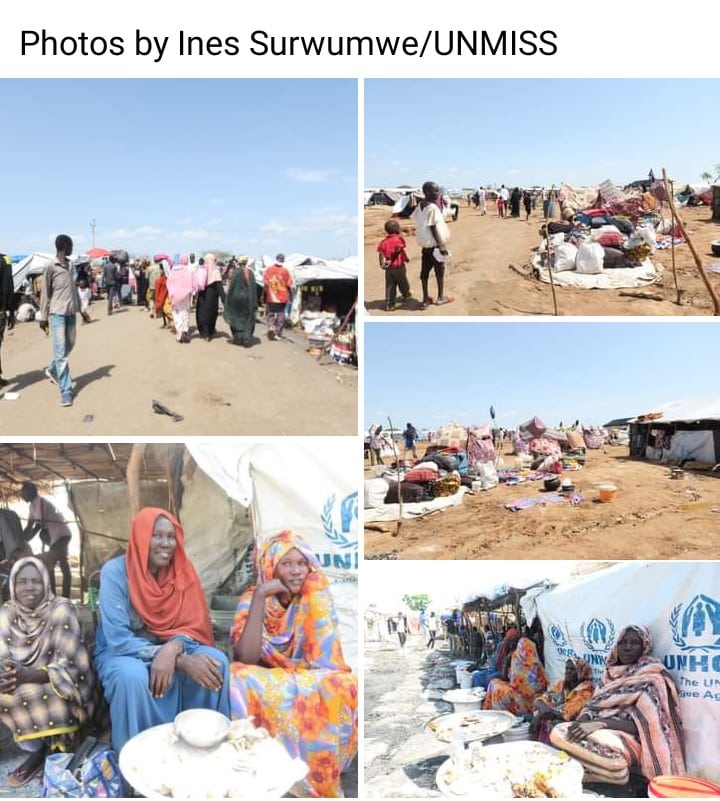













The United Nations Mission in South Sudan (UNMISS) has reported that an estimated tens of thousands of Sudanese individuals have crossed into neighboring South Sudan. The United Nations organization operating in South Sudan has issued a statement regarding the ongoing conflict in Sudan. They have expressed concerns that the continued hostilities could lead to a severe and widespread famine in the region, particularly impacting countries that share a border with Sudan.
The statement further approximated that since the conflict’s inception on April 15th, more than tens of thousands of citizens from both Sudan and South Sudan have sought refuge in neighboring countries. The majority of these returnees are South Sudanese who were compelled to leave due to the escalating conflict. The conflict arose from the disagreement between two influential generals, General Burhan and his deputy General Hemedit, over military integration and security arrangements. Their failure to reach an agreement has contributed to the dire situation.
The United Nations Mission, as communicated through their official Twitter handle, has expressed deep concern about the ongoing fighting in Sudan. They emphasize the need to halt the conflict to safeguard the lives of refugees and returnees in South Sudan. This concern is particularly pronounced in light of the economic challenges that South Sudan has been grappling with over the past decade, stemming from the conflict that began in 2013.
In May, South Sudan’s Minister of Humanitarian Affairs stated that the government does not intend to establish refugee settlements in the Northern Upper Nile state. Instead, the government’s policy involves transporting citizens from conflict-affected areas to their respective states across the country’s ten regions. This policy was swiftly enacted with the collaboration of the Catholic Church leadership, who facilitated the transportation of a substantial number of South Sudanese returnees to their places of origin using riverboat transportation.