












Arabic version: تراجع مشاهدات الحيتان الحدباء على طول ساحل أستراليا الغربية
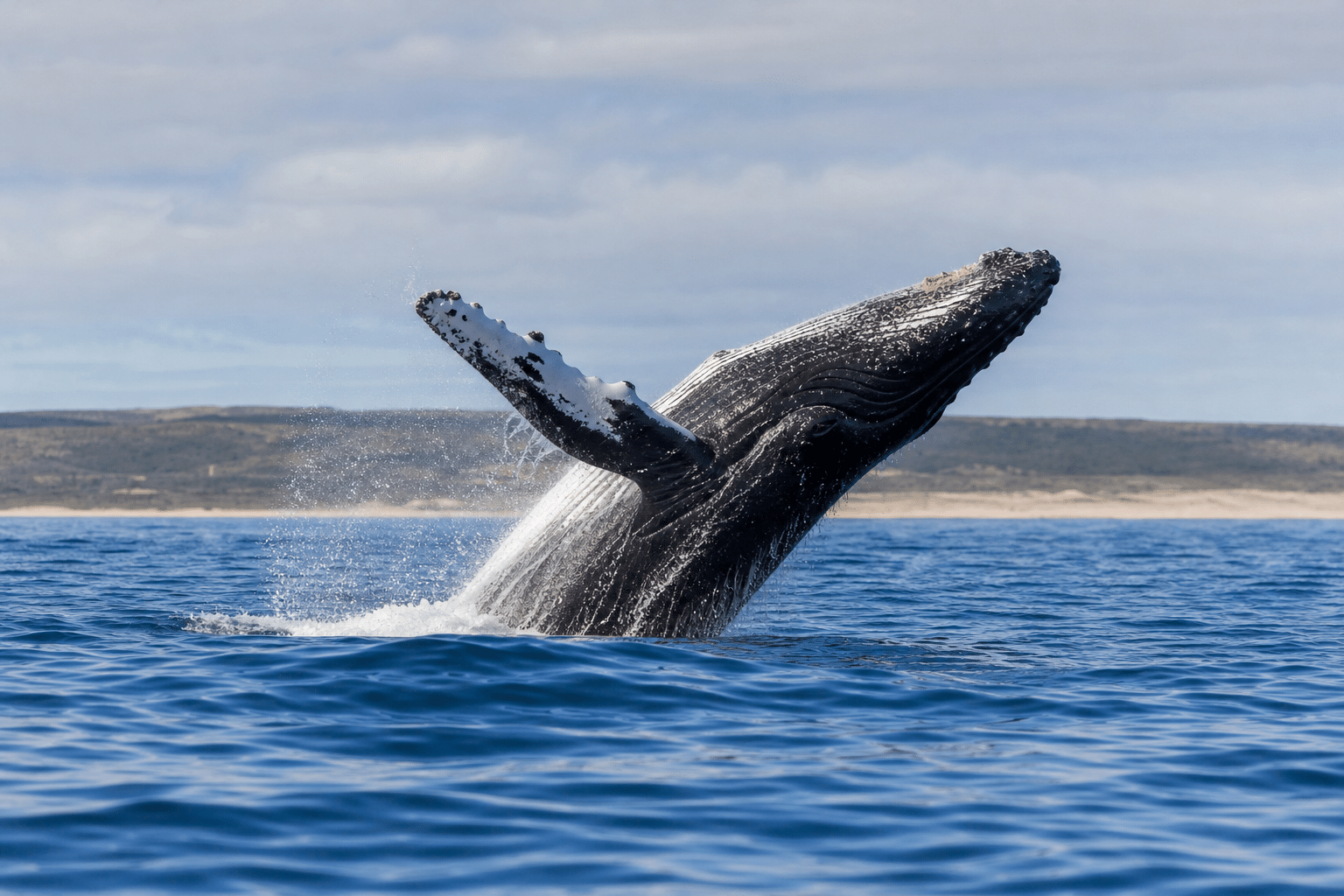
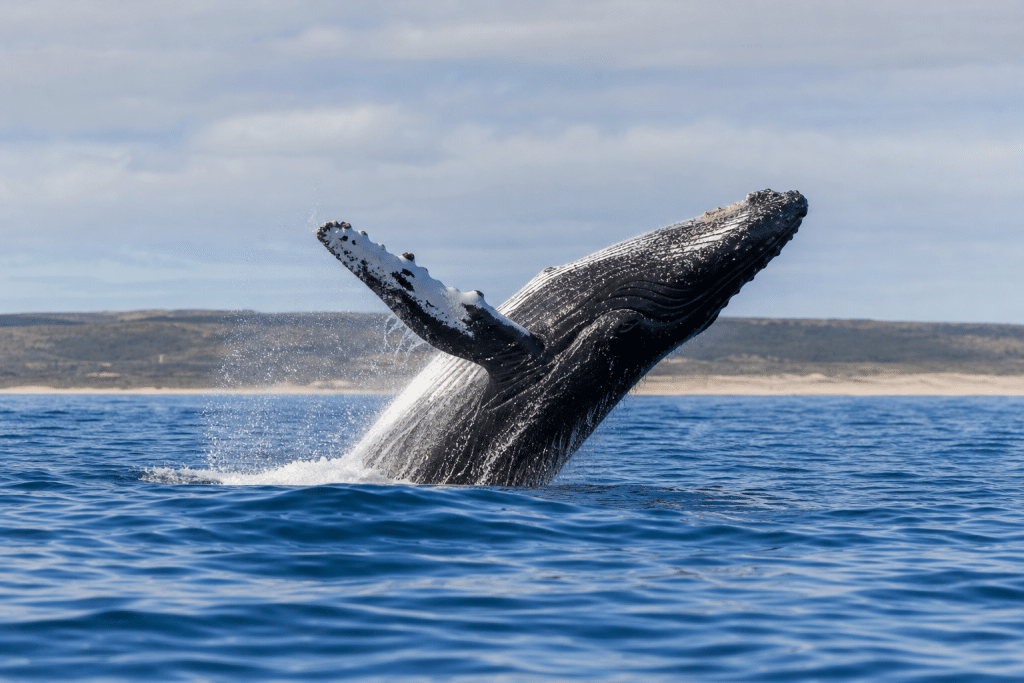
According to ABC News, observable humpback whale numbers travelling from the Southern Ocean to Western Australia’s northern waters fell by 60 per cent this year. Researchers said the decline during the annual migration reflects a developing trend across the Southern Hemisphere.
Whale researchers and watchers reported fewer calves, along with more strandings and entanglements on the state’s coastline. Mothers with calves were scarce on the southern migration after birthing off the north Kimberley. Geographe Marine Research team leader Capri Jolliffe called it “an odd year” for humpbacks, while marine scientist Olaf Meynecke described the season as “strange”.
Dr Meynecke, a Griffith University researcher, said earlier sea-ice melts could mean whales spend less time in their feeding grounds. He also pointed to lower food supplies linked to changing krill populations and phytoplankton blooms. Some mothers appeared thin, with depleted fat reserves that are important for producing enough milk for calves, he said.
Broome whale watcher Cameron Birch said his tours had travelled nearly twice as far from the coast, about 10 or 12 nautical miles offshore, to find whales. Instead of encountering 10 or 15 whales a day, tours might see only two or three. However, he said the lower numbers were not yet cause for alarm, citing cyclic seasons over the past 25 years.
Dr Meynecke said entanglements had risen to 60 across Australia this year, a 20 per cent increase, and warned that more cases may go unreported. He said continued research and greater global sharing of whale and marine-environment research were vital, describing humpbacks as a bellwether for other large whale populations.