













Reading in English | Read in العربية (Arabic)
In light of the rapid economic progress occurring globally and the increasing pace of digital transformation, there has been significant growth in the fields of international arbitration and mediation. These areas are closely linked to foreign investment, whether direct or indirect. Countries worldwide are competing to attract these investments, particularly in our emerging Arab economies, which urgently need to create an appealing environment for investments from all corners of the globe.
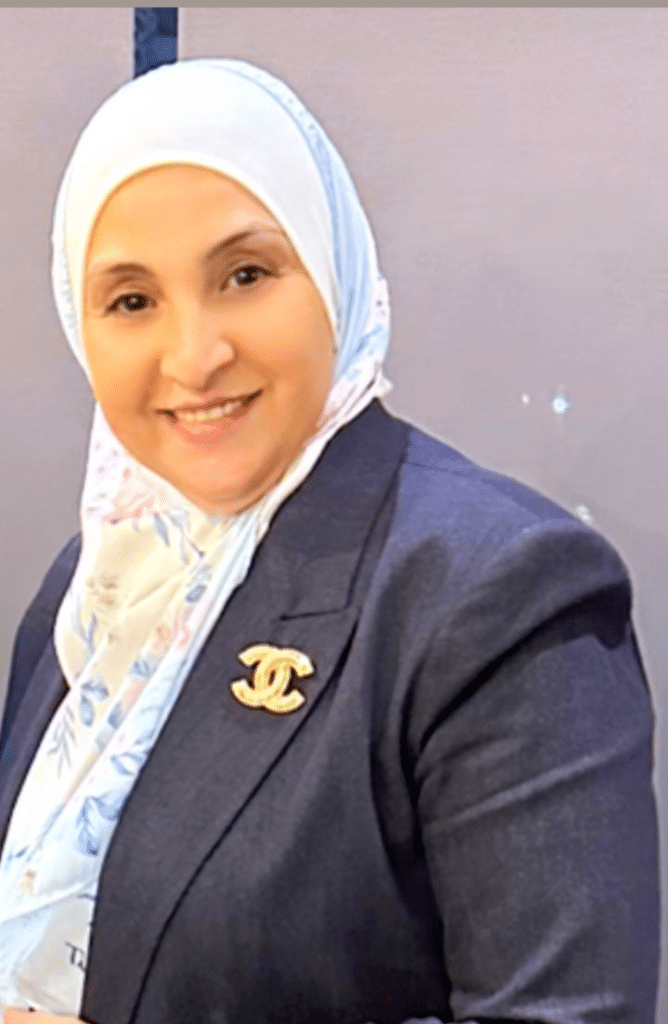
With these thoughts, Dr. Rania Mohammed Marwan Spano, a professor of international law and an internationally accredited arbitrator at the Kemet Center for International Arbitration, along with being the founder and president of the Arab and Syrian Women’s Leadership in Britain, began her press statements this Wednesday evening. She noted that this reflects an institutional shift towards establishing mechanisms for alternative justice. Given the increasing importance of integration between the legal framework and vital sectors, Ain Shams University hosted a conference on law and energy in collaboration with the Kemet Center for International Arbitration. This event was attended by a distinguished group of experts and specialists in the fields of law, arbitration, and energy.
Dr. Spano further mentioned in her press statements in Cairo that the conference events were characterized by rich and extensive legal knowledge and information, due to the broad participation of experts, legal professionals, and international arbitrators. The opening session notably honored Dr. Majid Al-Sharbin, Vice Chairman of the Kemet Center’s Board of Trustees, in recognition of his valuable contributions to developing the international arbitration system and enhancing the efficiency of modern legal tools, aligning with international standards and meeting the requirements of the contemporary investment environment.
Dr. Rania Mohammed Marwan Spano, an accredited arbitrator at the Kemet Center for International Arbitration and founder and president of the Arab and Syrian Women’s Leadership in Britain, affirmed that this conference serves as a robust scientific platform to redefine the relationship between law and the energy sectors, in light of the accelerating challenges posed by global economic transformations. She pointed out that arbitration and mediation have evolved from mere procedural alternatives to strategic legal tools with institutional characteristics that help achieve a precise balance between the speed of dispute resolution and the guarantees of justice.
Additionally, Dr. Spano emphasized in her press statements that the scientific discussions underscored the necessity of adopting flexible legislative policies that support the promotion of a culture of arbitration and mediation. This approach would alleviate pressures on traditional courts and enhance the efficiency of the dispute resolution system, especially in sectors with complex technical natures, such as energy.
Dr. Rania Spano concluded her press statements by asserting that activating arbitration and mediation mechanisms is a fundamental pillar in building an attractive legal environment for investment, capable of achieving institutional stability. She stressed the importance of removing legislative and procedural obstacles that hinder the spread of these mechanisms in Arab countries, ensuring effective integration into the international legal development system.


