













Arabic version: إيران تعتقل سياسيين إصلاحيين بارزين ينتقدون الحكومة
In a significant escalation of the ongoing crackdown on dissent, Iranian authorities have arrested several prominent reformist politicians who have been vocal critics of the government. This move comes amid increasing tensions in the country, as protests over economic mismanagement and political repression continue to unfold.
The arrests, which took place earlier this week, include notable figures from the reformist camp, known for their advocacy for political and social change in Iran. These politicians have been instrumental in calling for greater freedoms and reforms within the framework of the Islamic Republic. Their detainment is seen as a direct response to the growing discontent among the populace and a warning to others who may consider speaking out against the regime.
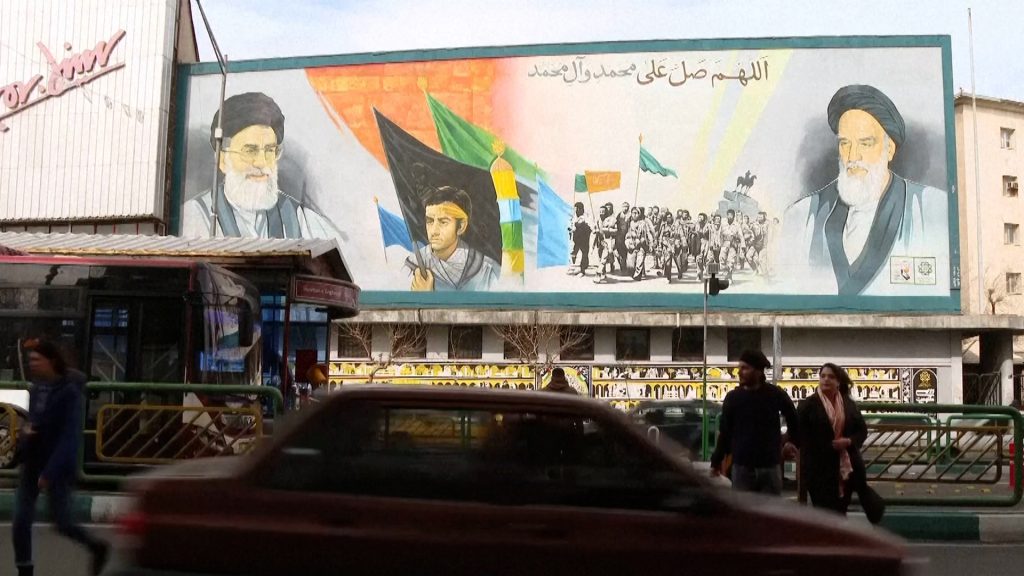
Witnesses reported heavy security presence in Tehran, where the arrests took place, signaling the government’s determination to stifle any form of dissent. Activists and supporters of the detained politicians have expressed outrage, decrying the arrests as politically motivated and part of a broader strategy to silence opposition voices.
Human rights organizations have condemned the Iranian government’s actions, calling for the immediate release of the detained politicians and an end to the crackdown on free expression. They argue that such actions violate international norms and the rights of individuals to participate in political discourse.
The Iranian government has long faced criticism for its treatment of dissenters, with many activists and reformists facing harassment, imprisonment, or worse. The recent arrests have intensified fears that the regime is reverting to more repressive tactics in the face of mounting public frustration over issues such as inflation, unemployment, and the handling of the COVID-19 pandemic.
In the past, reformist politicians have played a crucial role in Iran’s political landscape, often serving as a bridge between the government and the citizenry. However, as the political climate becomes increasingly hostile, their ability to effect change appears to be diminishing. Many observers worry that the ongoing repression will further alienate citizens and lead to greater unrest.
As the situation develops, the international community is closely monitoring Iran’s actions. Calls for accountability and support for the Iranian people’s quest for freedom and democracy are growing louder, with many urging foreign governments to take a stand against the oppressive measures employed by Tehran.
The fate of the detained politicians remains uncertain, but their arrests underscore the precarious position of reformist movements within Iran. As the country grapples with both internal and external challenges, the struggle for political reform and human rights continues to be a defining issue for its future.